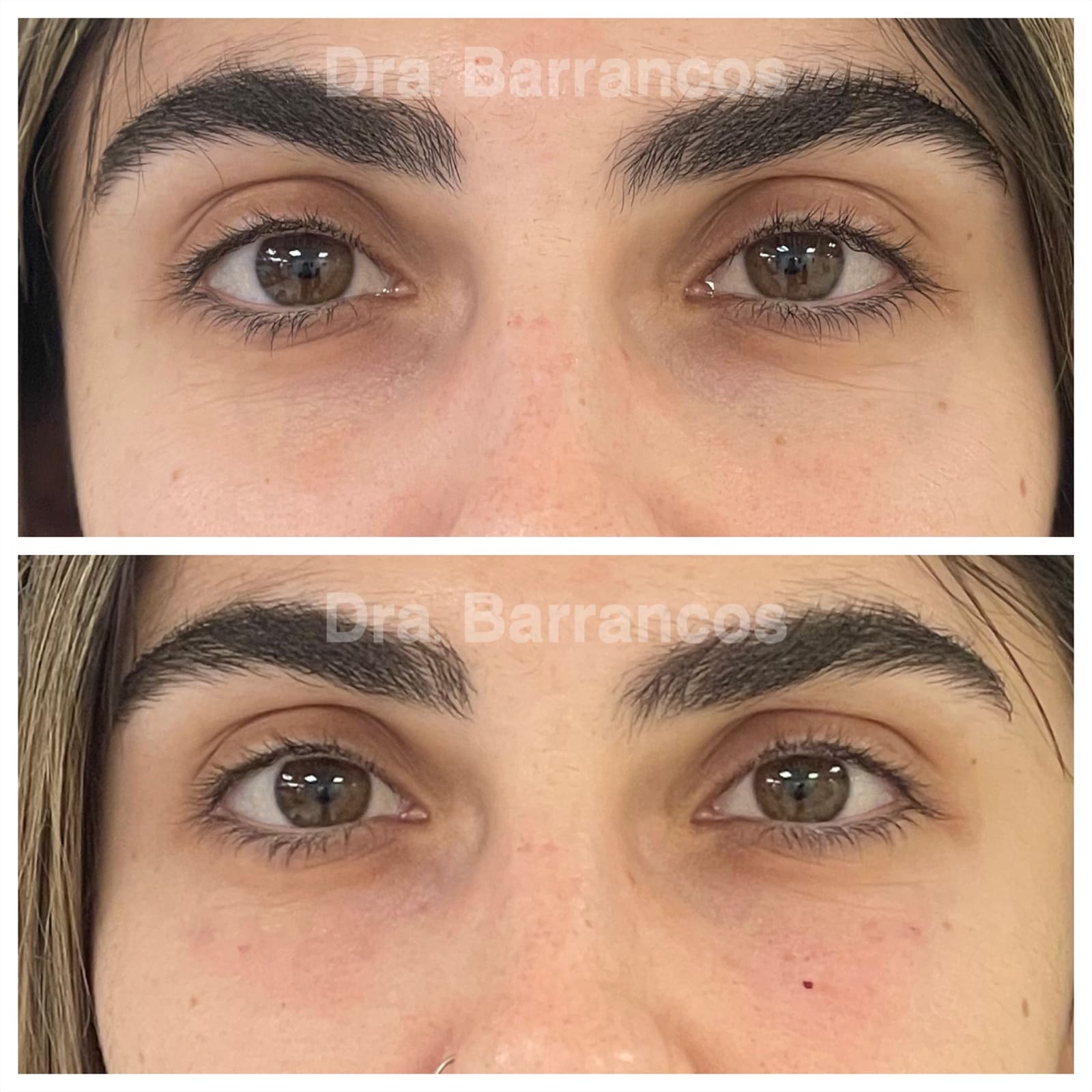
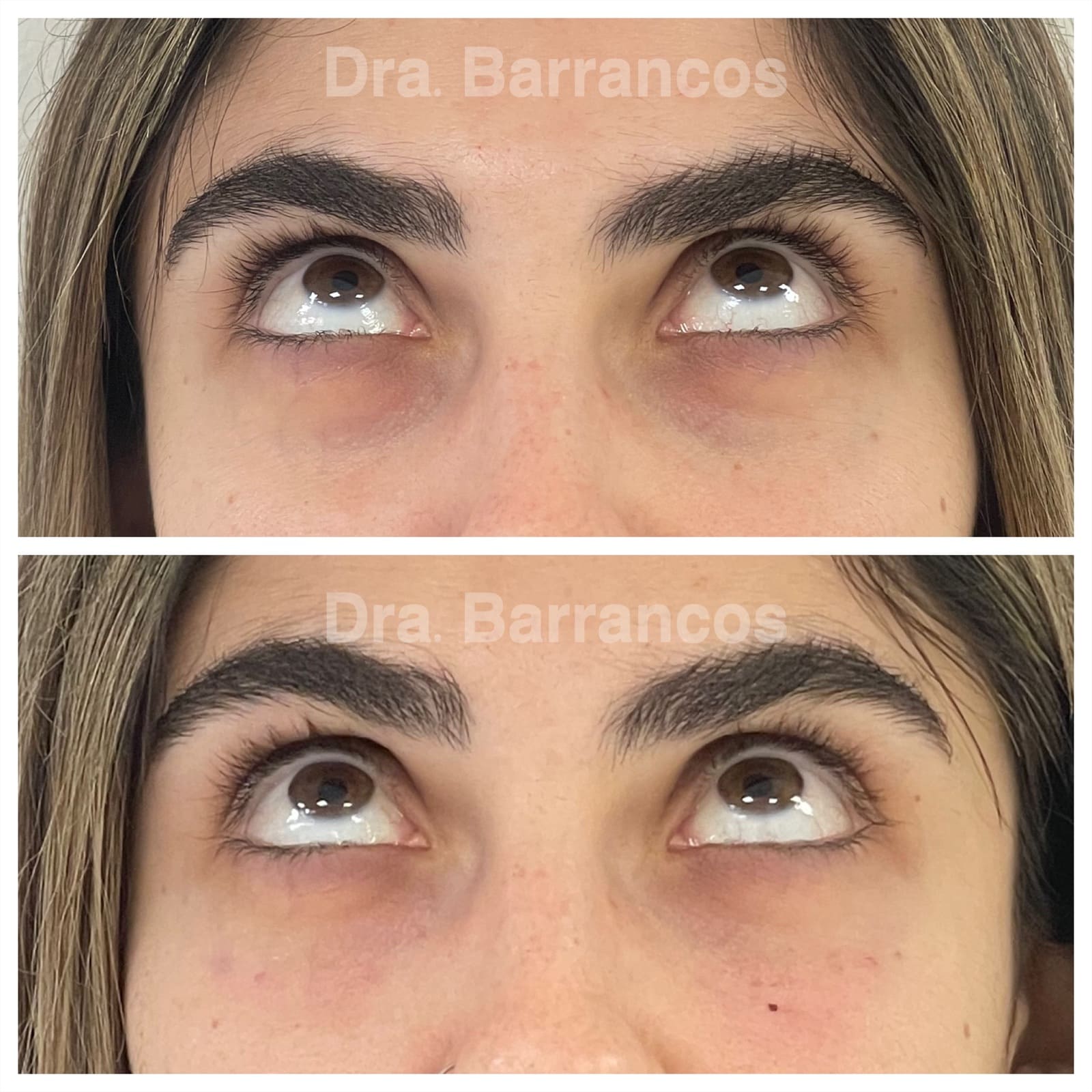
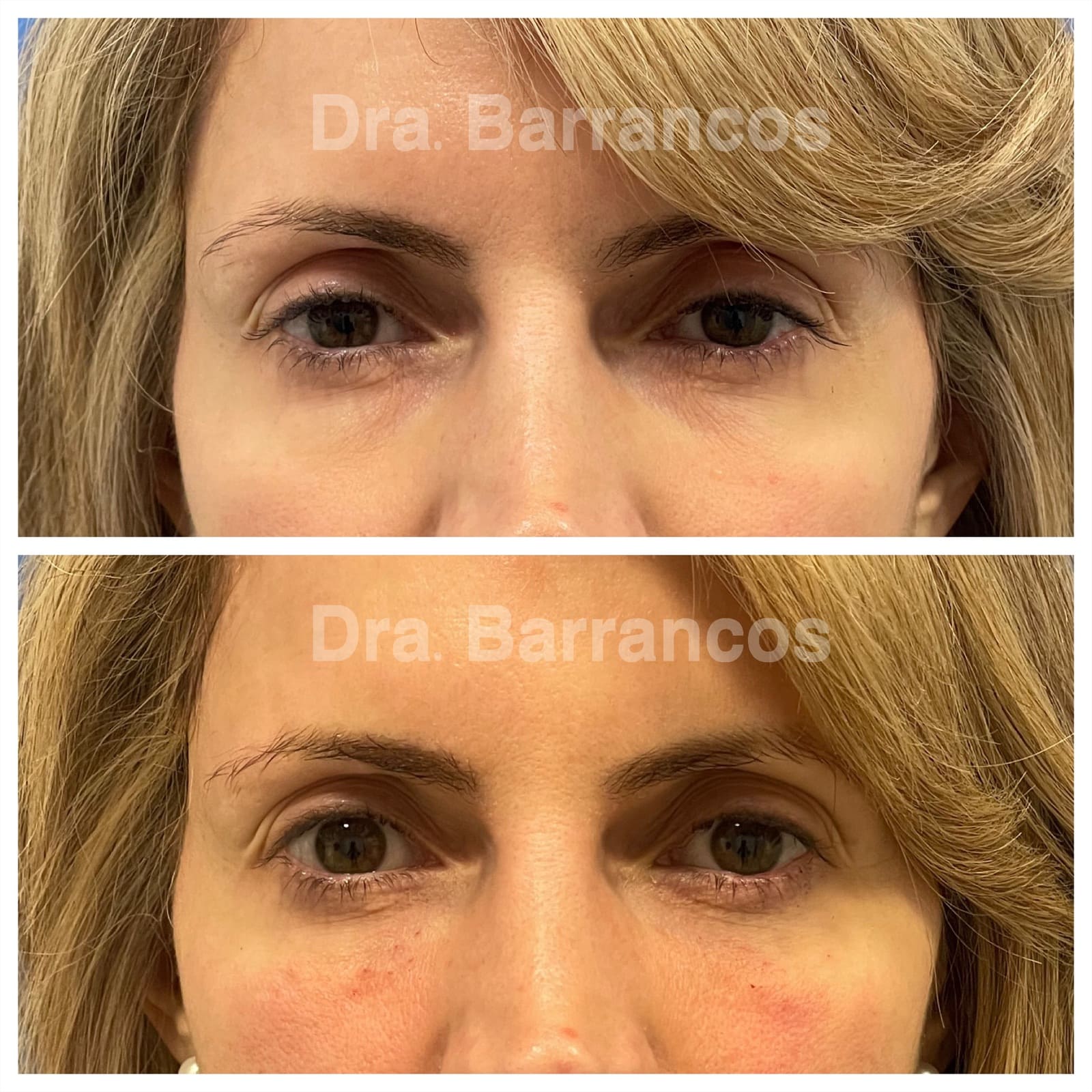
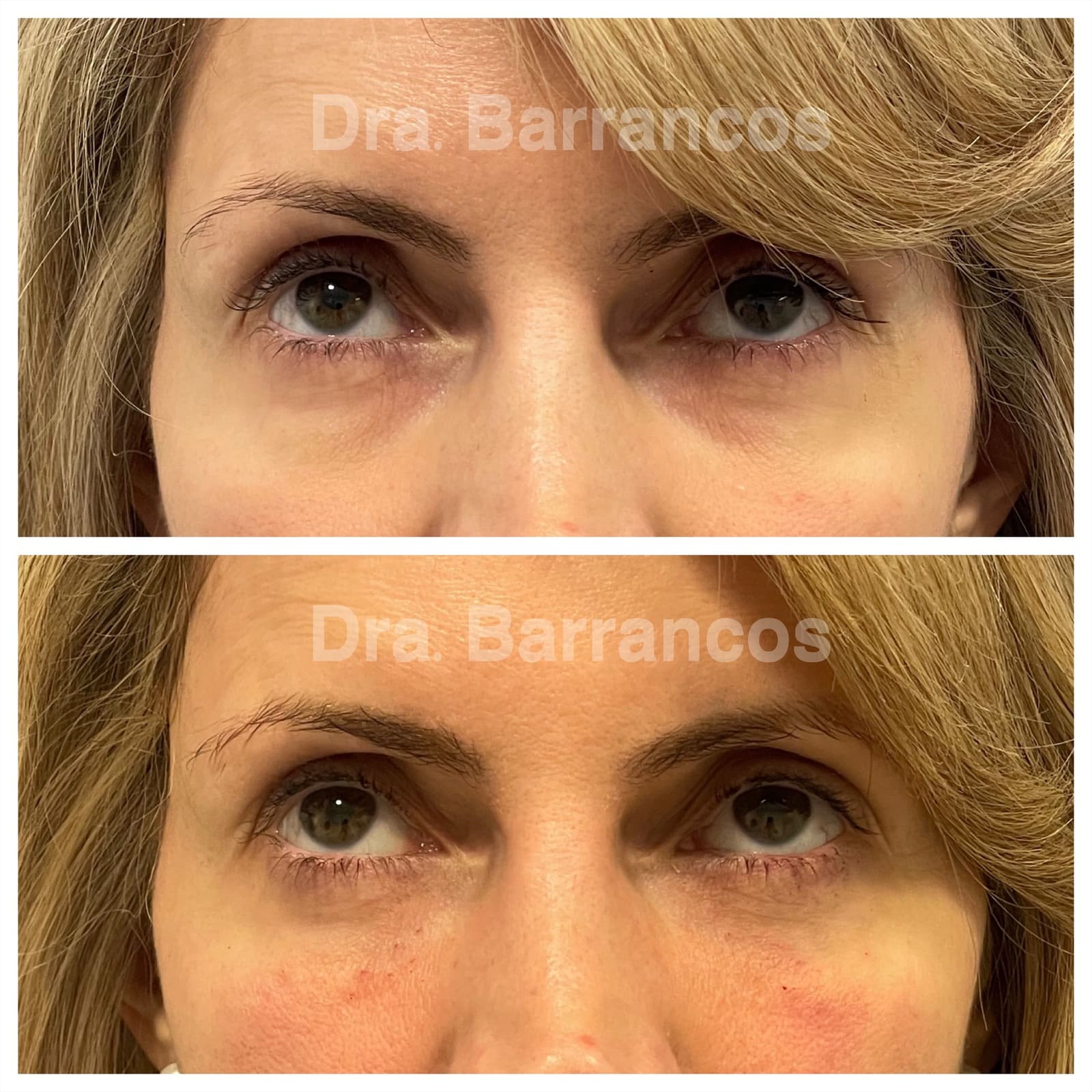
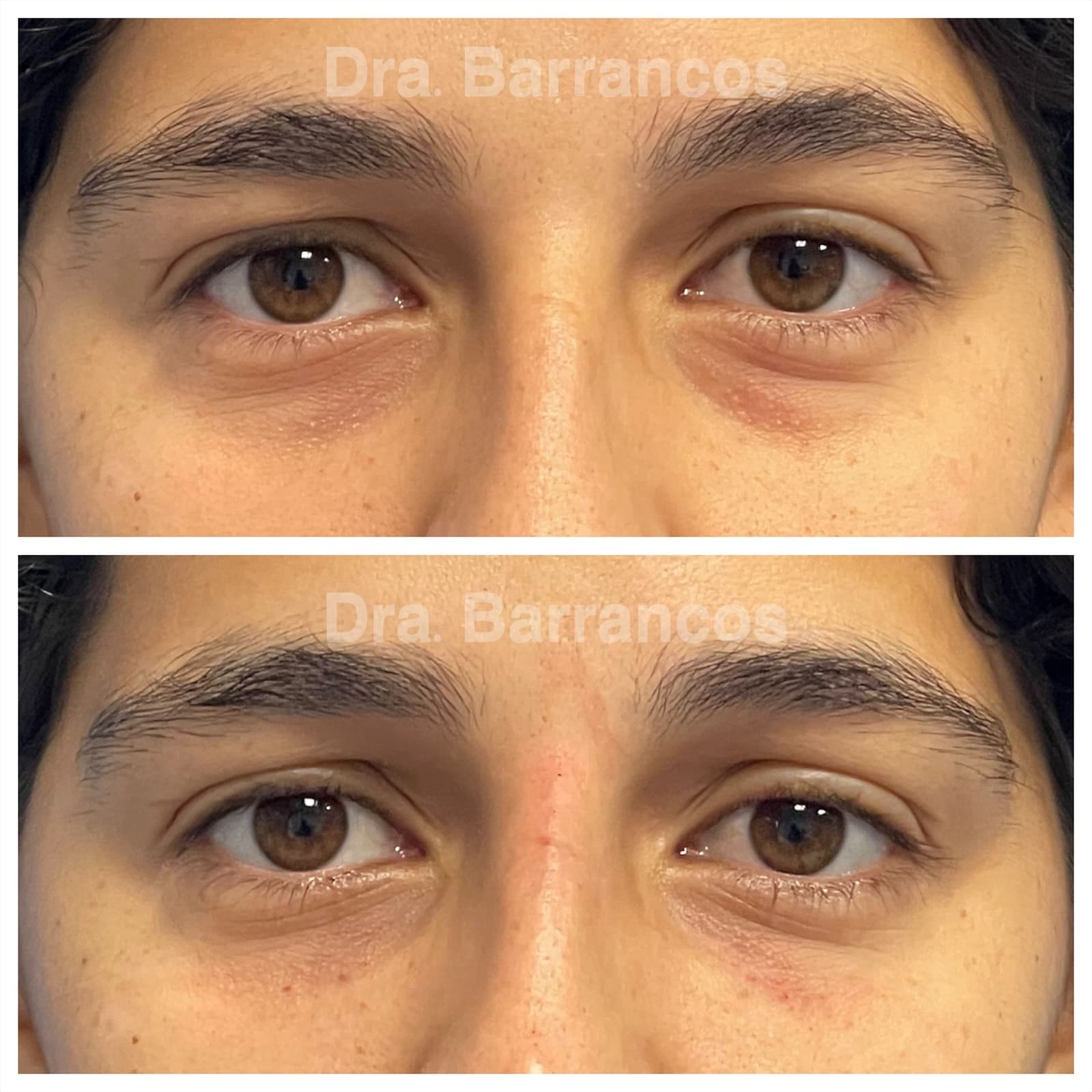
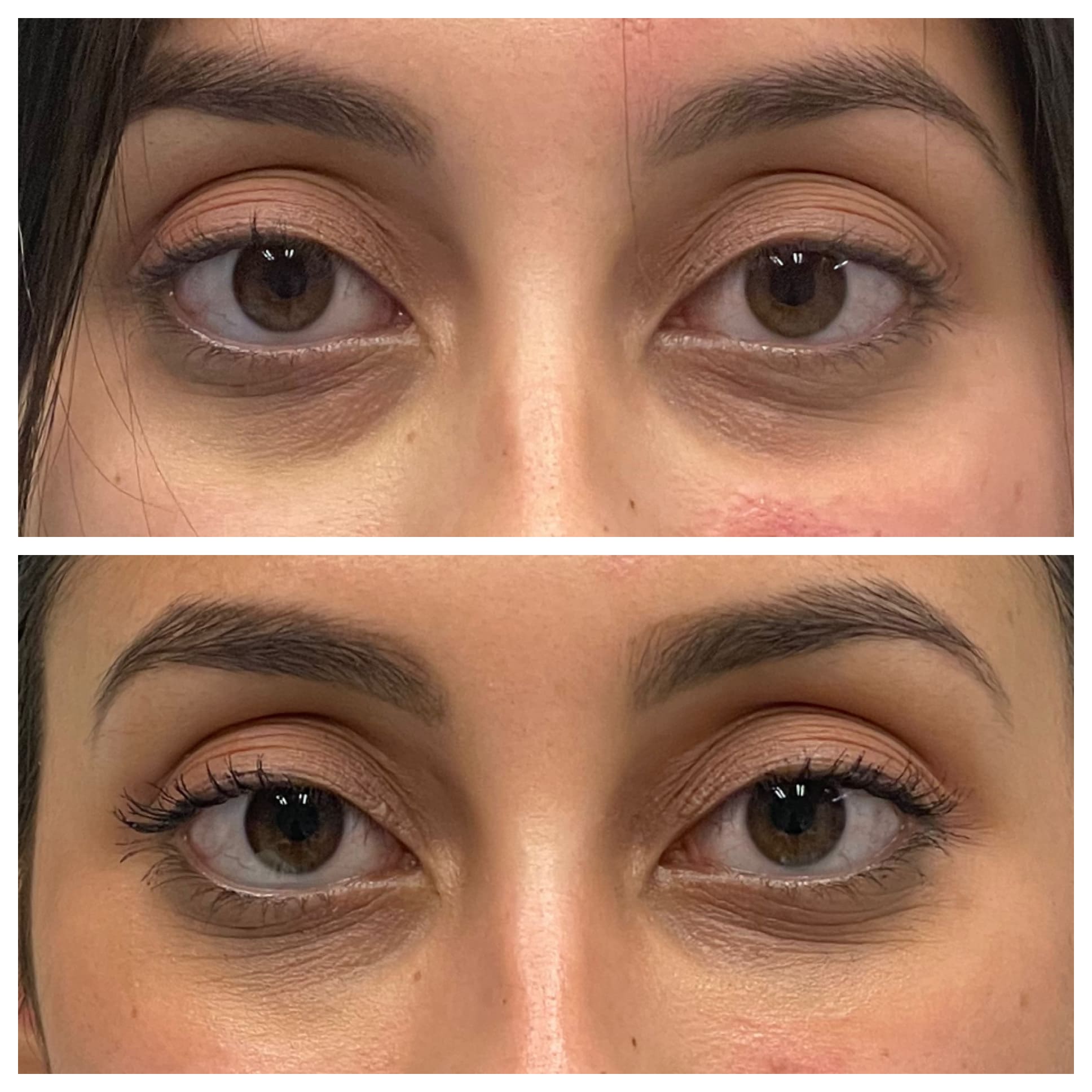
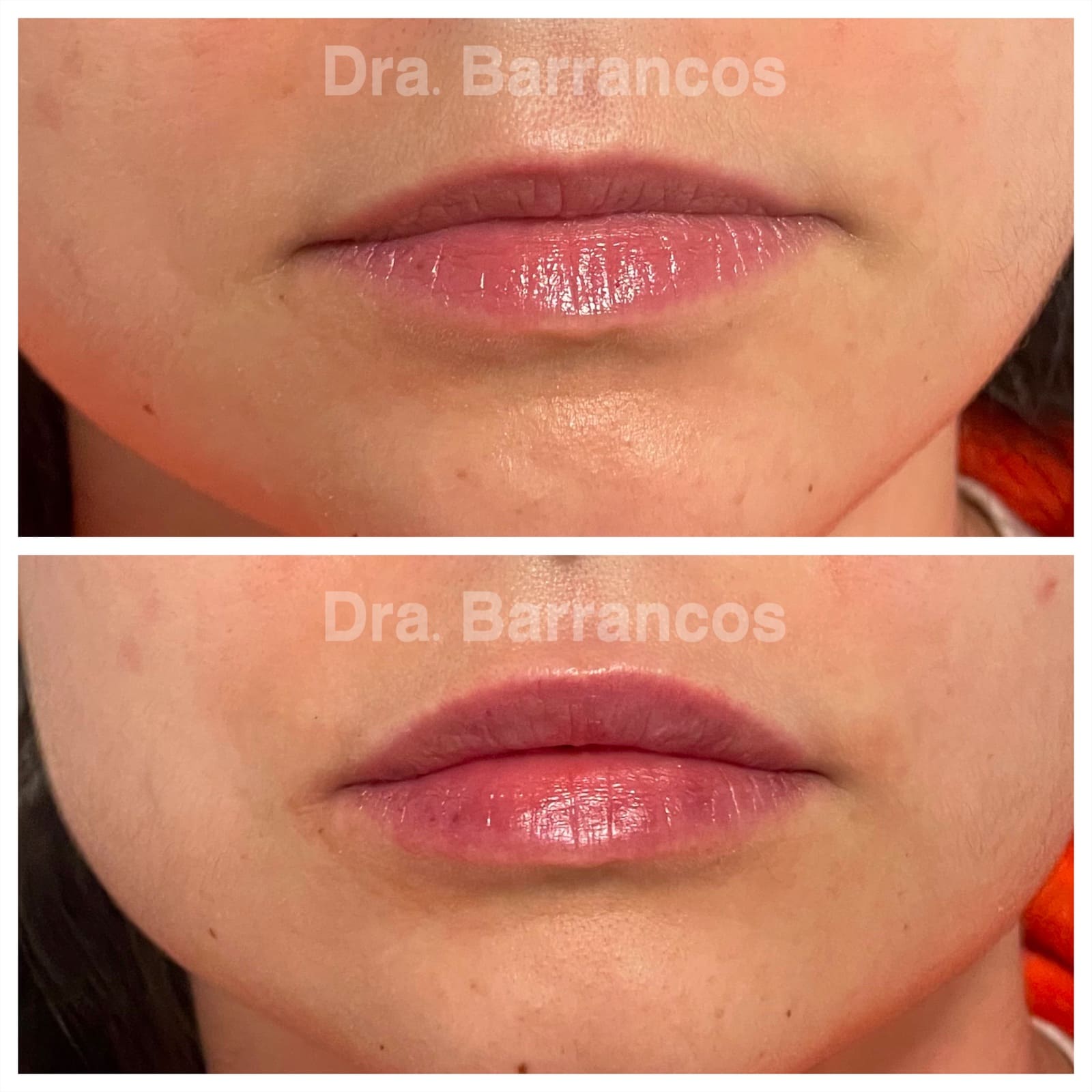
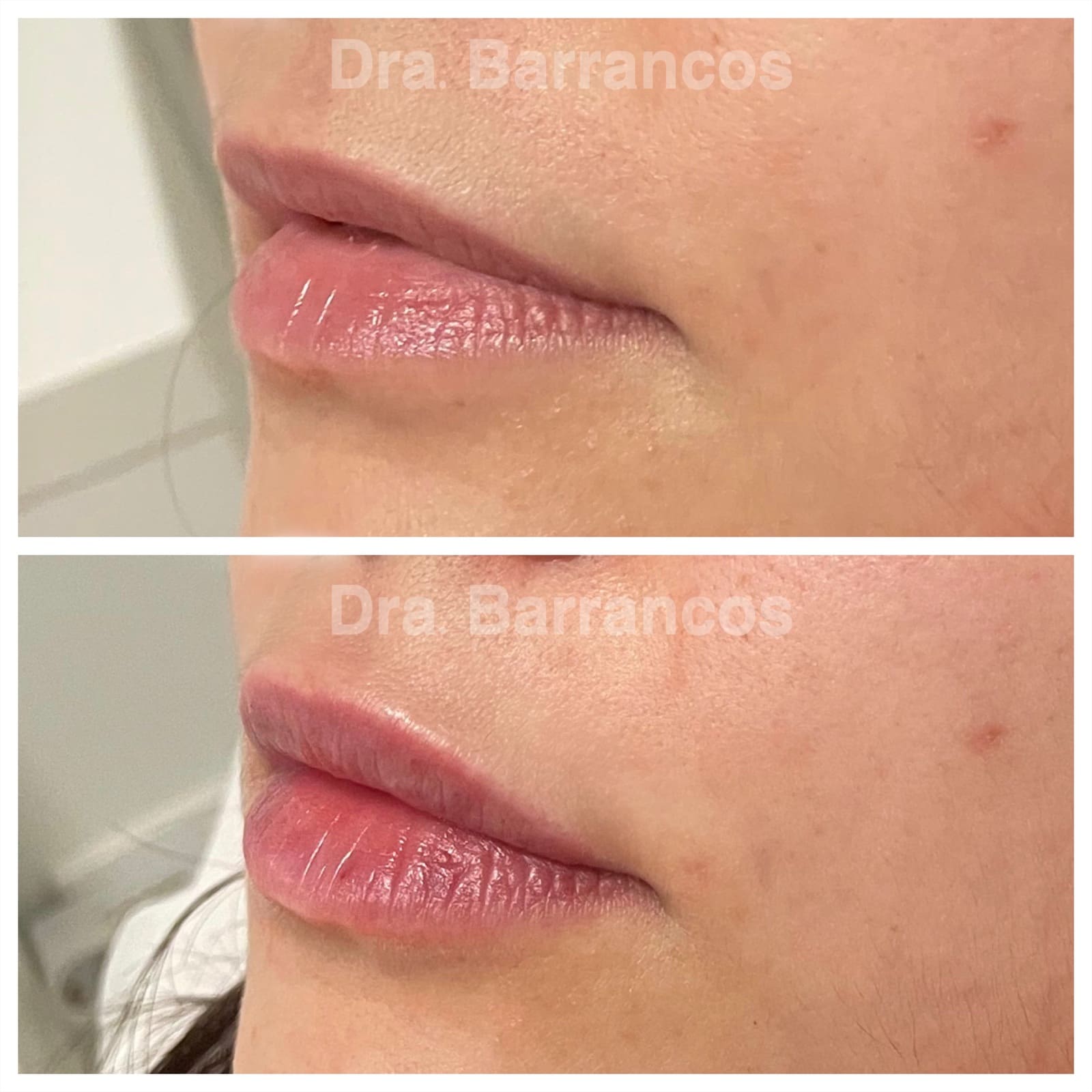
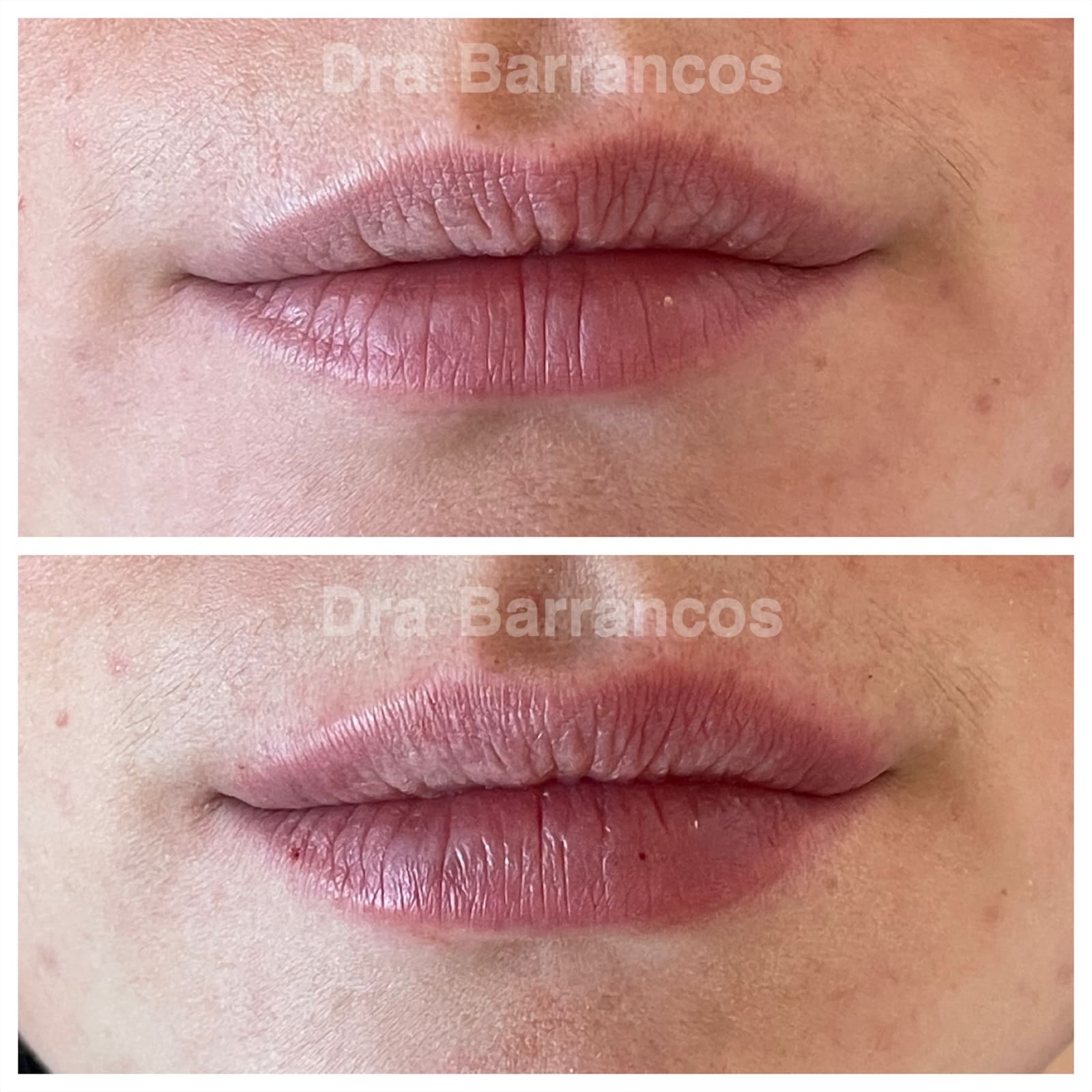
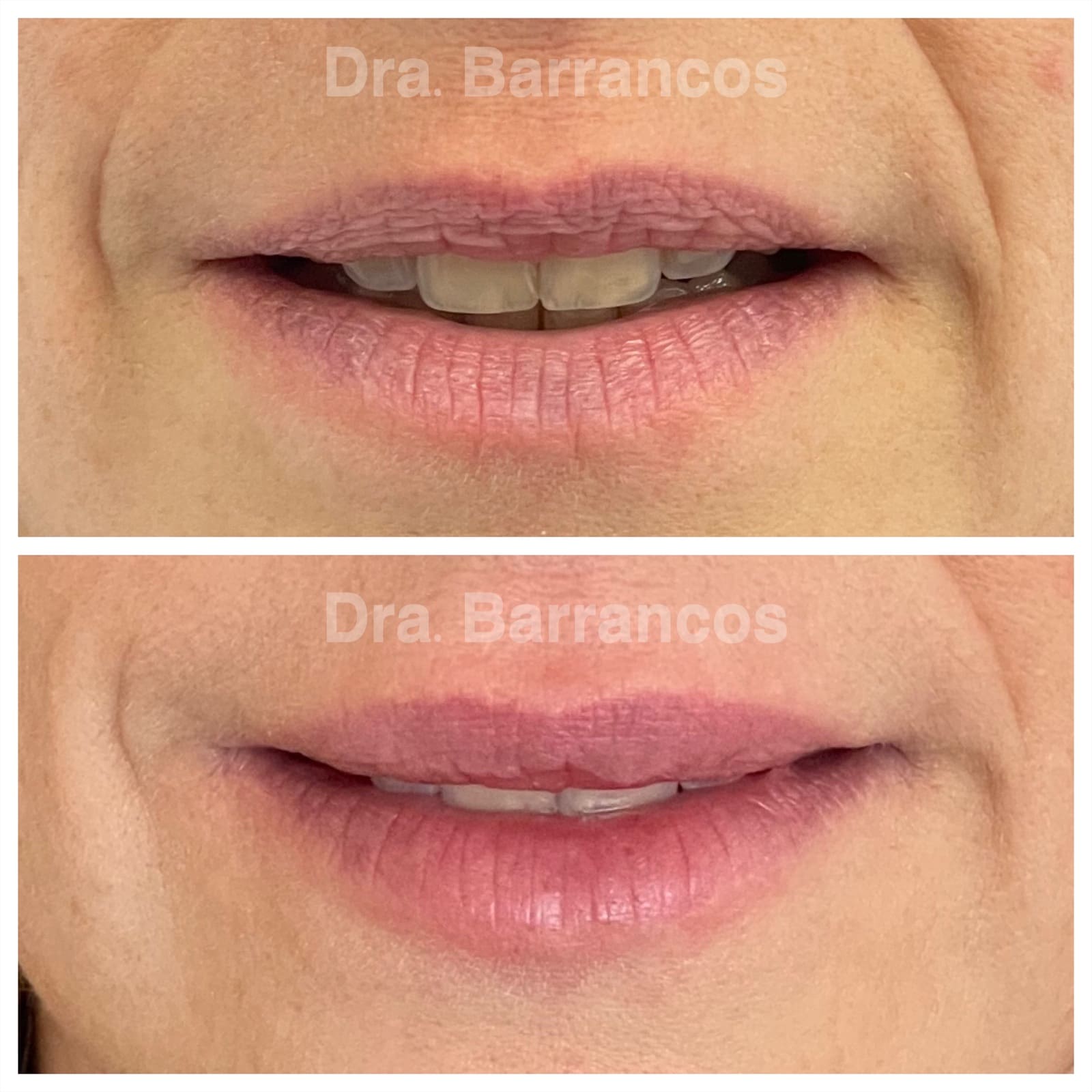
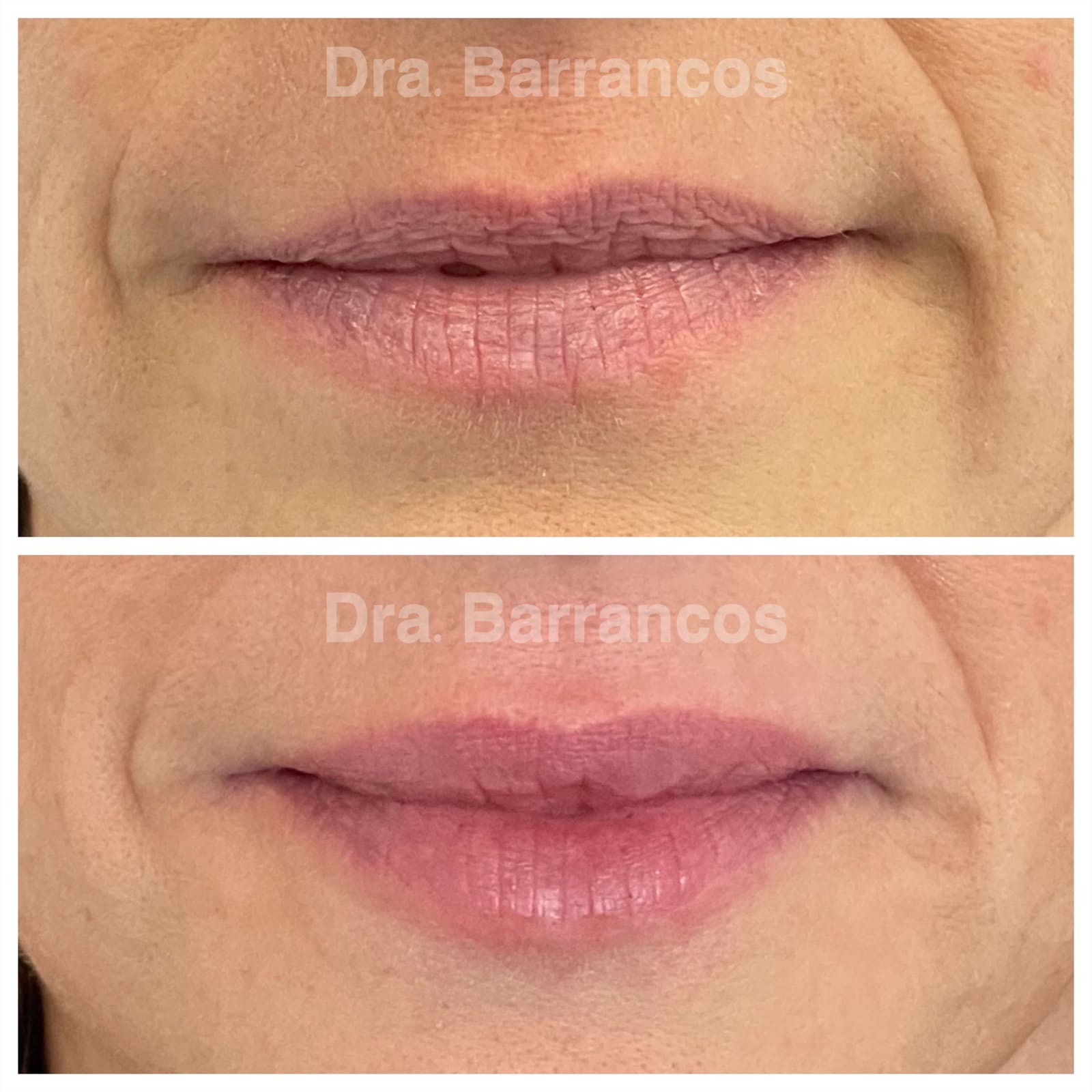
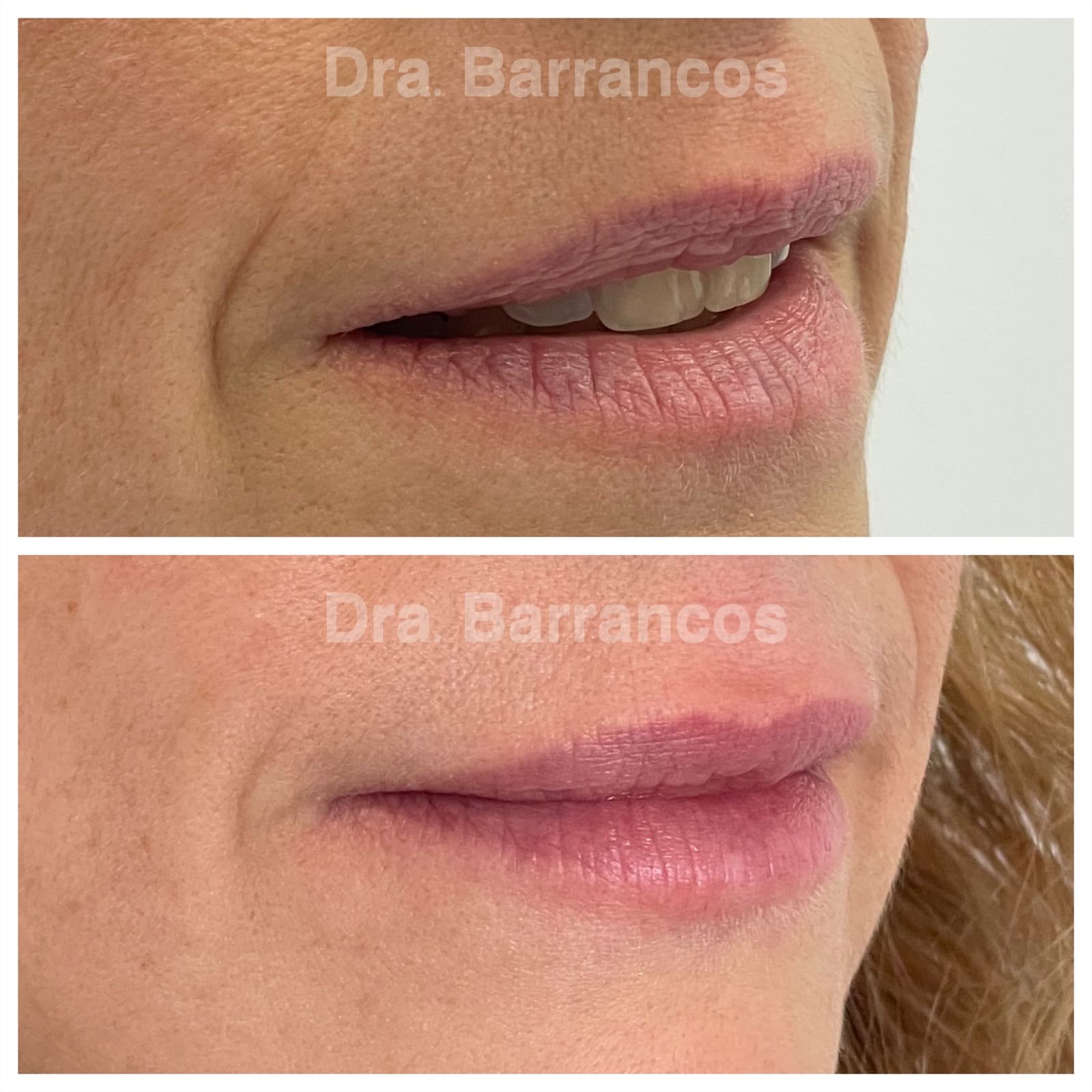
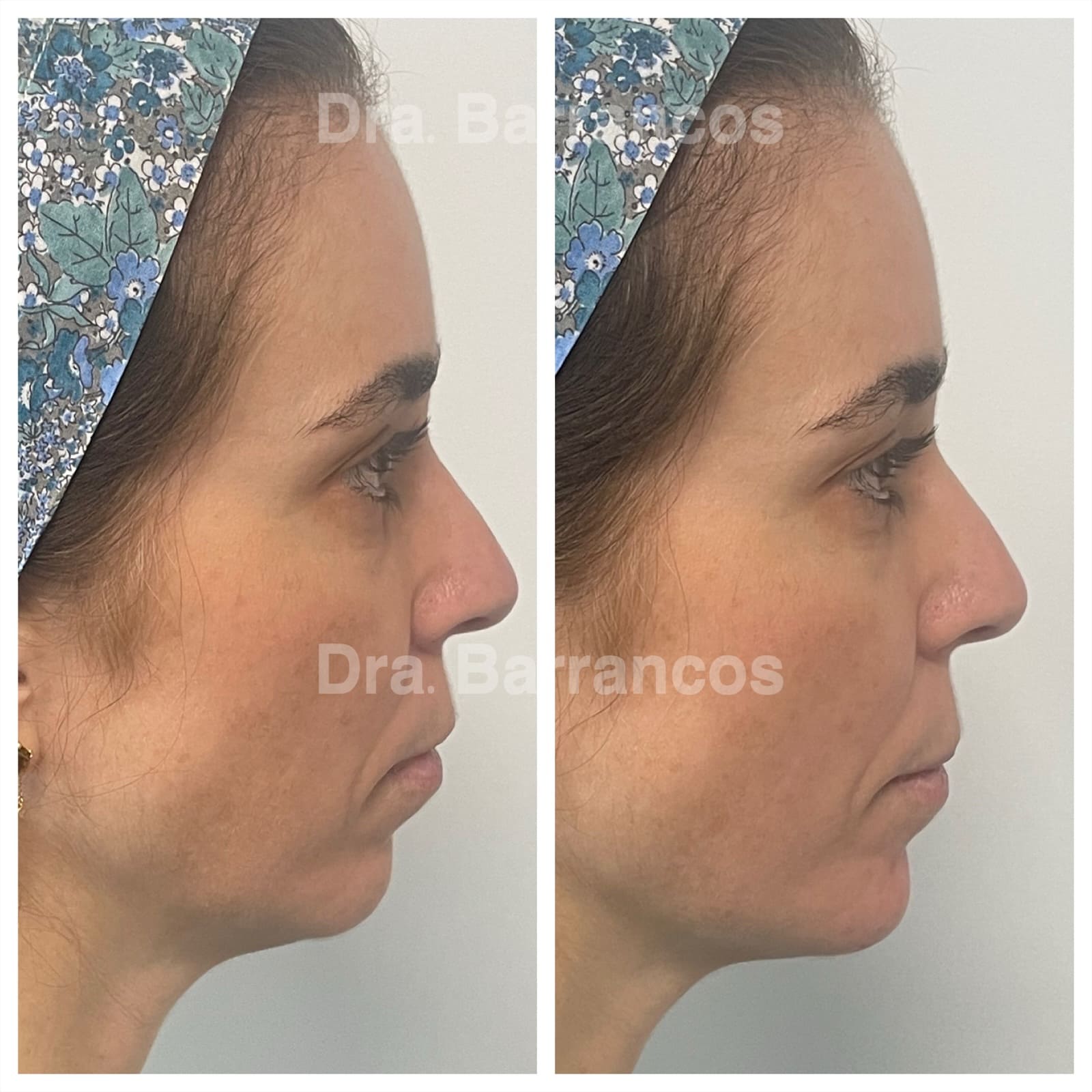
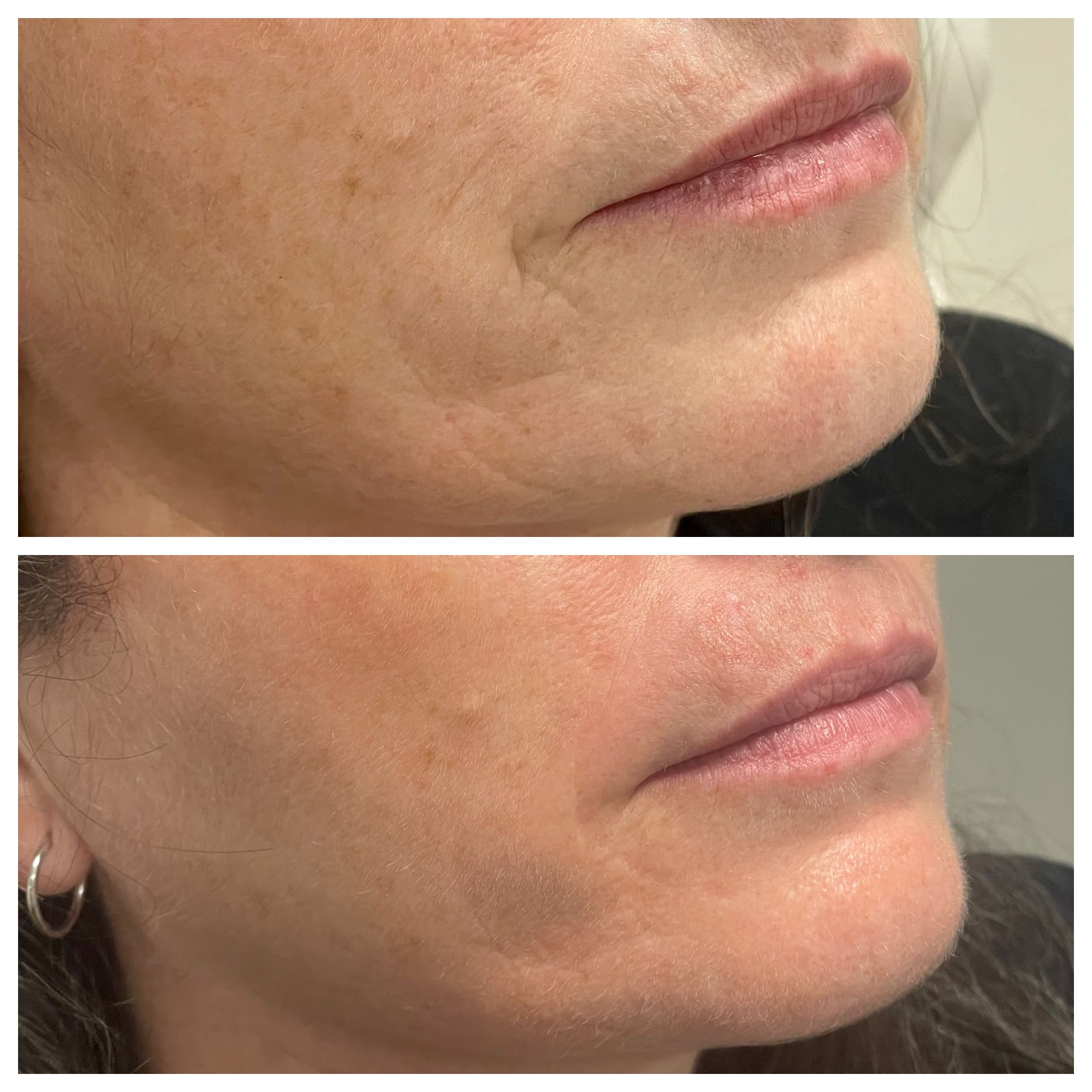
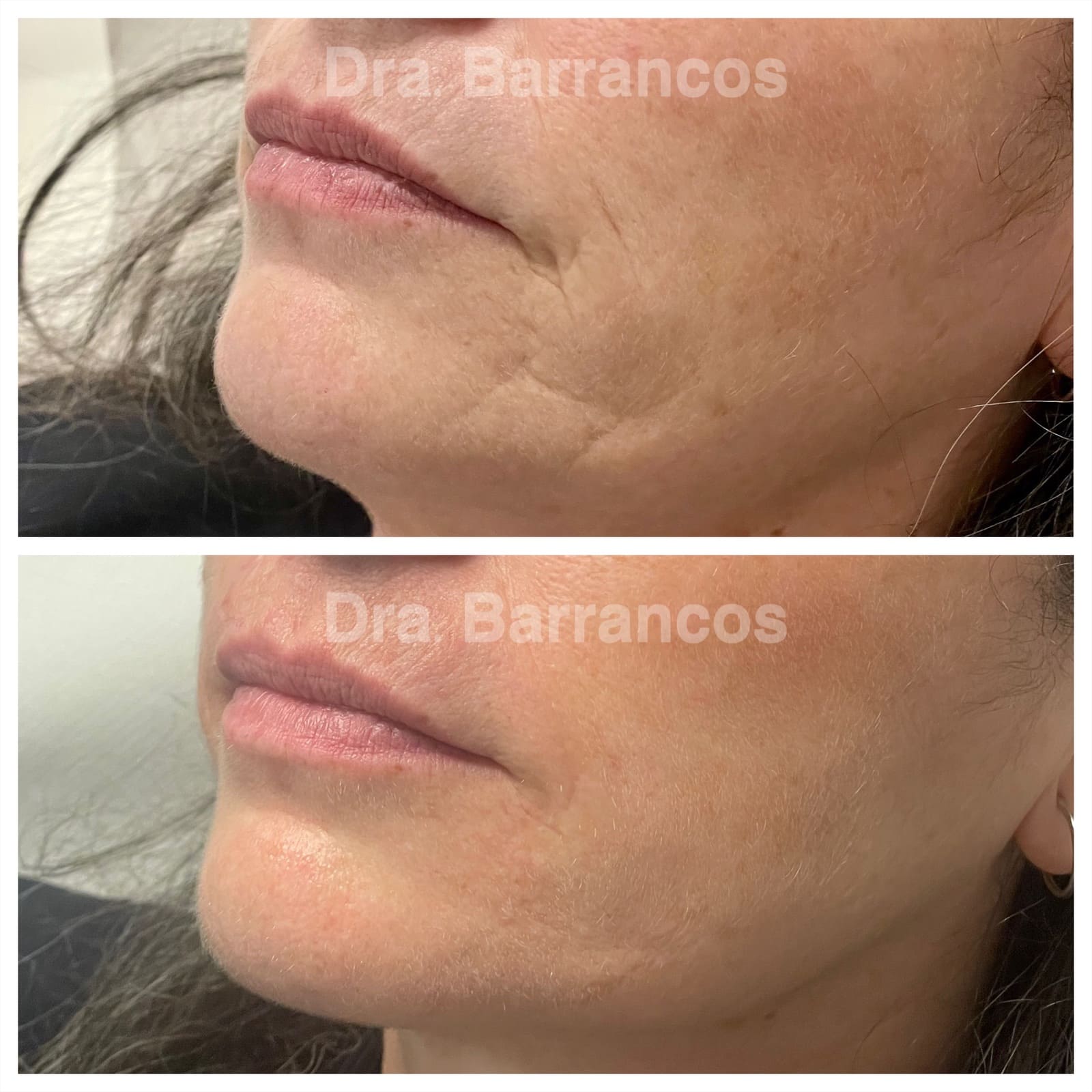
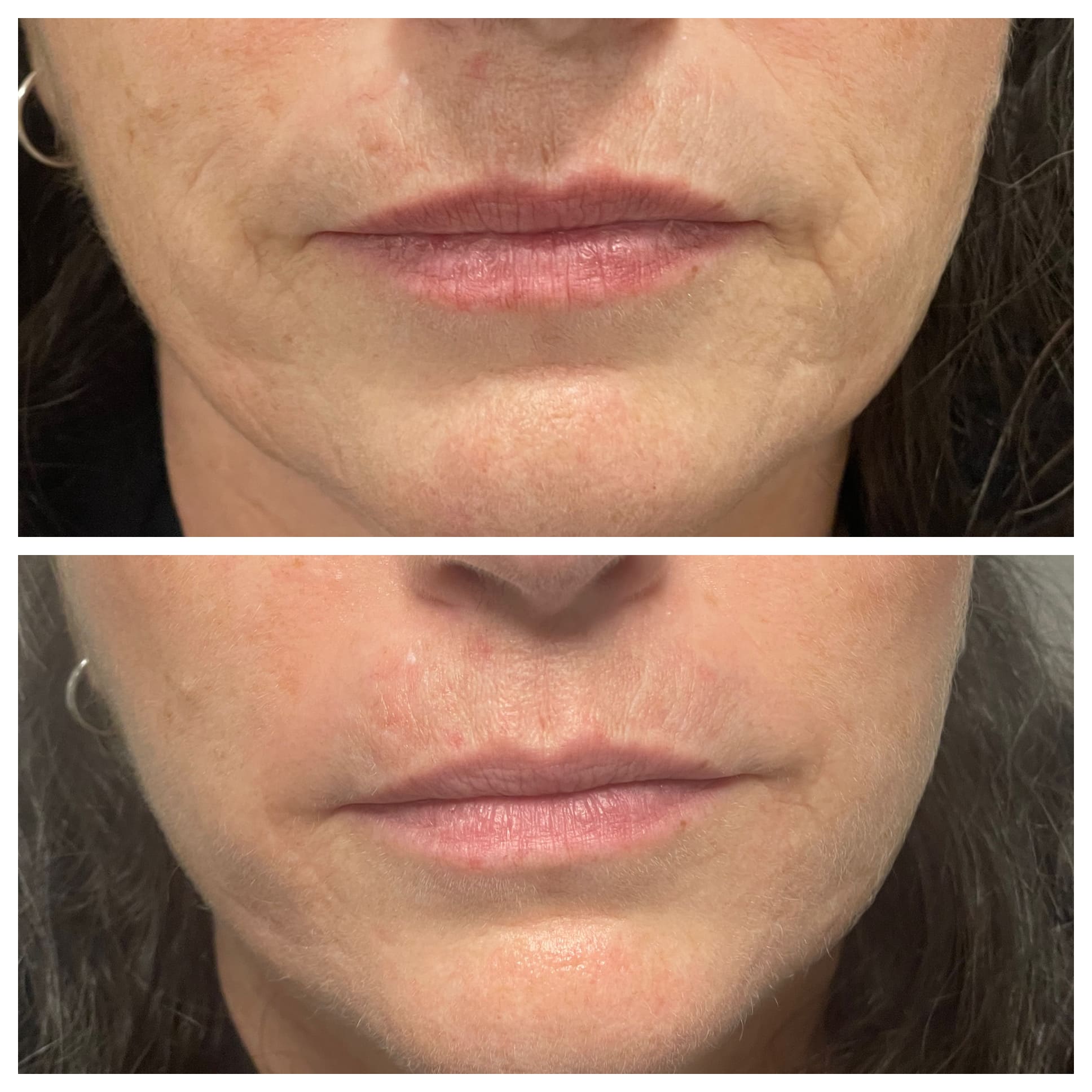
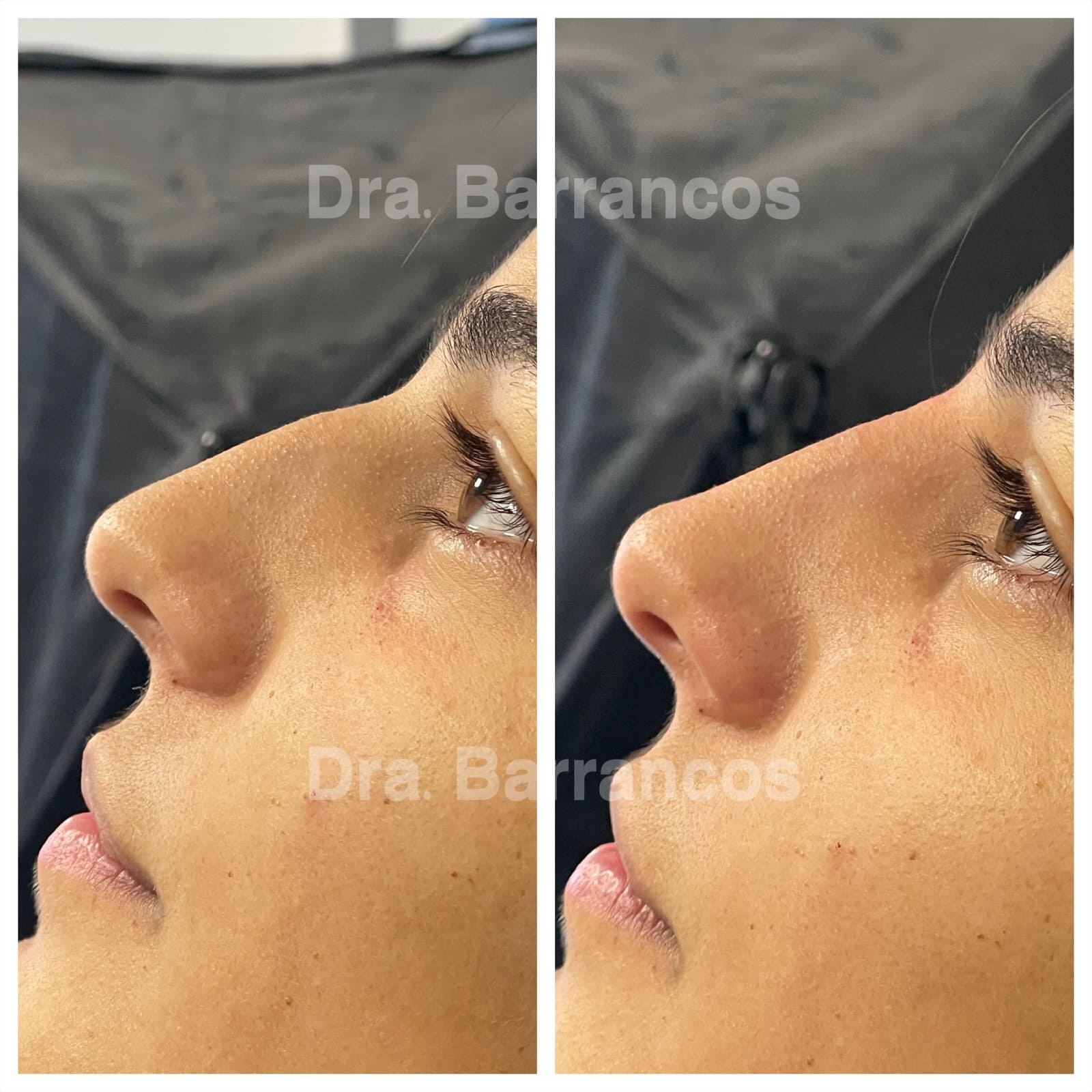
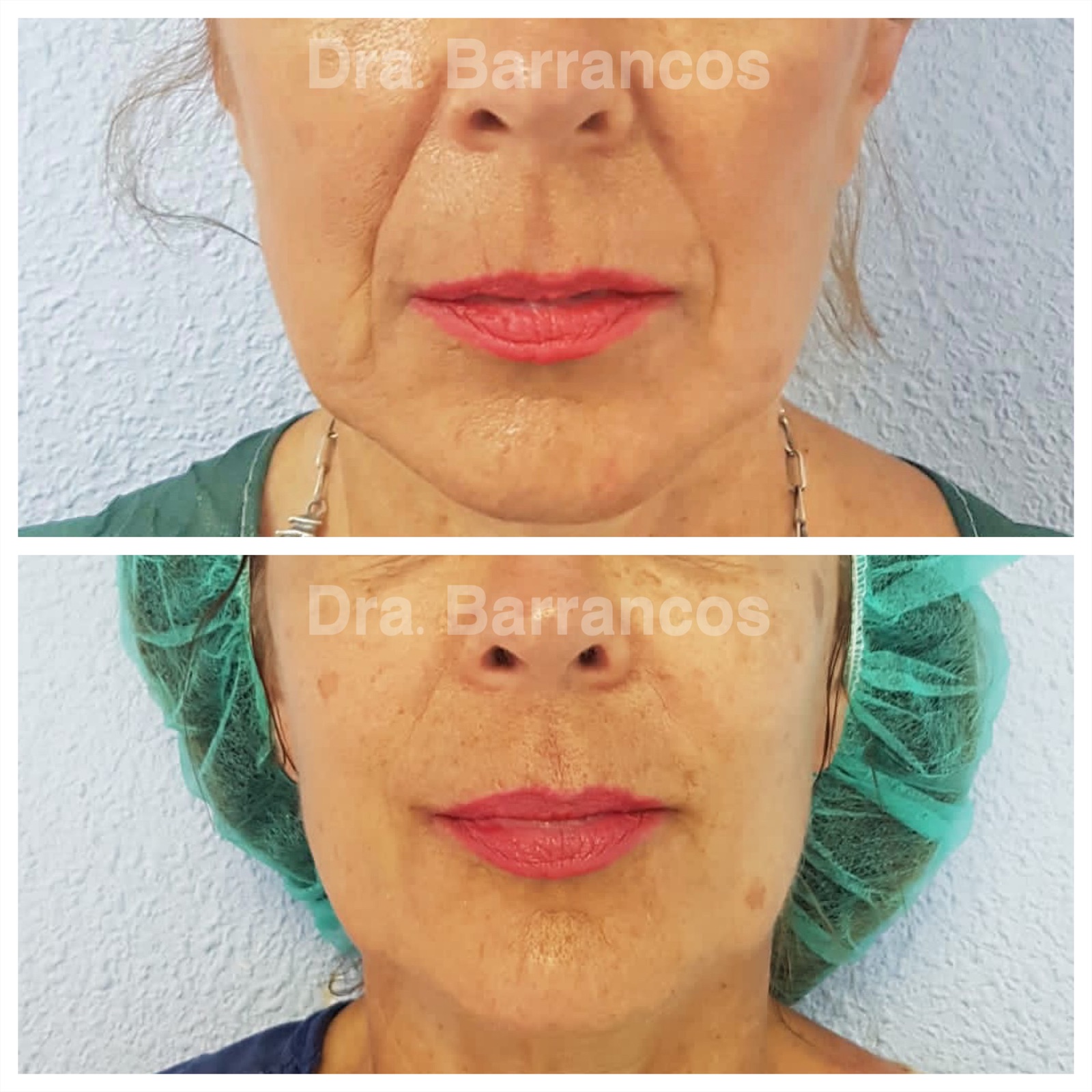
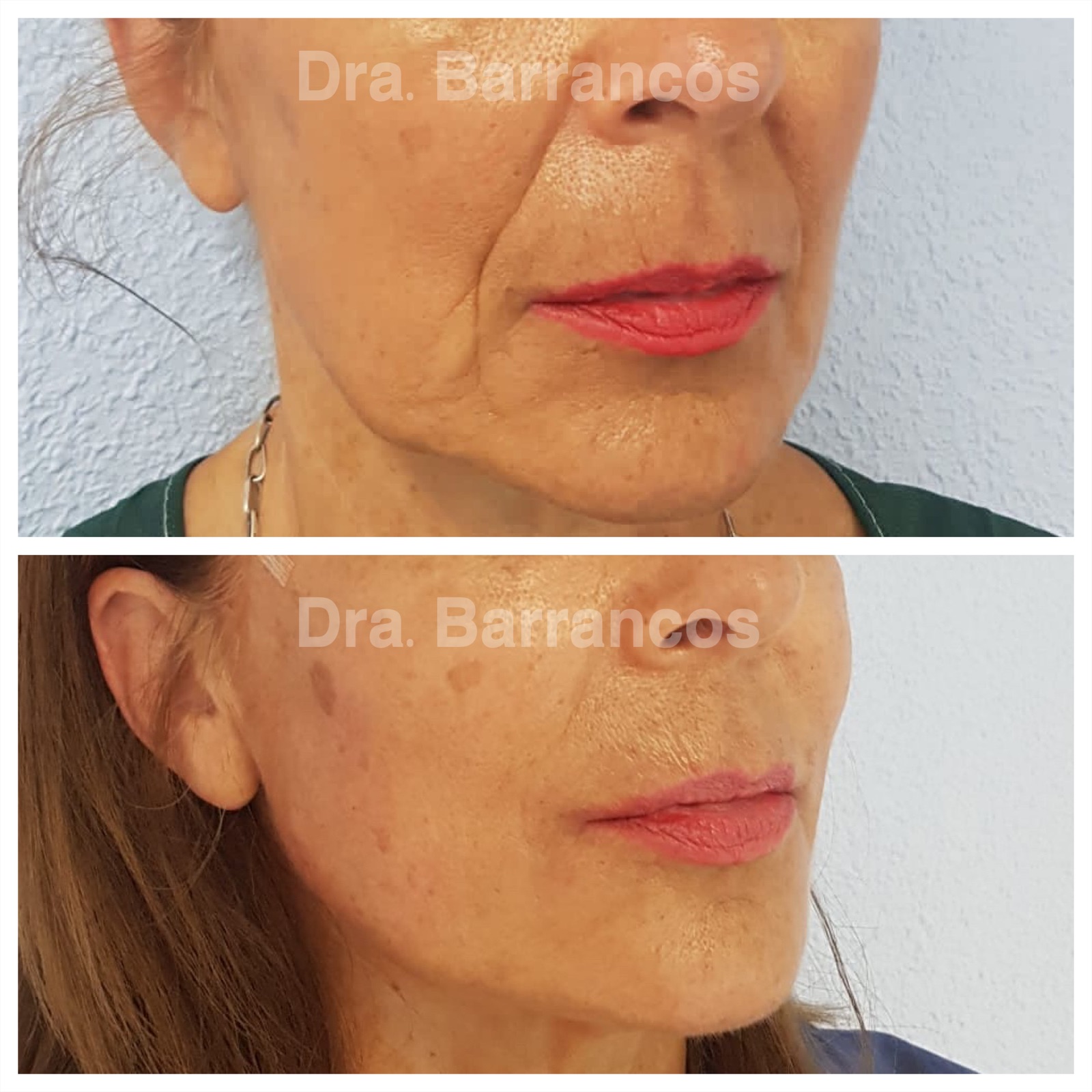
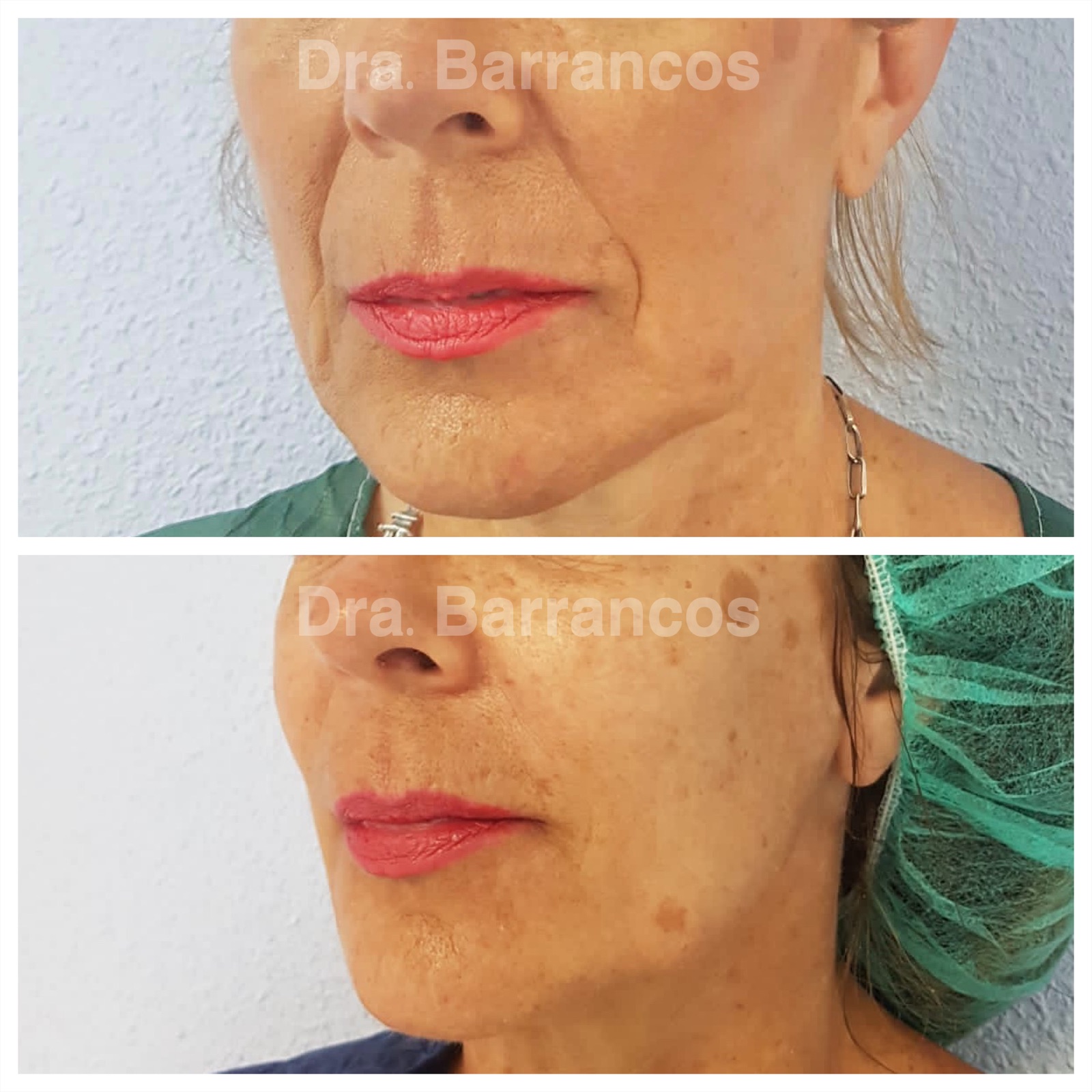
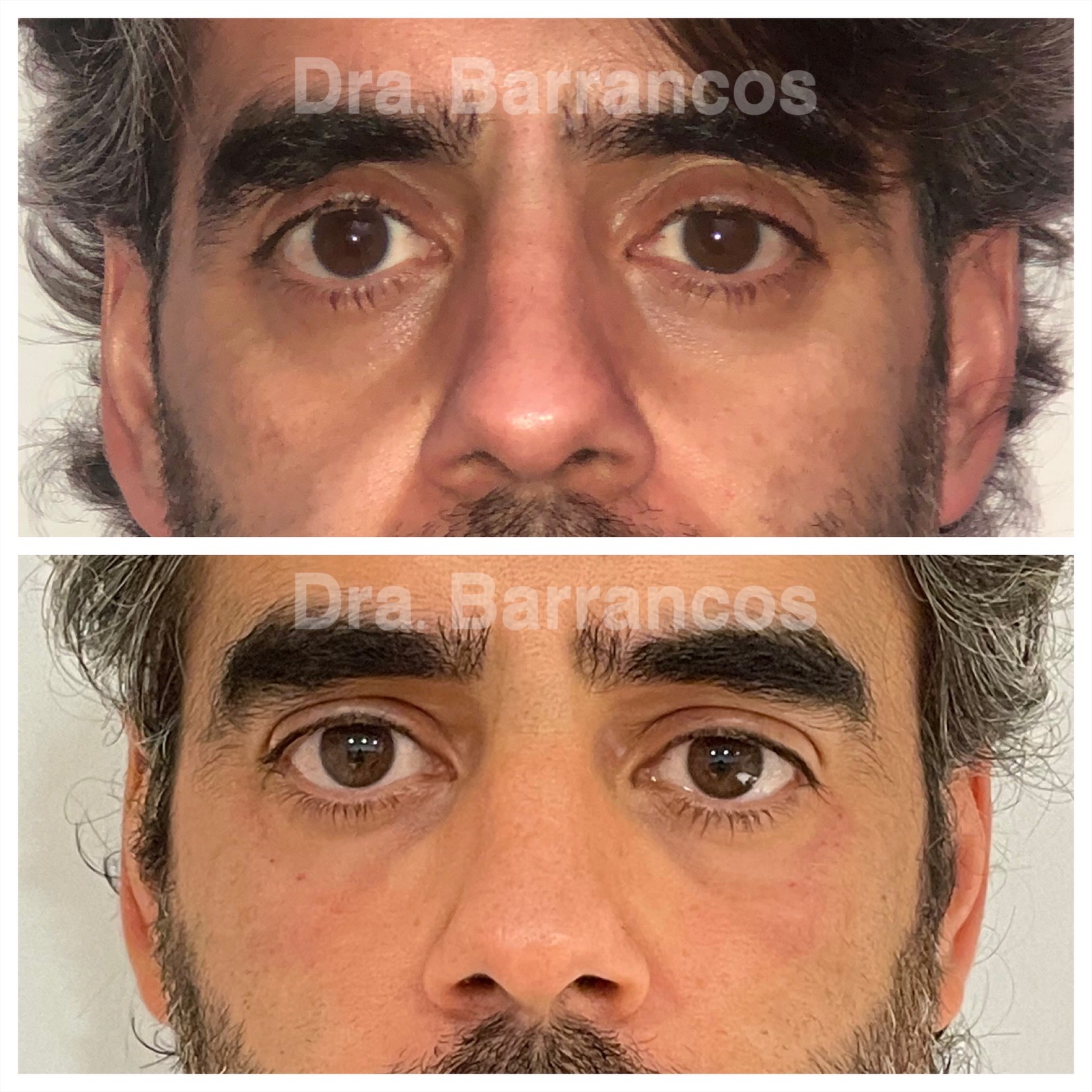
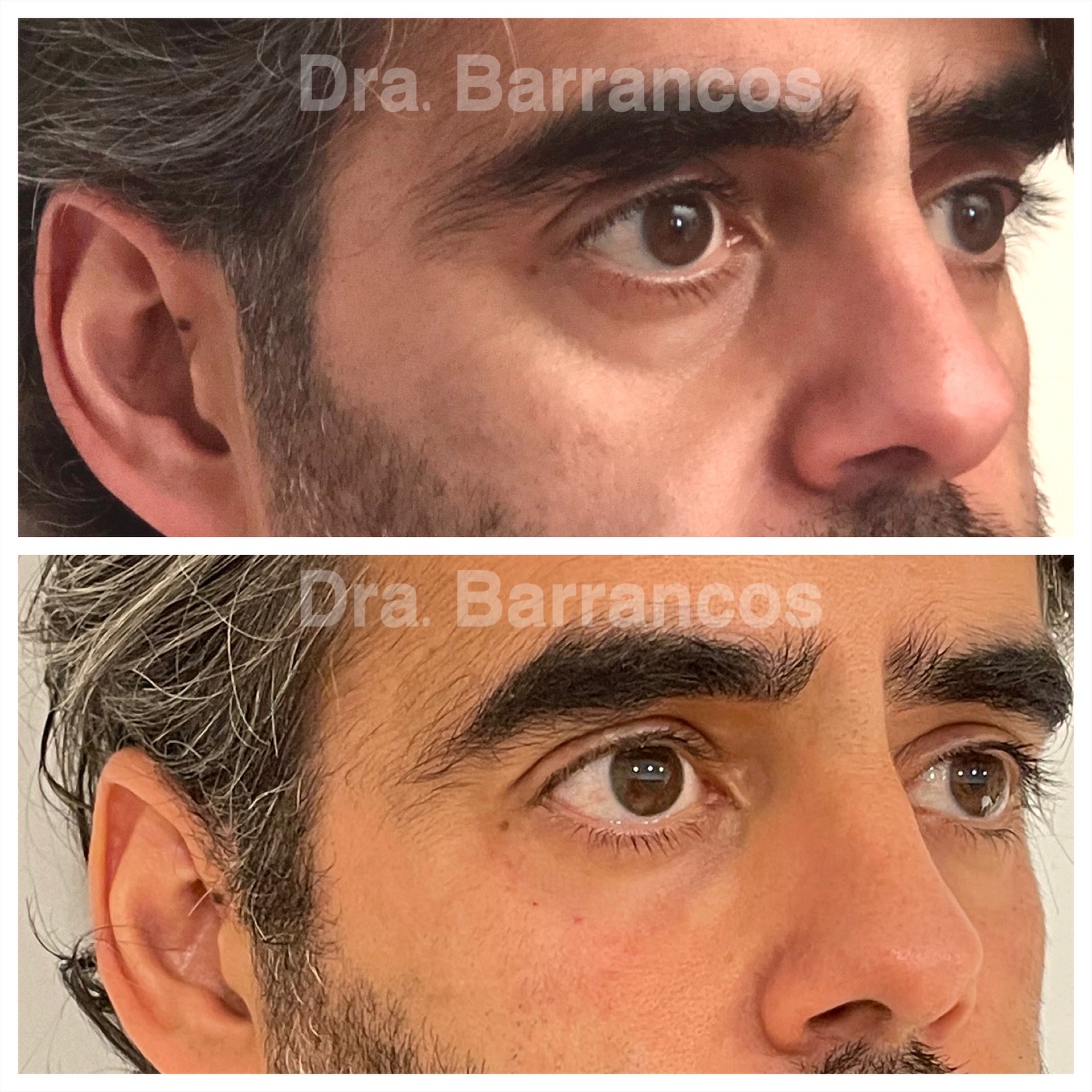
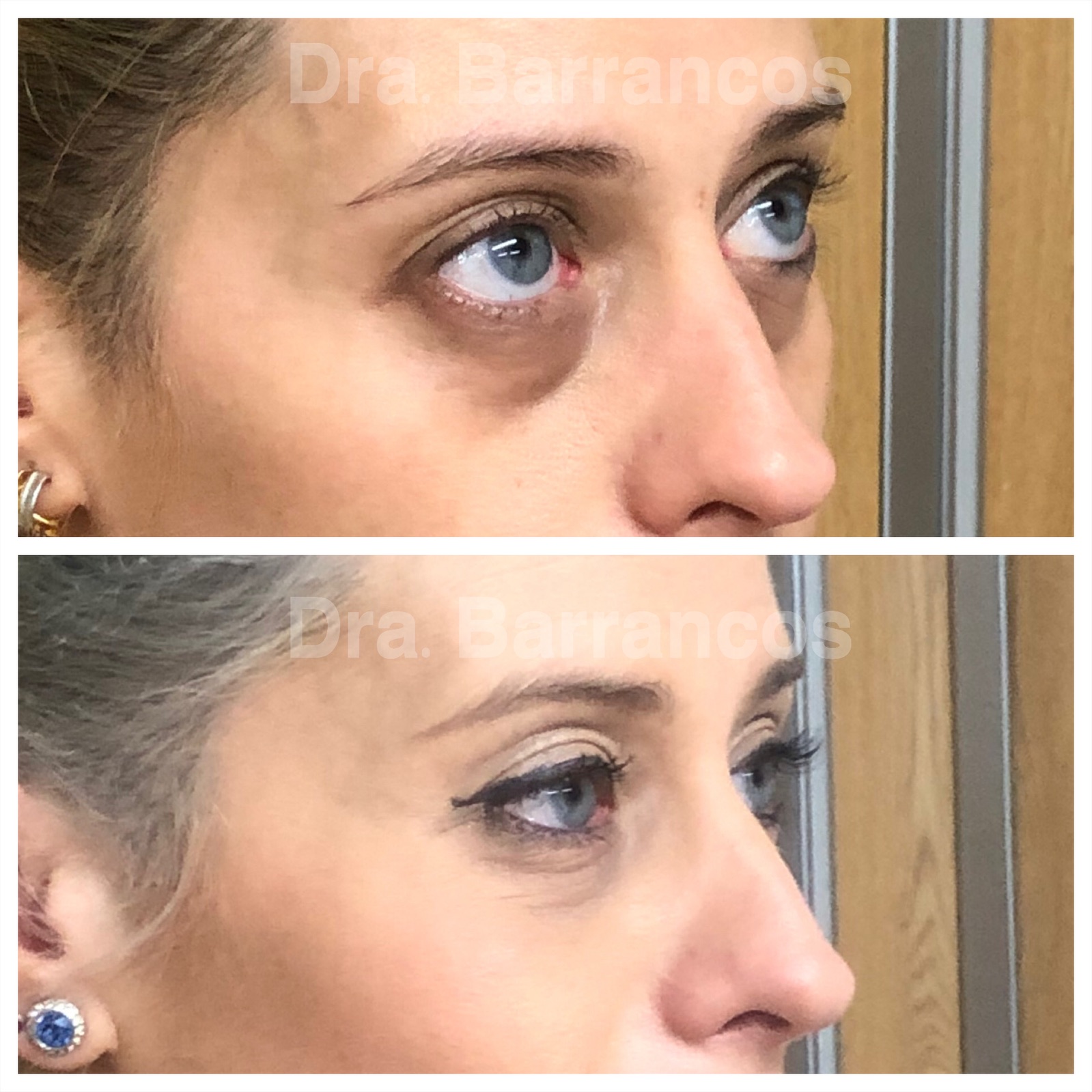
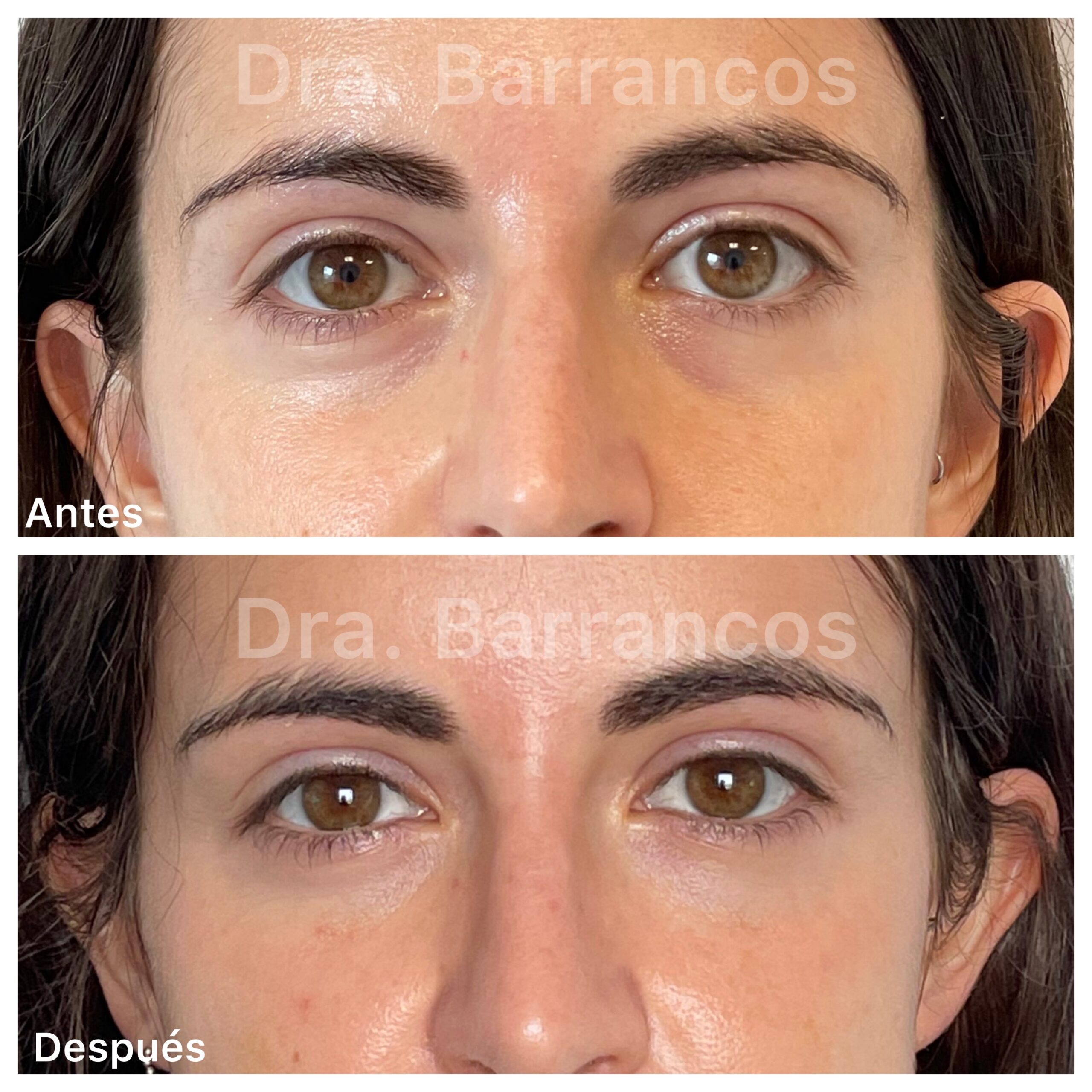
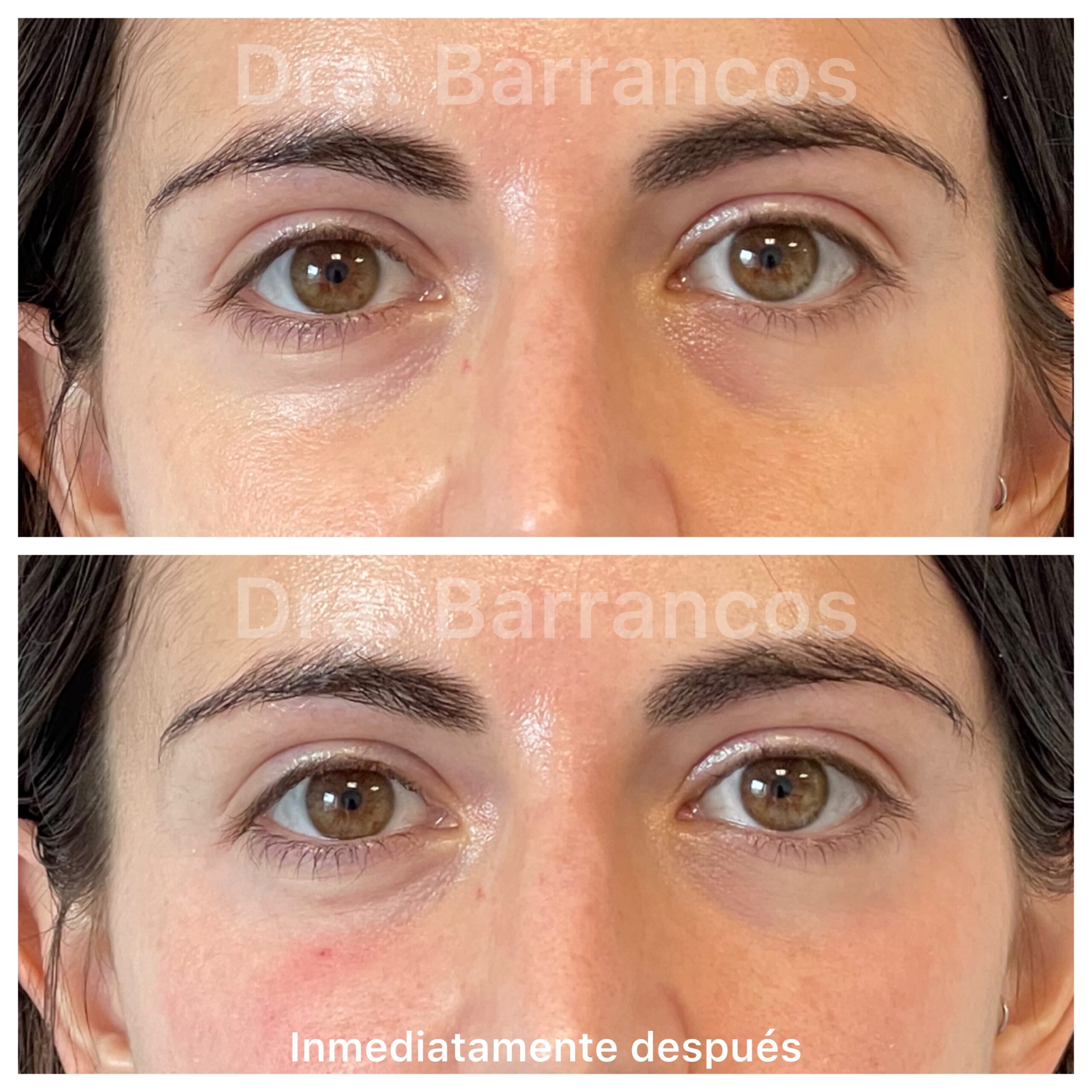
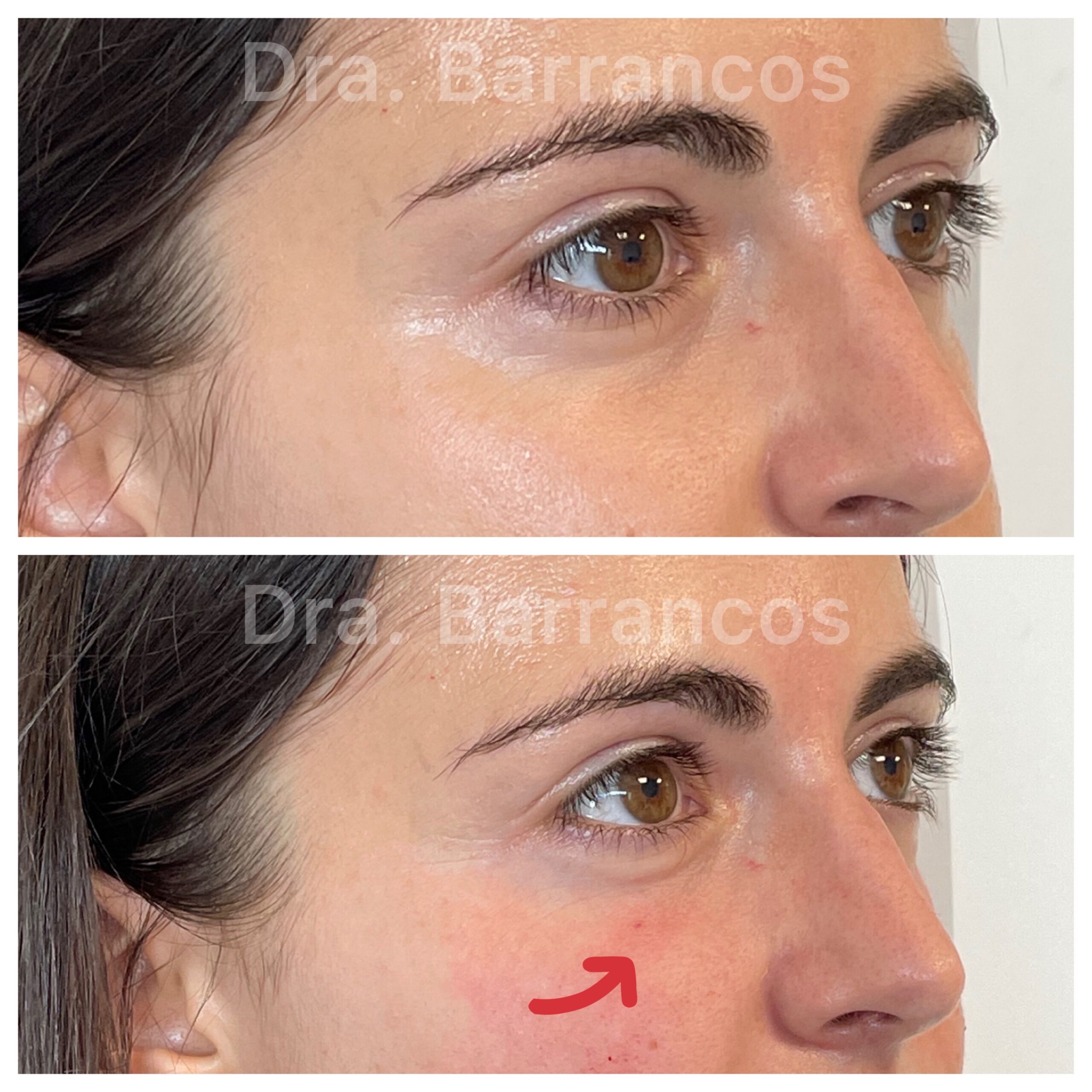
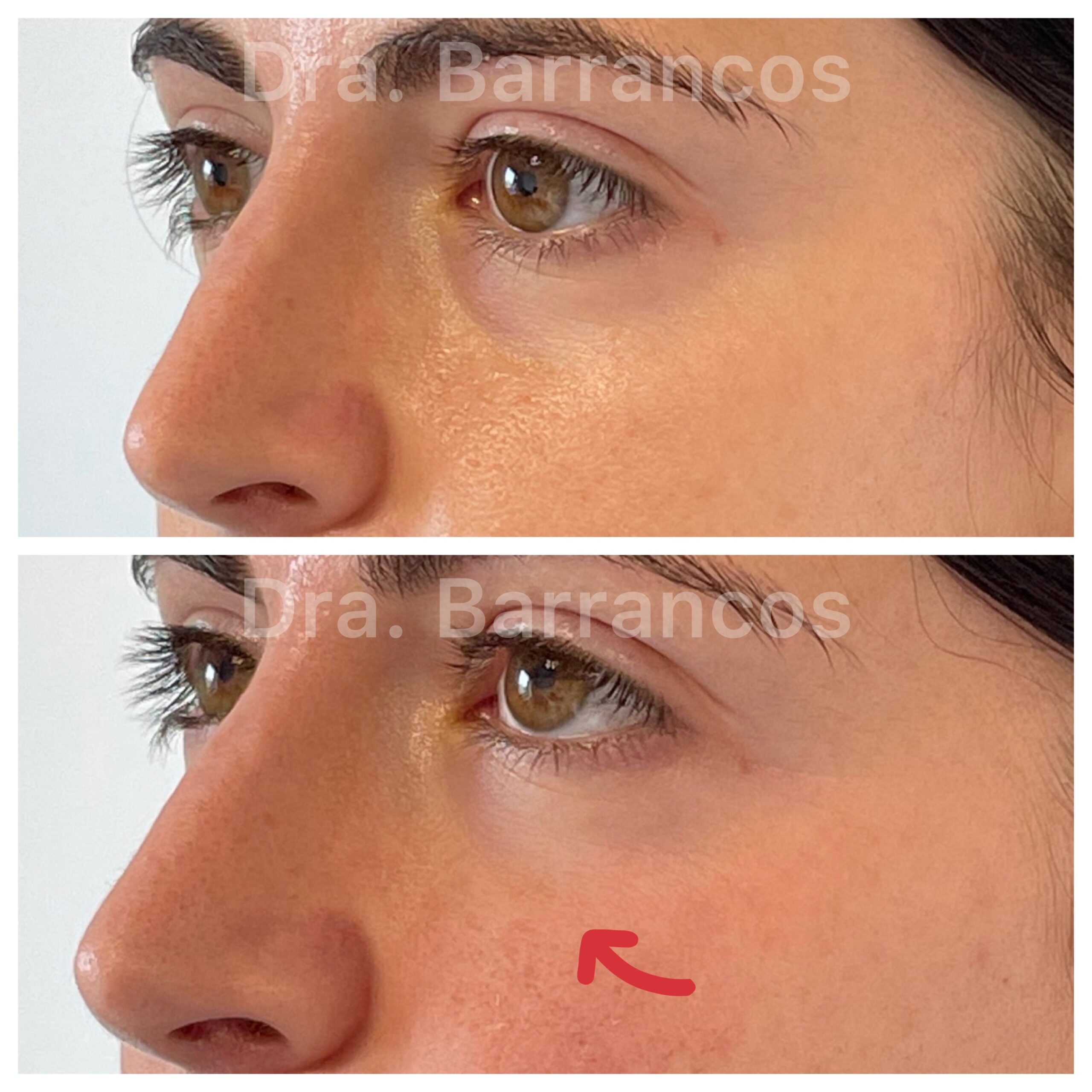
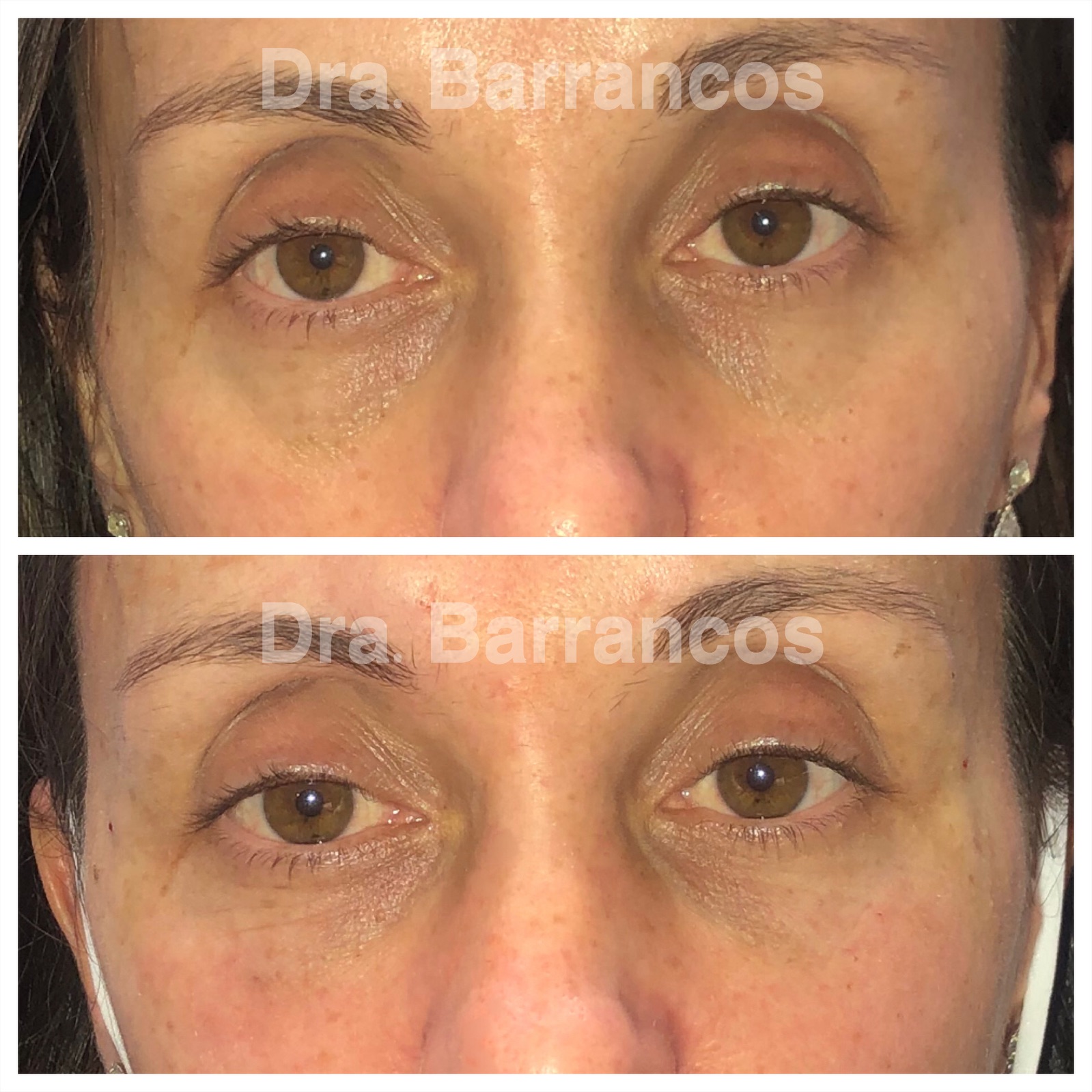
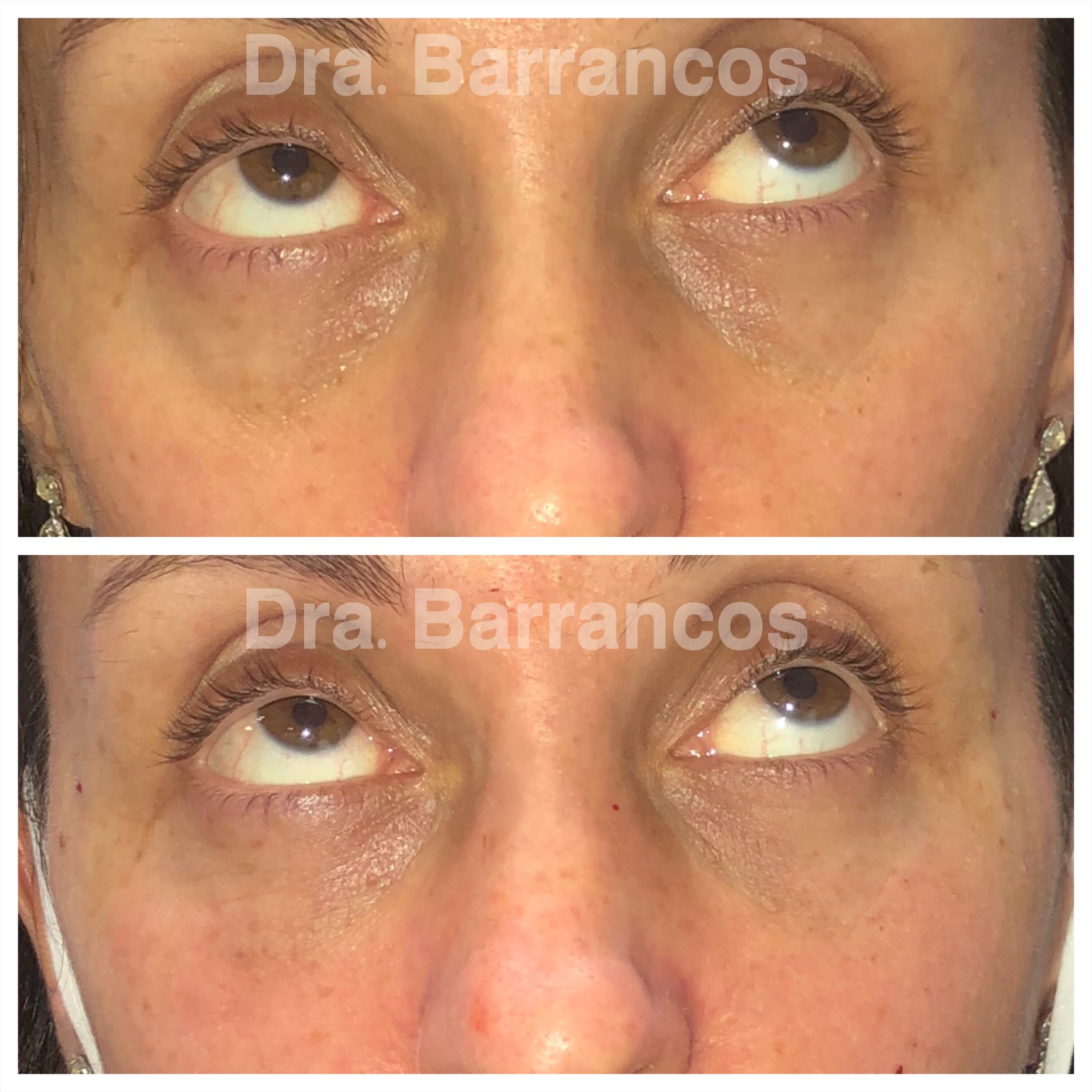
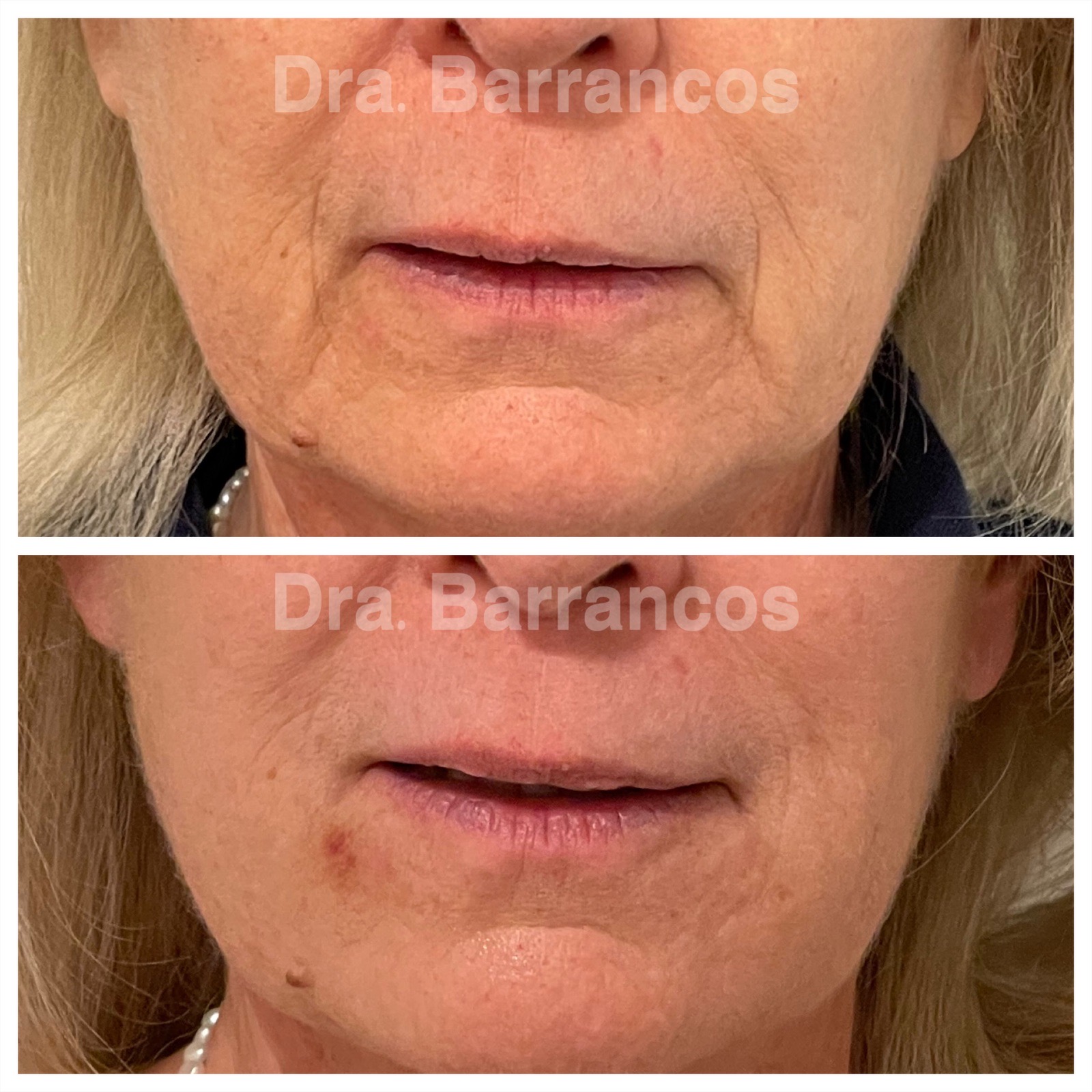
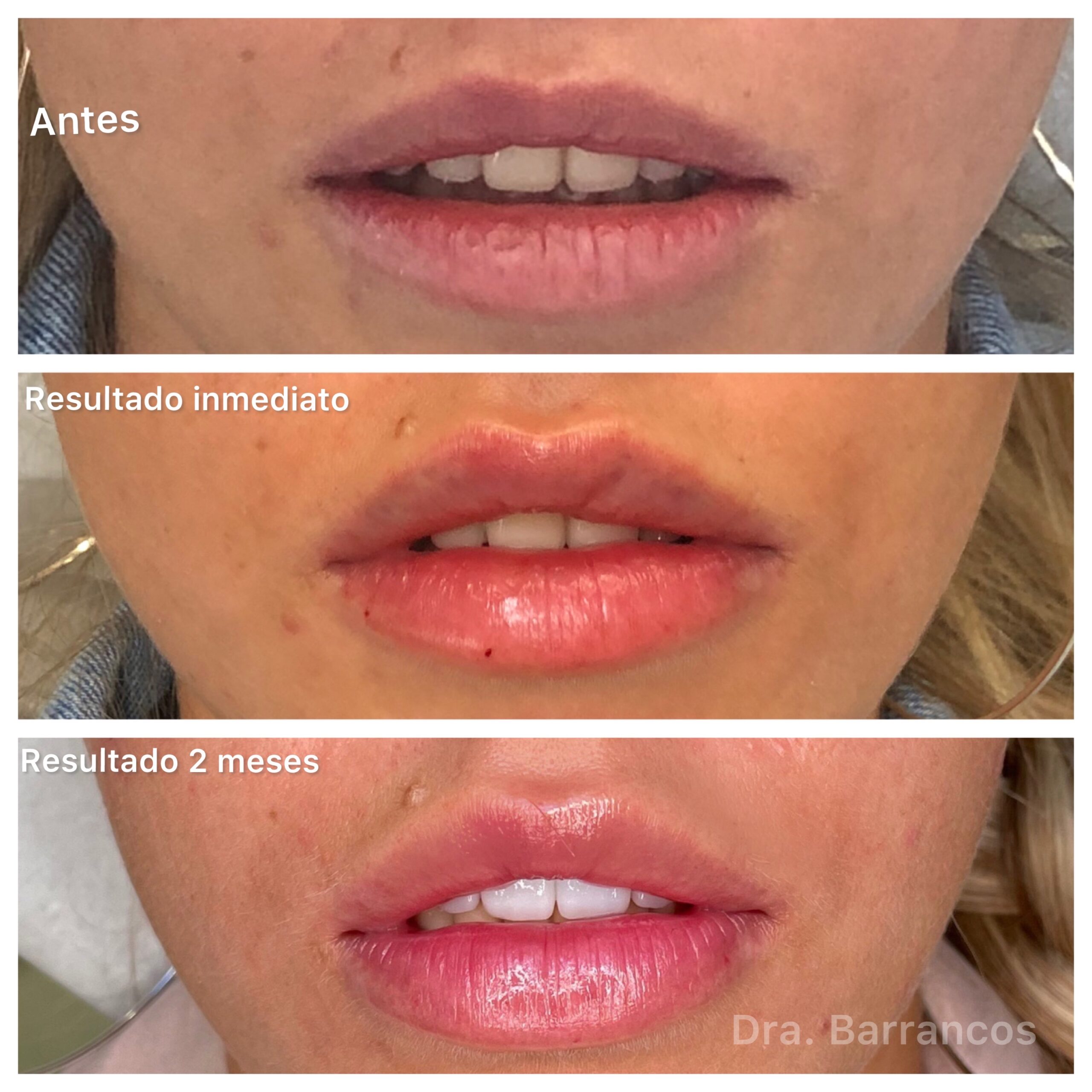
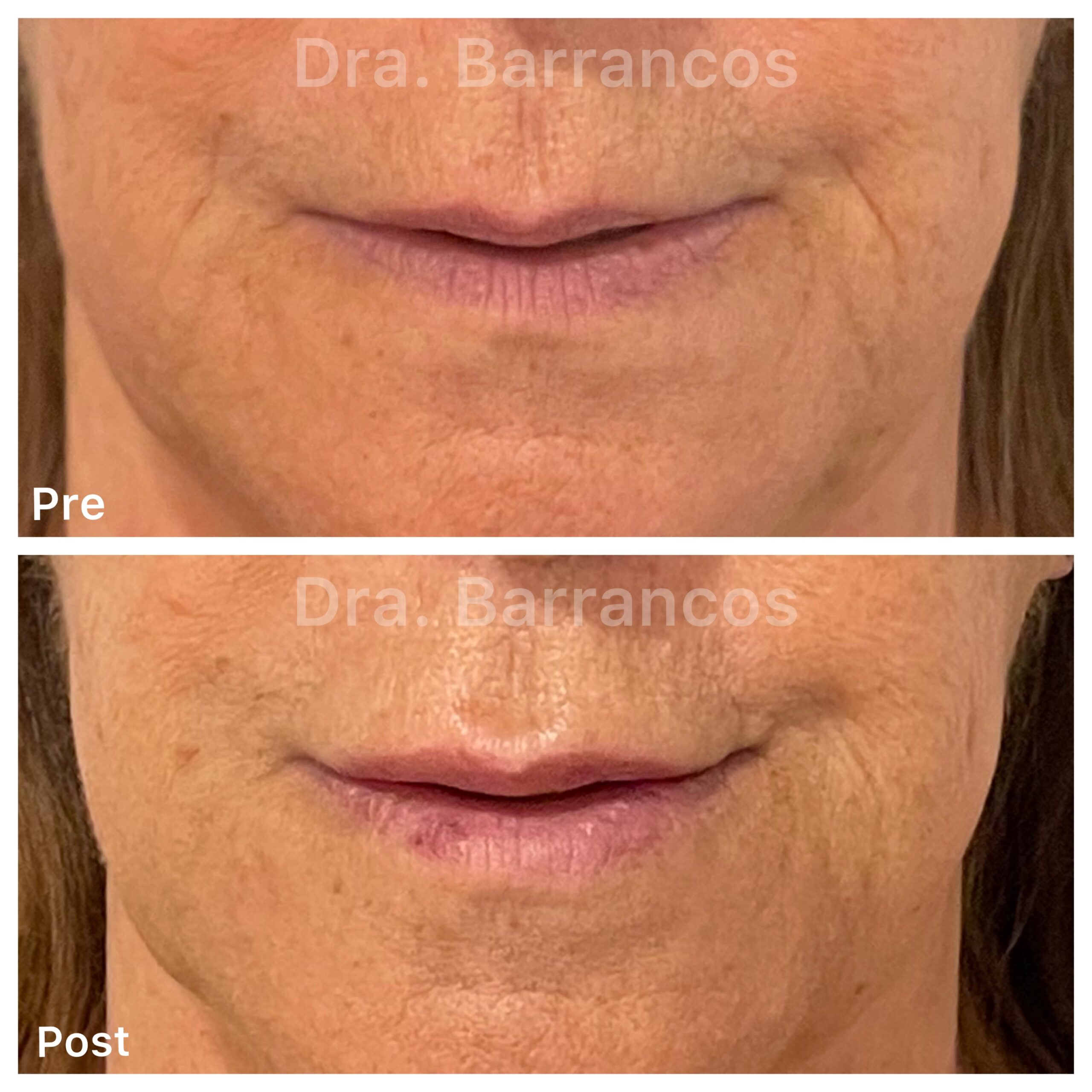
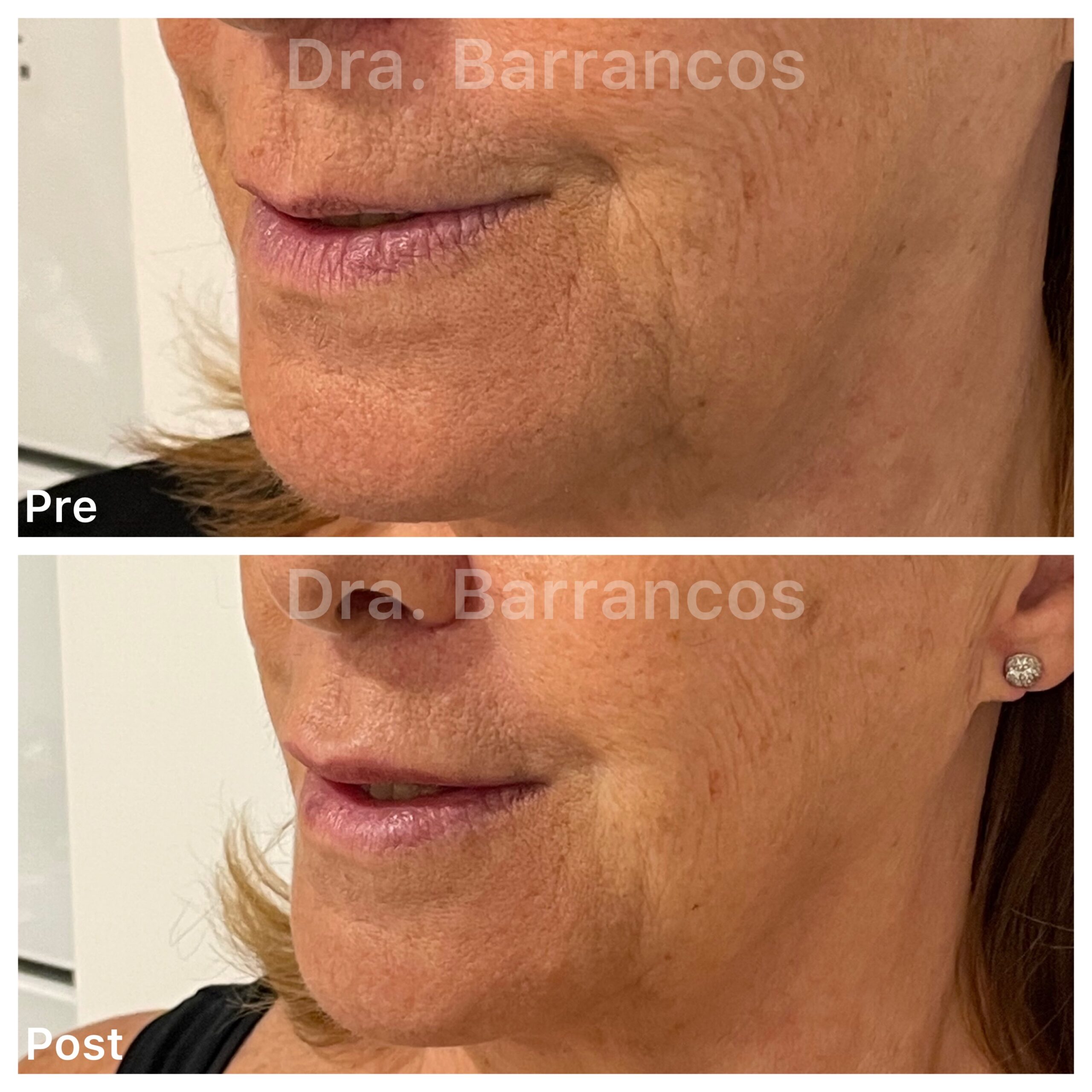
Dermal fillers are used to treat facial volume loss associated with aging. The most popular variety are hyaluronic acid fillers. In the periocular region, fillers can be used to treat grooves, reduce mild fat protrusions, treat static wrinkles, and compensate for cheek deflation and descent.
AREAS TO BE TREATED
UNDER-EYE HOLLOWS
Fillers can treat sunken under-eye hollows or reduce mild fat protrusions.
UPPER EYELIDS
Treatment for volume loss in the upper eyelids
FACIAL
Allows for repositioning of features and harmonizing facial volumes
APPLICATION
It is injected into the face with a fine needle or cannula.
Practically painless (topical anesthetic cream can be applied). Some products include anesthetic.
Performed in-office.
Normal activities can be resumed afterward without requiring rest.
DURATION OF EFFECT
Its effect lasts for 12-18 months. After this time, the treatment can be repeated.
Part of the effect may persist as it promotes the creation of new collagen.
The effect is immediate.
SAFETY
It is a safe treatment.
Hyaluronic acid is a natural component found in the body and skin, so it does not cause rejection and typically does not lead to adverse effects.
FACIAL FILLERS
Hyaluronic acid is a natural tissue component widely used as an injectable product to restore facial volume and treat deep wrinkles. It allows for repositioning of features and restoring areas that have lost volume over the years, or filling those that are naturally less voluminous: under-eye hollows, cheekbones, lips, jawline, cheeks, or temples.
RESULTS
Facial volumes are harmonized.
Treatment is individualized based on each patient's anatomy.
A well-performed treatment yields very natural results.
If you want to see more results and process videos, follow me on Instagram
TESTIMONIALS
Very correct, pleasant, very attentive to ensuring we understood the situation and solutions. She provided effective treatment and resolved the problem. 100% recommendable.
María G.A
Dr. Barrancos performed blepharoplasty on me last year. The result was a success: my gaze is clearer, and I look much more rejuvenated. She is a very good professional and an excellent person. Thank you, Doctor
Blanca FL
Dr. Barrancos provided me with excellent aesthetic treatment. She understood my needs and offered the best solution. Communication and treatment were impeccable. I am very satisfied with the result. A great professional.
María D.S.
Excellent professional, wonderful treatment, and she knows how to advise you according to your needs.
100% recommendable
IFN
Dr. Barrancos performed blepharoplasty on me last year. The result was a success: my gaze is clearer, and I look much more rejuvenated. She is a very good professional and an excellent person. Thank you, Doctor
Blanca FL
Dr. Barrancos was very kind and attentive to me. She explained my condition and the treatment in detail during the consultation. She also contacted me days later to inquire about my progress.
Victoria M.
The Doctor explained the causes and different treatments for my problem in great detail. The treatment was excellent and very close, with interest in my progress. A very good professional. Thank you.
A recent history of influenza, Covid-19, or other viral infection.
Have taken aspirin, non-steroidal anti-inflammatory agents (ibuprofen, naproxen), salmon oil, vitamin E, gingko biloba, ginger, and garlic in the last week.
History of Clopidogrel, Sintrom, Rivaroxaban, Apixaban, Pradaxa, Plavix, Heparin, or any other anticoagulant agent. You should consult with your prescribing physician about the possibility of discontinuing these products before the injection.
It is recommended to avoid alcohol at least 24 hours before treatment.
Recent use of retinoids.
History of facial implant surgery.
A diagnosis of Crohn’s disease or ulcerative colitis.
Thin facial skin or cutaneous atrophy.
Recent history or history of corticosteroid use on the face.
An active skin infection such as: Impetigo, herpes simplex, ACTIVE acne, facial warts, allergic contact dermatitis, sensitive skin syndrome, seborrheic dermatitis, active lichen planus, active rosacea flare-up, scleroderma, pyoderma, or psoriasis.
History of diagnosis of mixed connective tissue disease such as: morphea, systemic lupus, Marfan syndrome, Ehlers-Danlos syndrome, or stabilized morphea.
History of immunosuppression, such as a recent or distant diagnosis of graft-versus-host disease, blistering diseases, heart, kidney, liver, or bone marrow transplant. Currently taking immunosuppressive medications.
History of lupus erythematosus, rheumatoid arthritis, or dermatomyositis / polymyositis.
History of thyroid disease or active Hashimoto’s disease.
History of diabetes or porphyria.
History of melasma or post-inflammatory hyperpigmentation.
History of vitiligo or albinism.
History of tuberculosis or HIV.
A diagnosis of hemophilia, hemoglobinopathy, or thalassemia.