Thyroid orbitopathy is the most common cause of “bulging eyes” in adults. It is an autoimmune disease that inflames the tissues of the orbit, narrowing the space for the eyeball. With early diagnosis and coordinated management between endocrinology and oculoplastics, we can protect vision and significantly improve the appearance of the eyes.
What is thyroid orbitopathy?
Although it is usually associated with hyperthyroidism (Graves’ disease), it can also occur with normal thyroid function or hypothyroidism. The inflammation causes:
Exophthalmos (bulging eyes)
Changes in eyelid opening
Ocular discomfort
Visual disturbances in more advanced cases
Common symptoms
Dryness, grittiness, or burning
Wide-open eyes or sensation of incomplete closure
Swelling around the eyes
Difficulty moving the eyes or double vision
Light sensitivity
Blurred vision in severe cases
My treatment approach
I perform collaborative work with the endocrinology service, carry out a precise evaluation of the orbit, muscles, eyelids, and ocular surface, and finally establish an individualized plan according to the disease phase and patient symptoms.
Active (inflammatory) phase
Period of progressive inflammation that can last from months to 1–2 years. Symptoms include: redness, pain, tearing, eyelid retraction, exophthalmos, double vision and, in severe cases, risk to the cornea or optic nerve.
Treatment in the active phase
Thyroid control
Artificial tears, gels, or ointments
Nocturnal corneal protection if necessary
Selenium supplementation in mild cases
Intravenous corticosteroids in moderate or severe cases
Consideration of immunomodulatory therapies
Smoking cessation (key to progression)
Inactive or sequelae phase
Once the inflammation stops, the following may persist:
Exophthalmos
Retracted eyelids (upper lids too high or lower lids too low)
Residual double vision
In this phase we plan reconstructive and functional surgeries.
Surgical treatment in the sequelae phase
Orbital decompression surgery
Reduces exophthalmos by expanding the space within the orbit through selective opening of bony walls.
ANESTHESIA: general
DURATION: 2-3 hours
ADMISSION: less than 24 h
Surgical treatment in the sequelae phase
Eyelid retraction surgery
Corrects eyelids that are too open or too low.
ANESTHESIA: local with/without sedation
DURATION: 30 min per eyelid
Outpatient surgery
Surgical treatment in the sequelae phase
Strabismus surgery (double vision)
Repositioning of ocular muscles when double vision is stable.
RESULTS
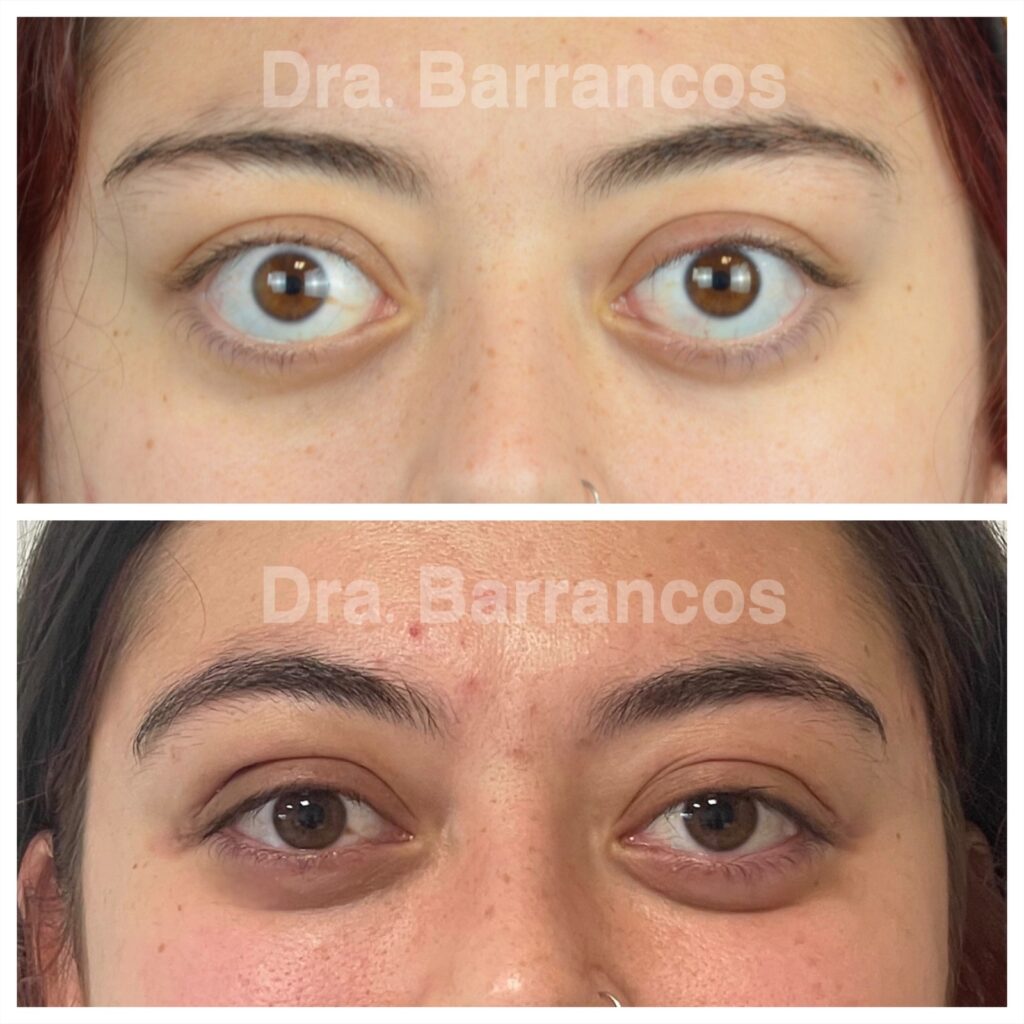
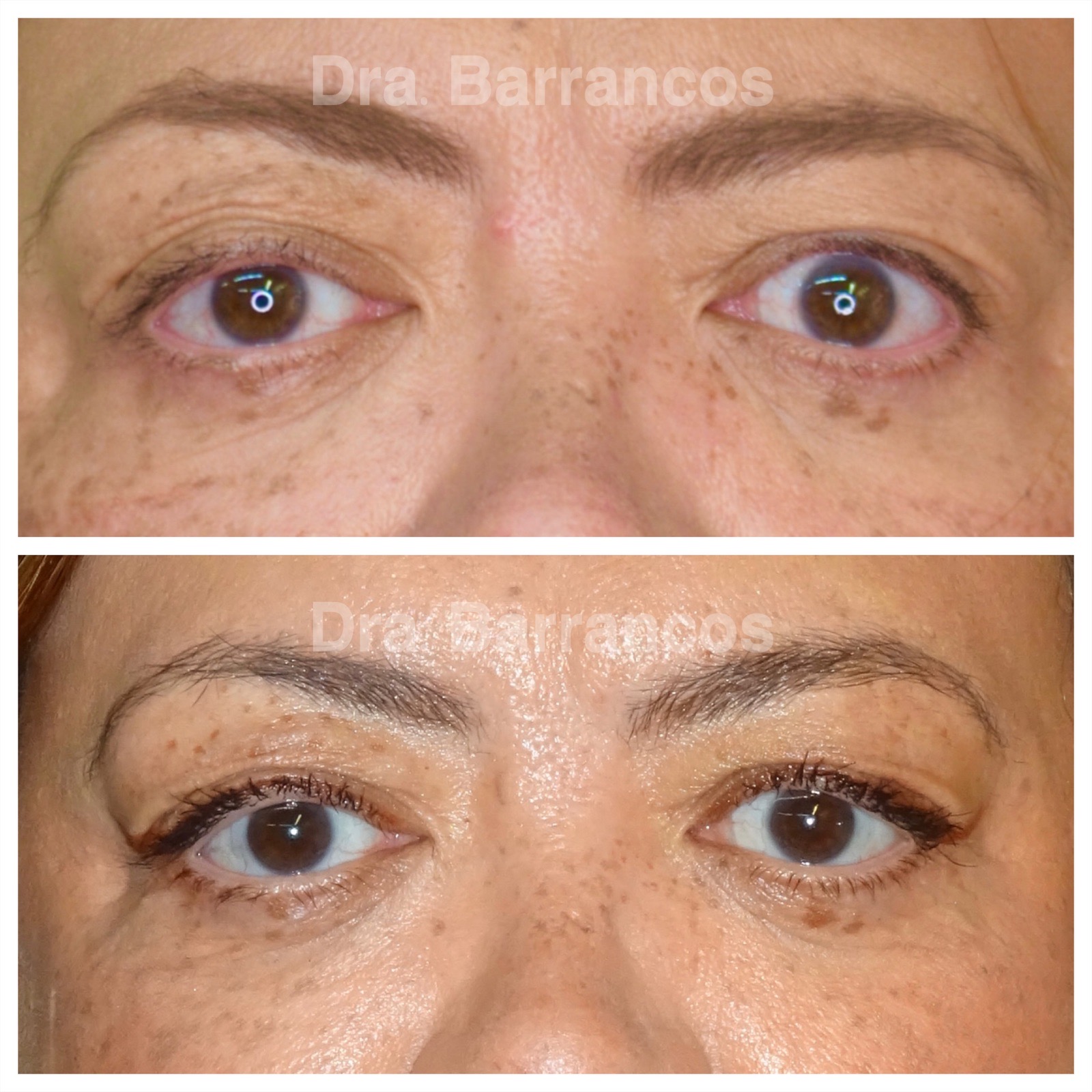
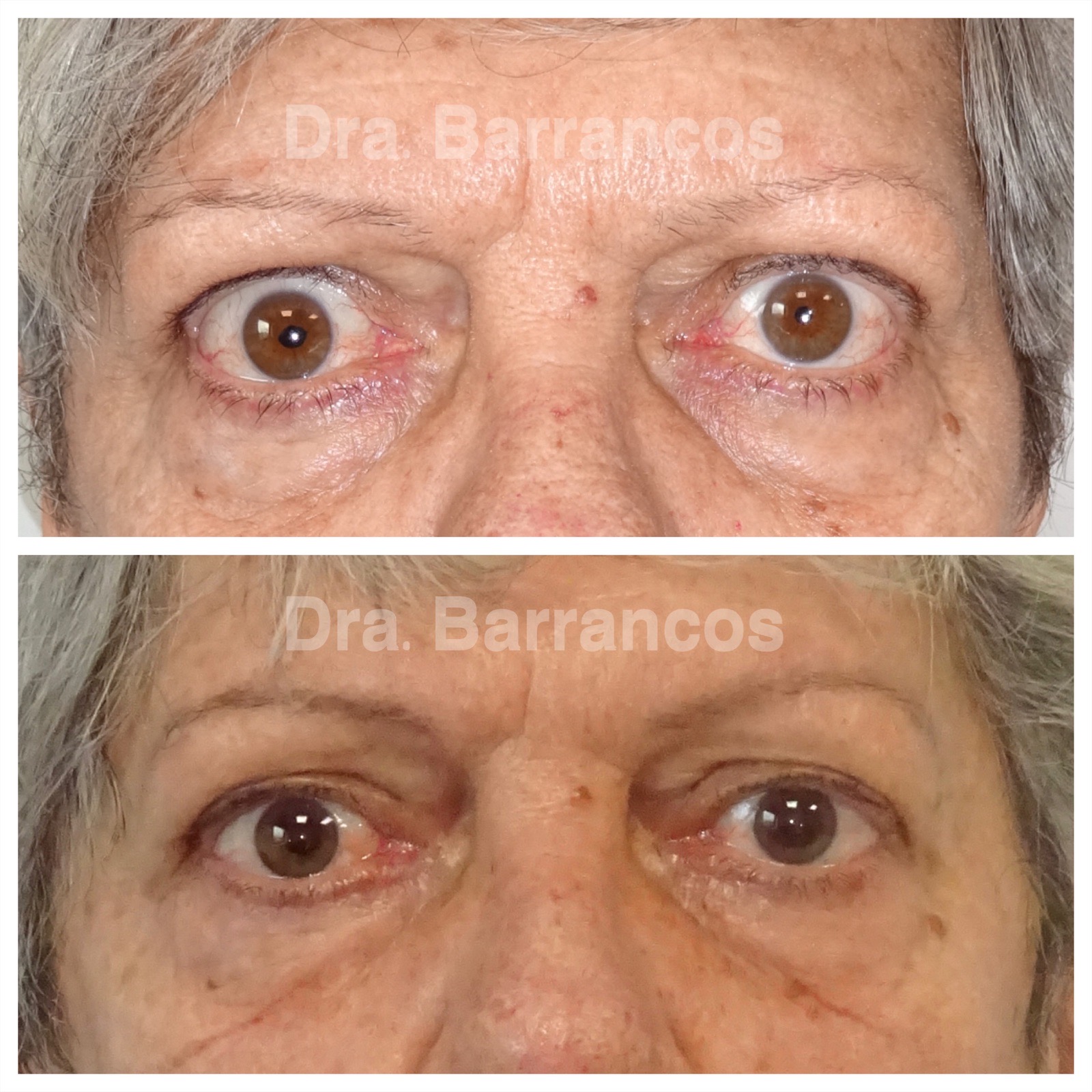
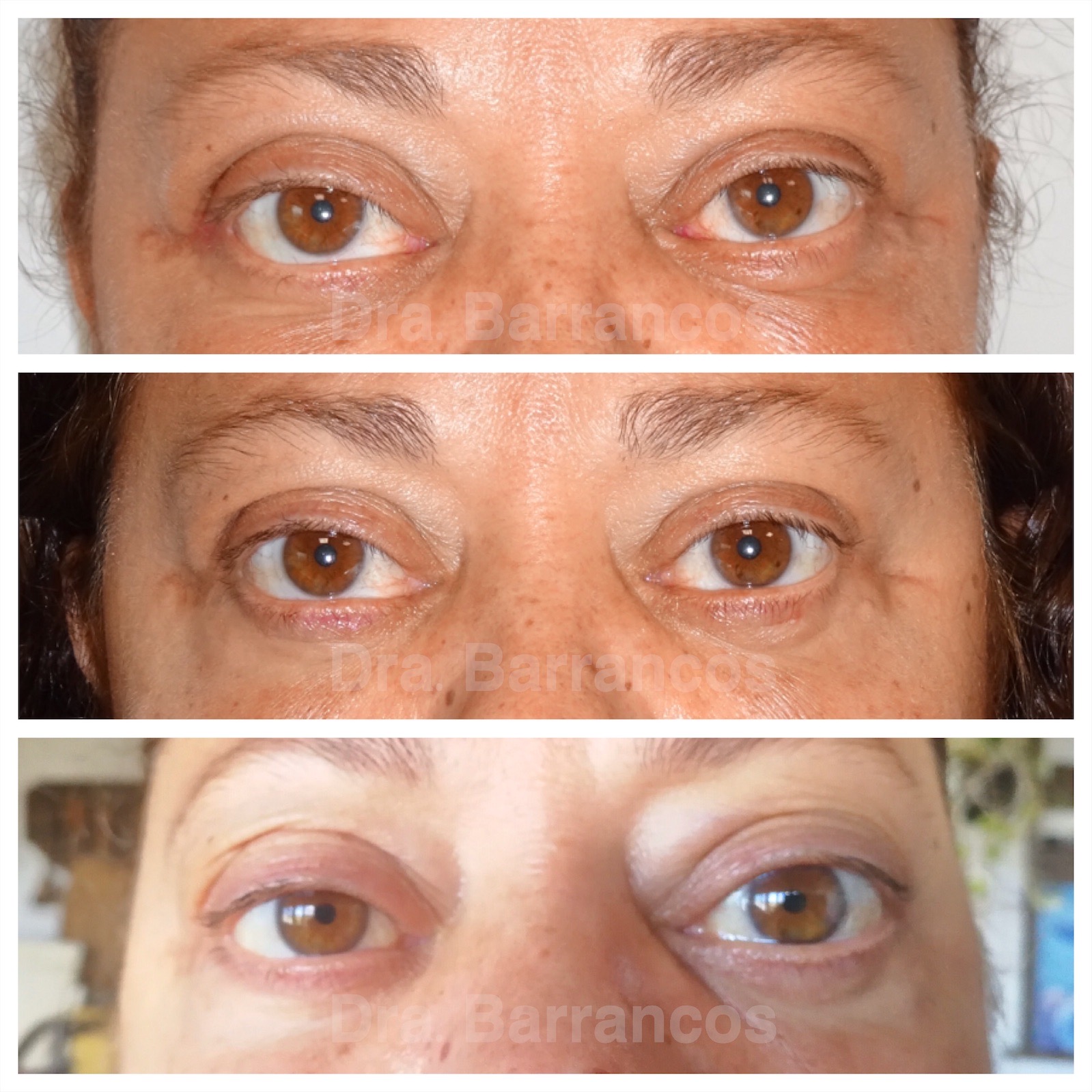
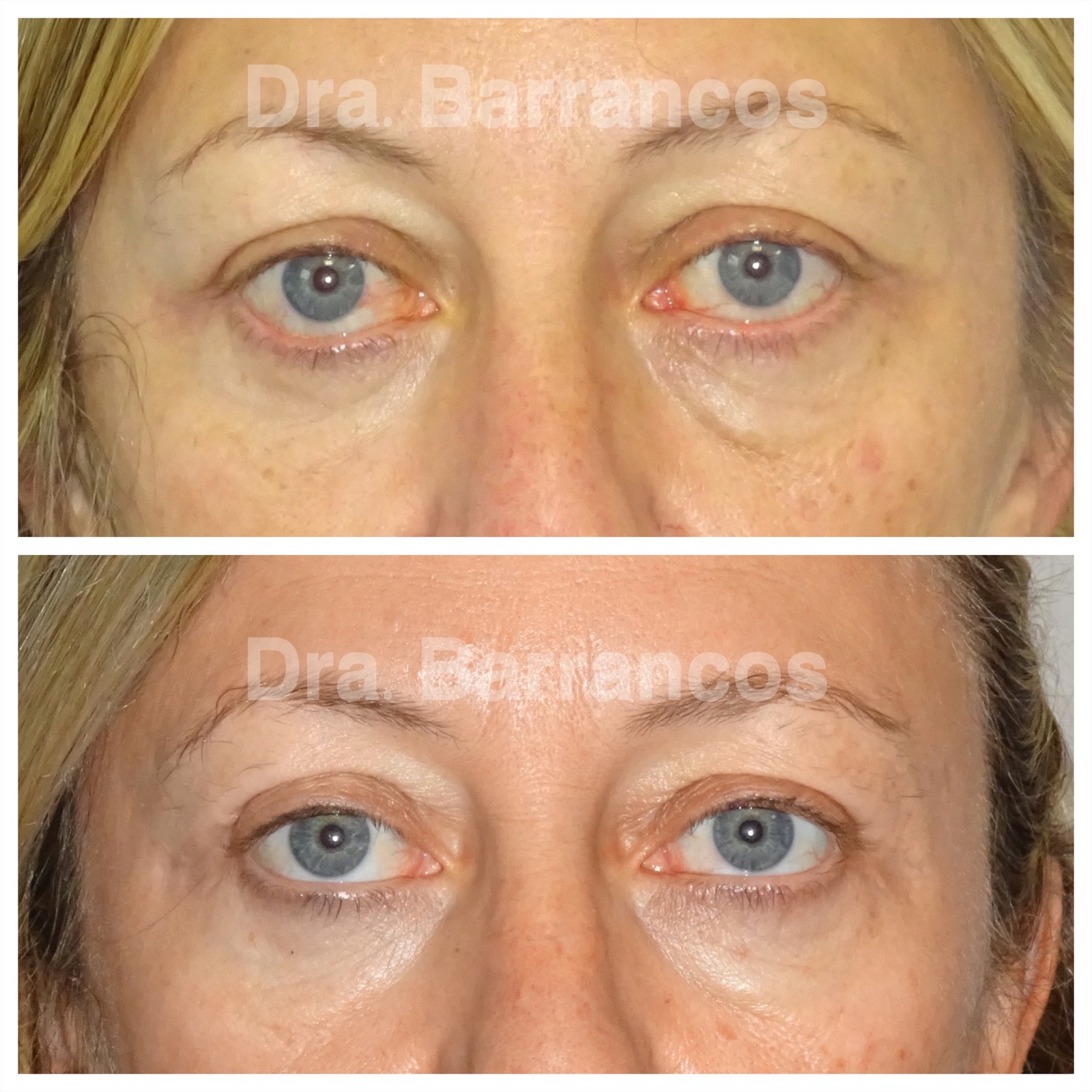
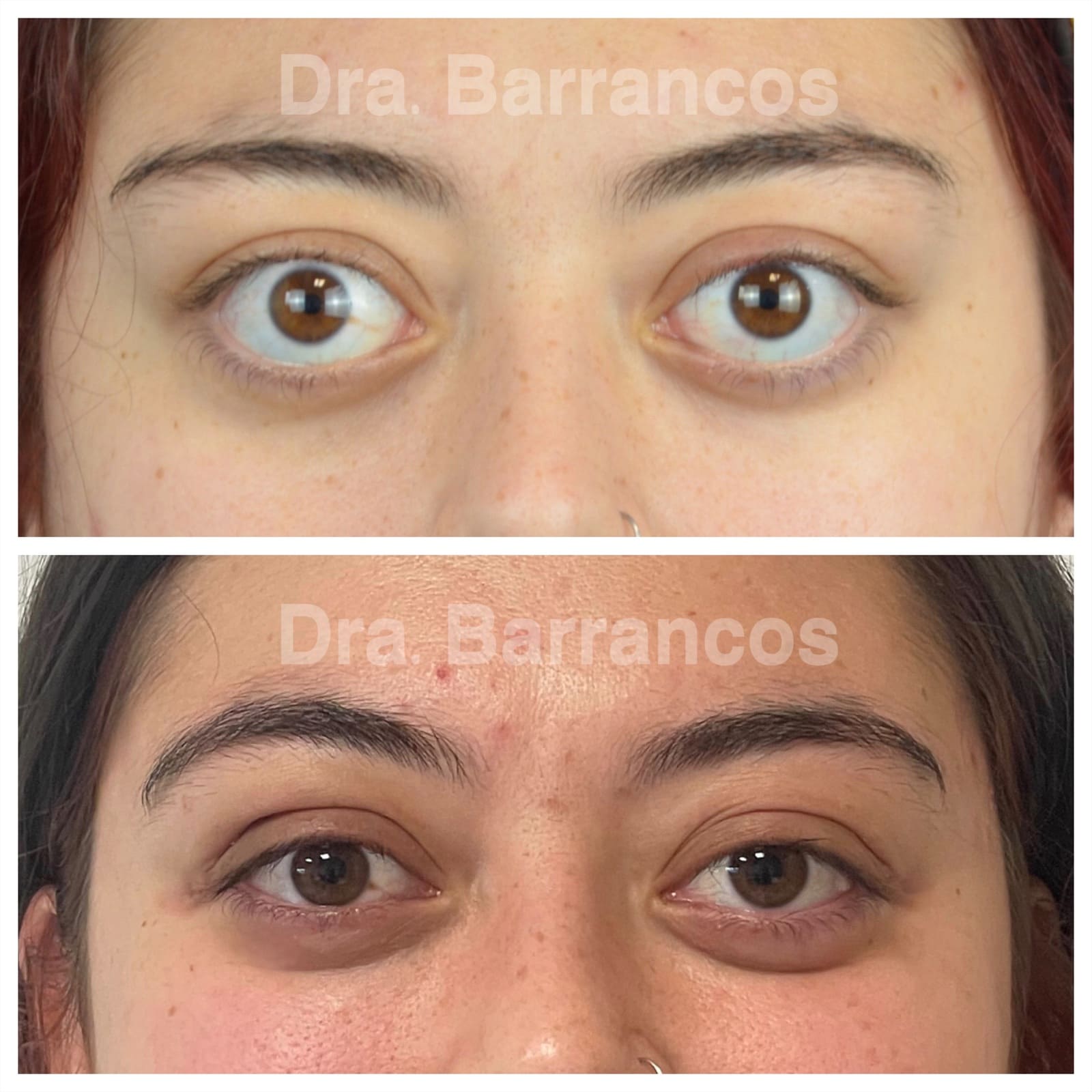
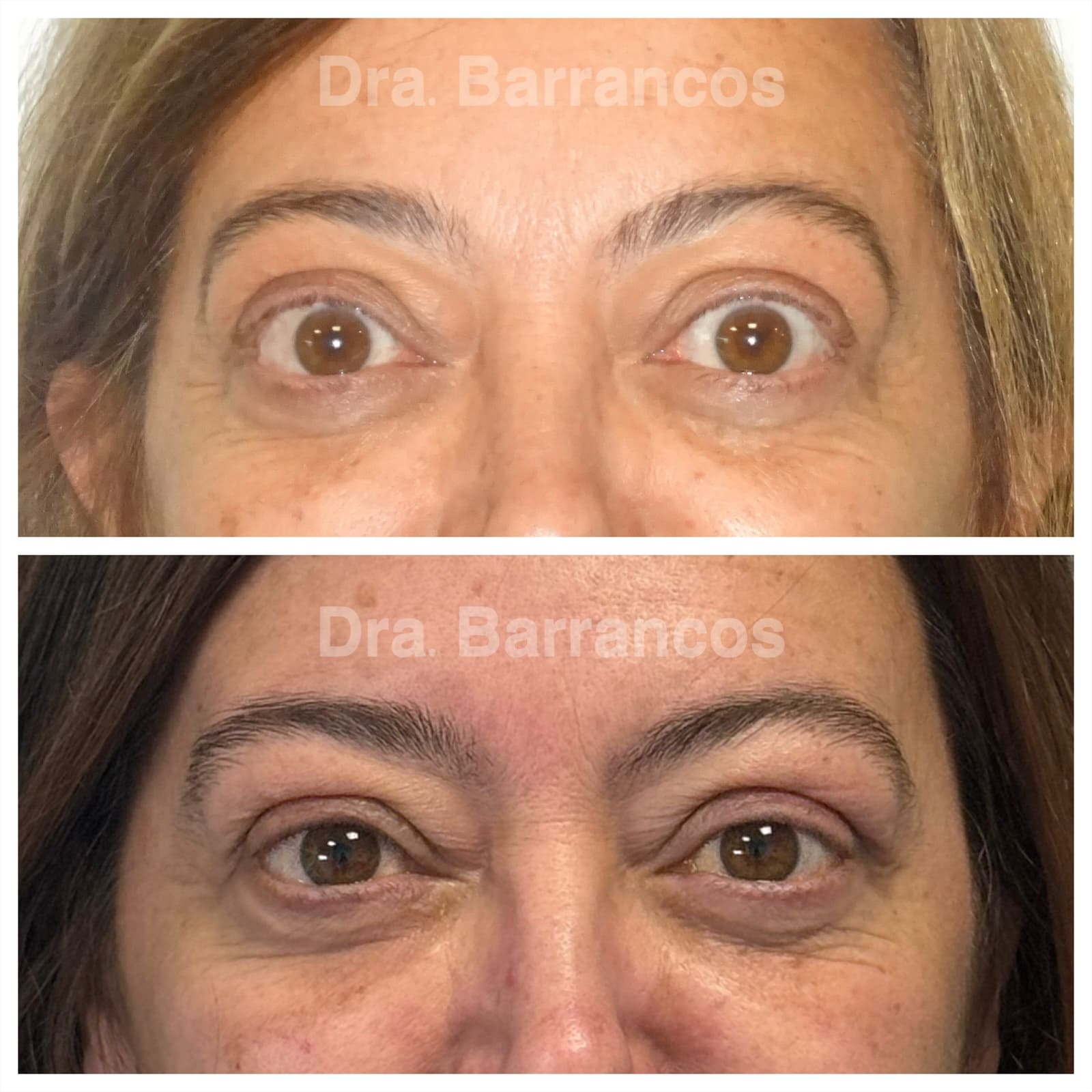
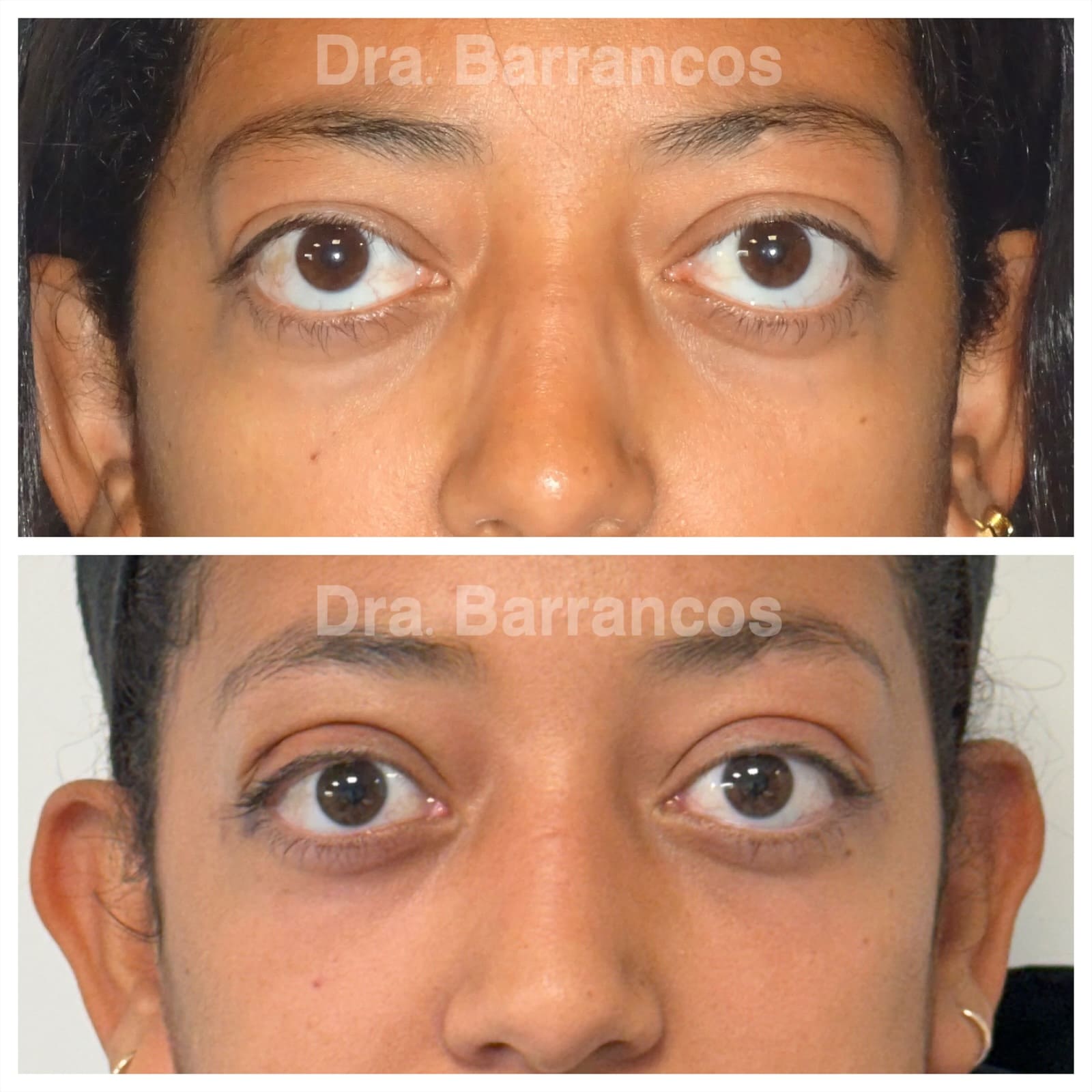
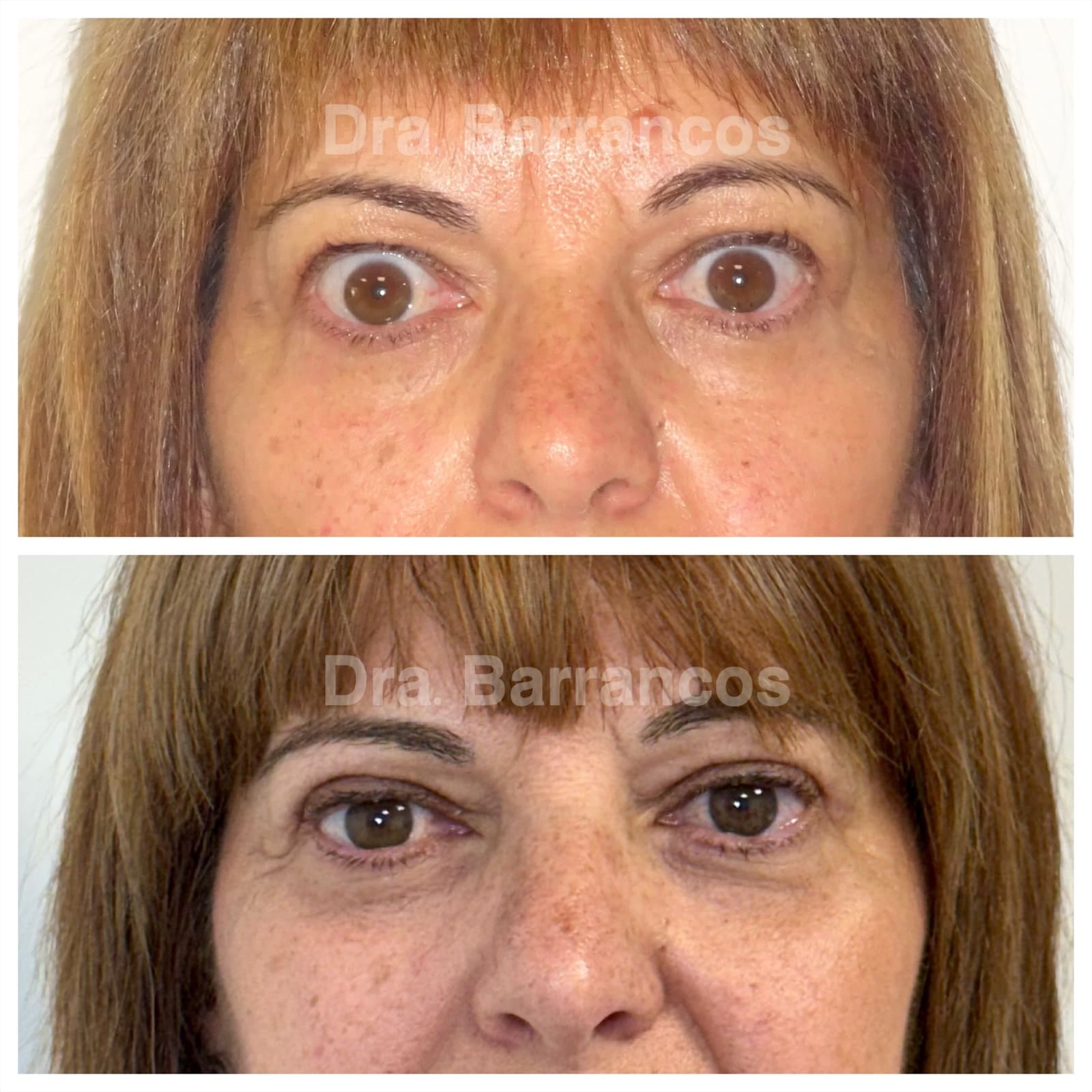
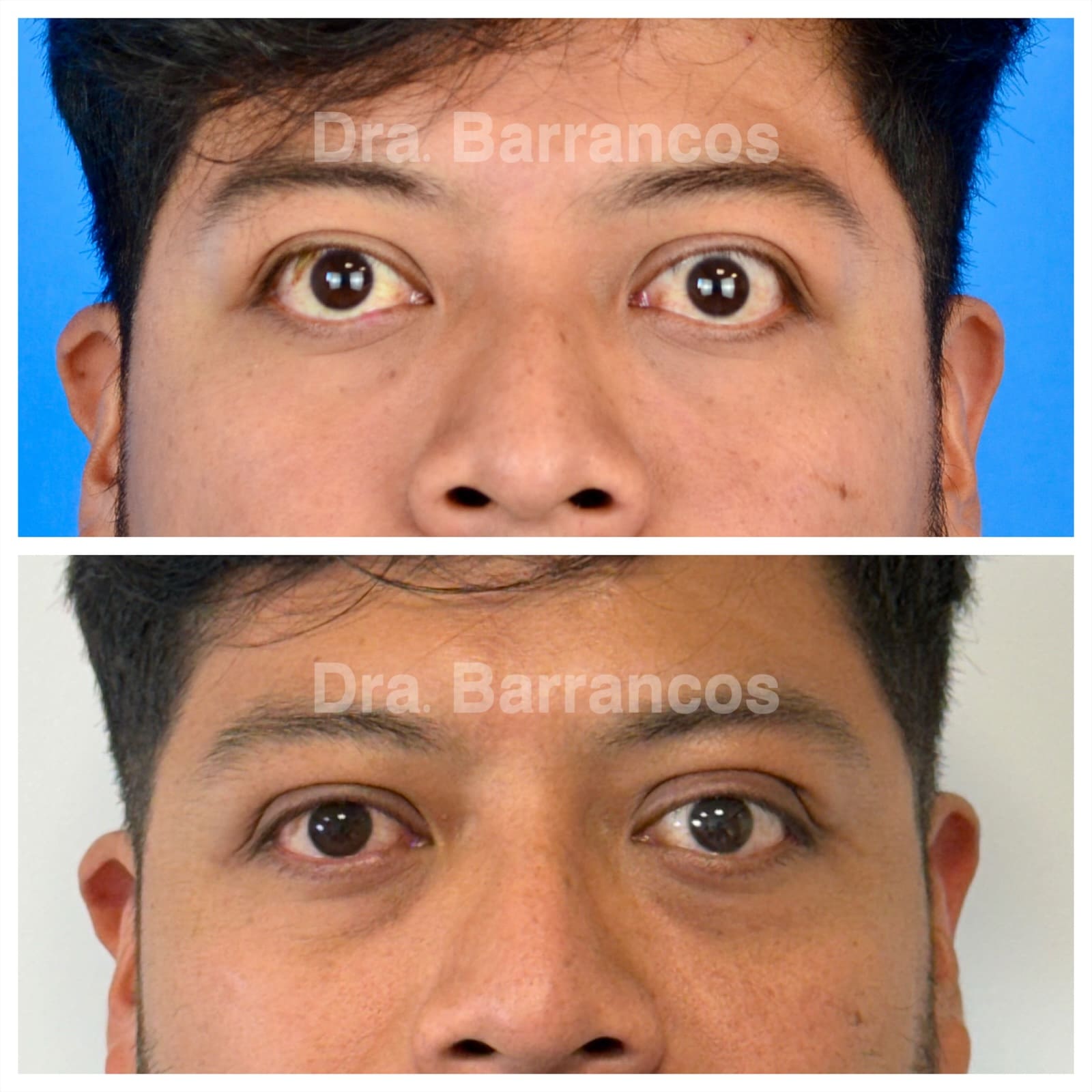
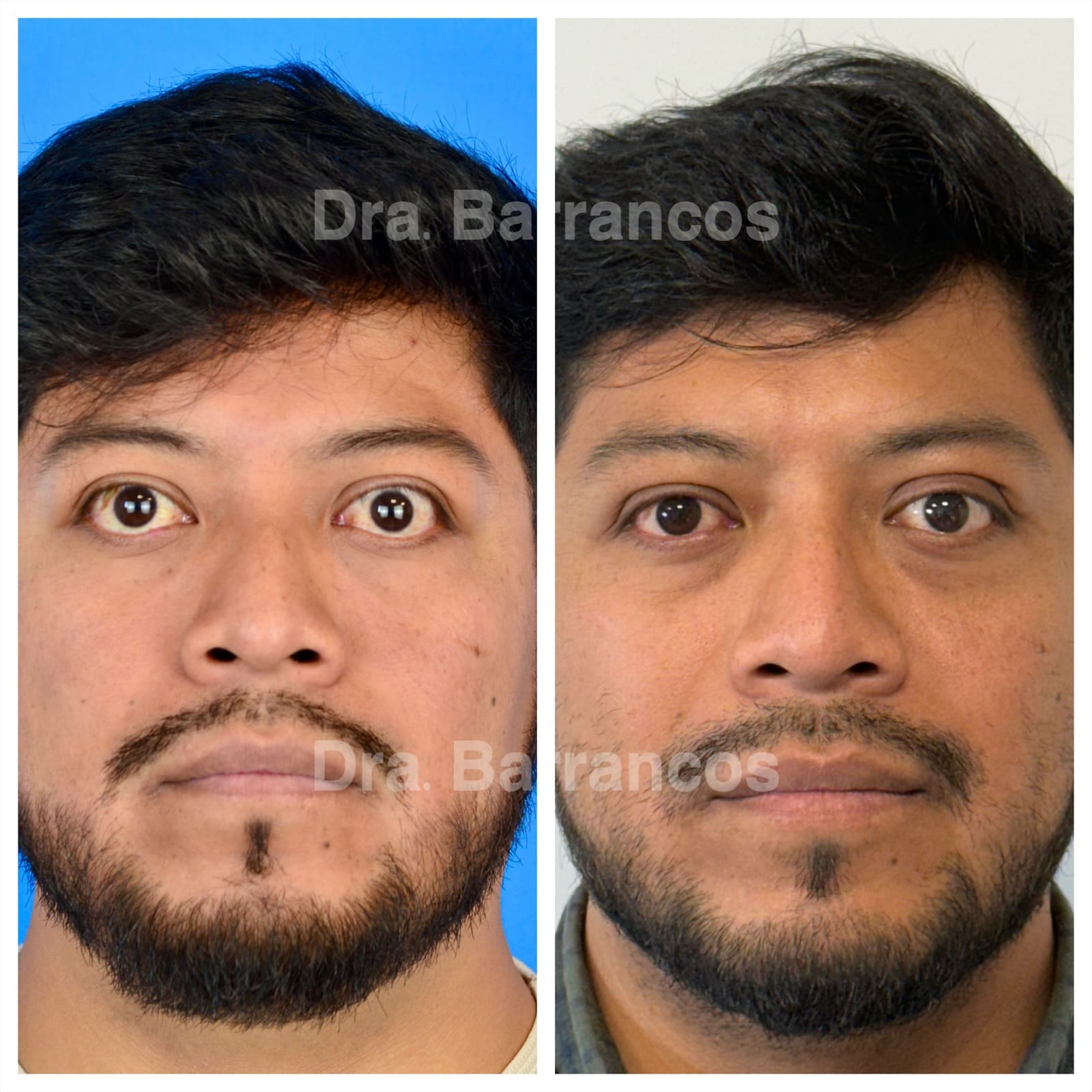
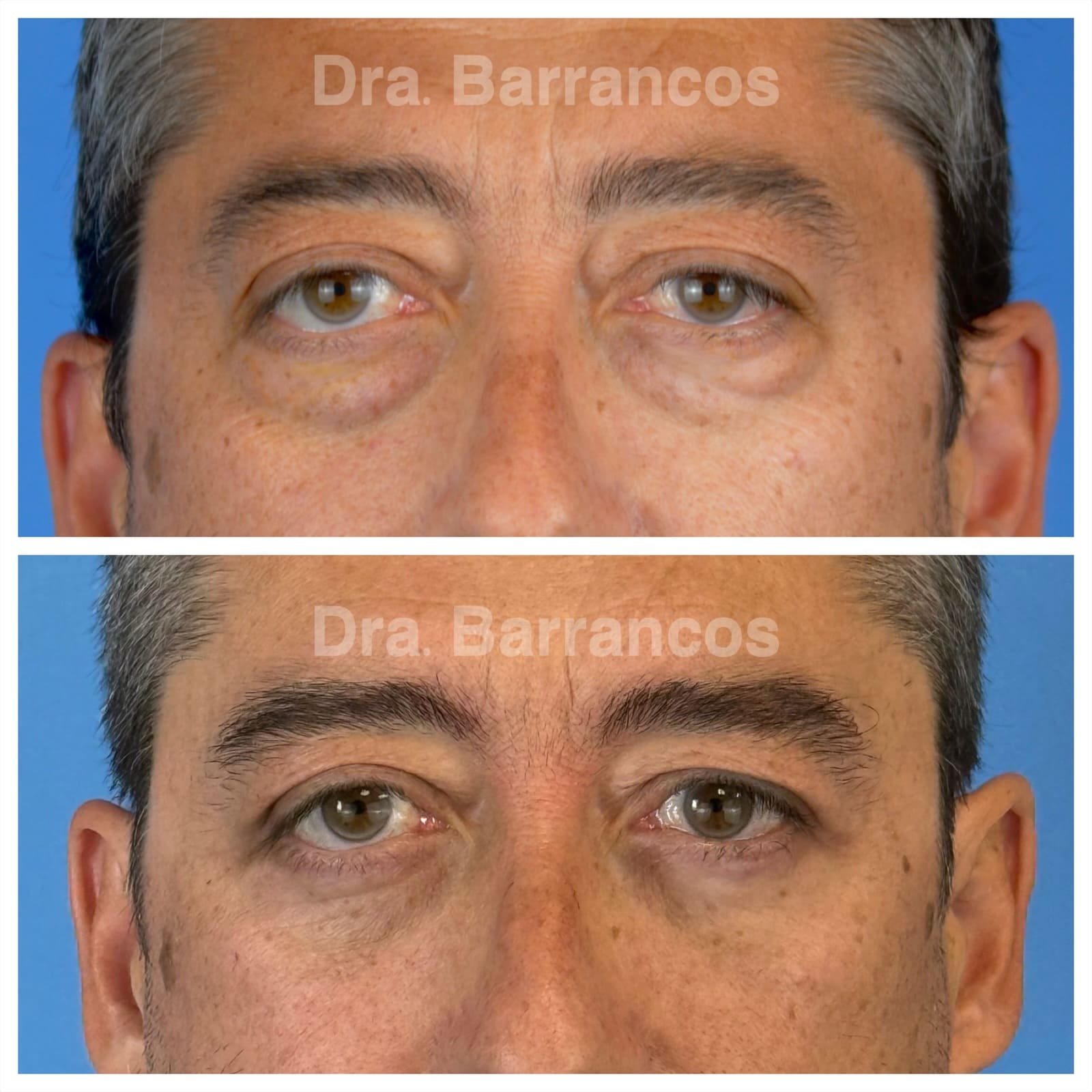
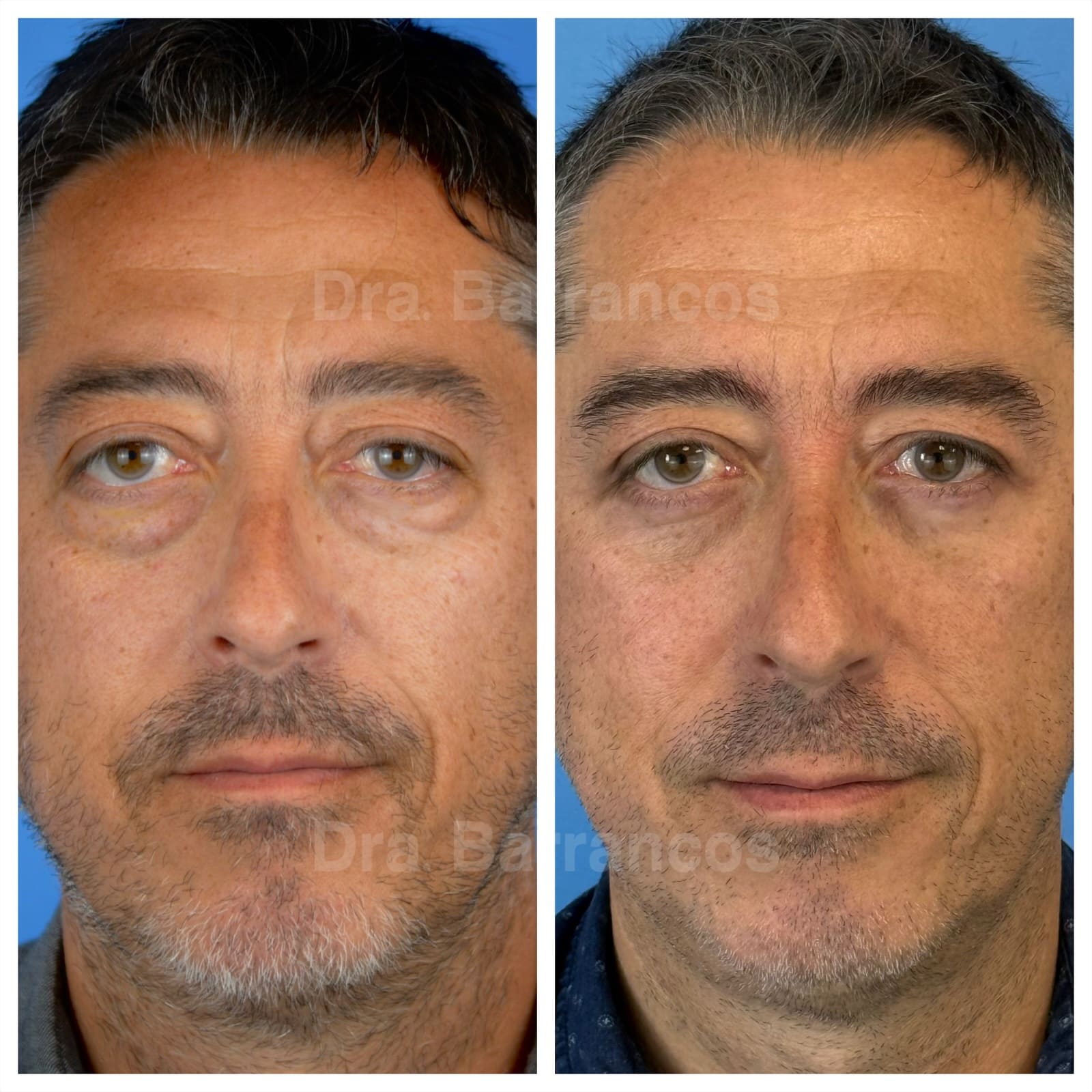
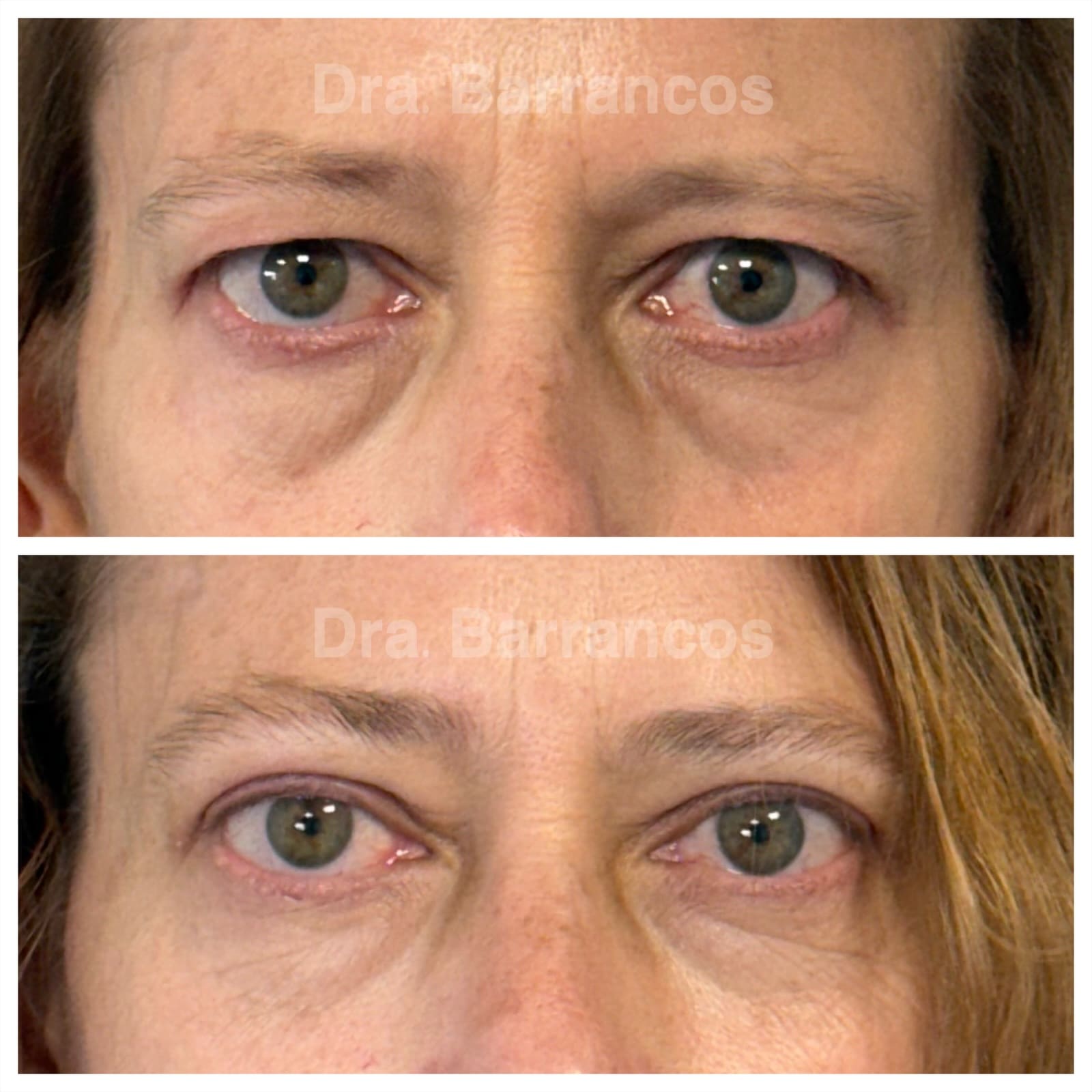
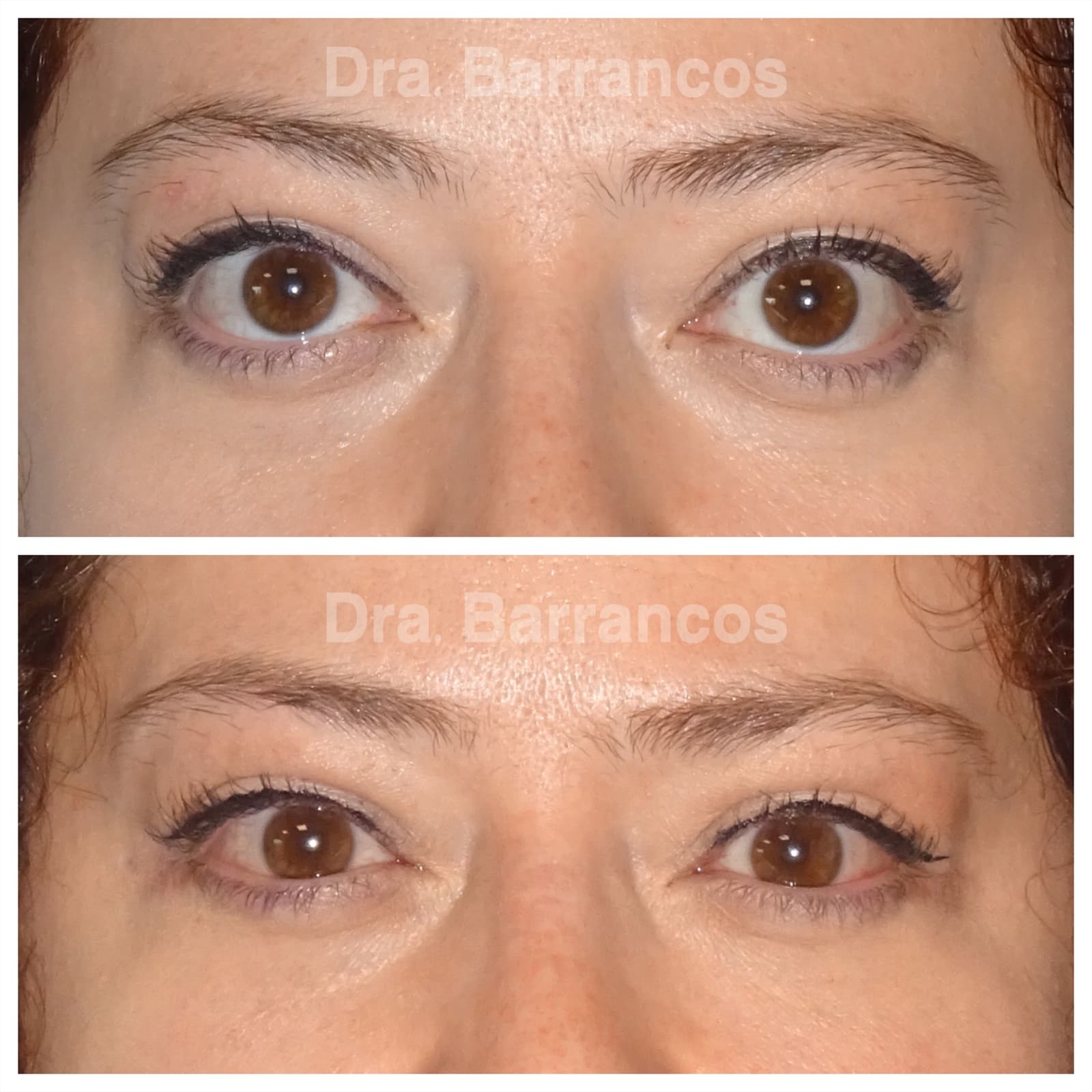
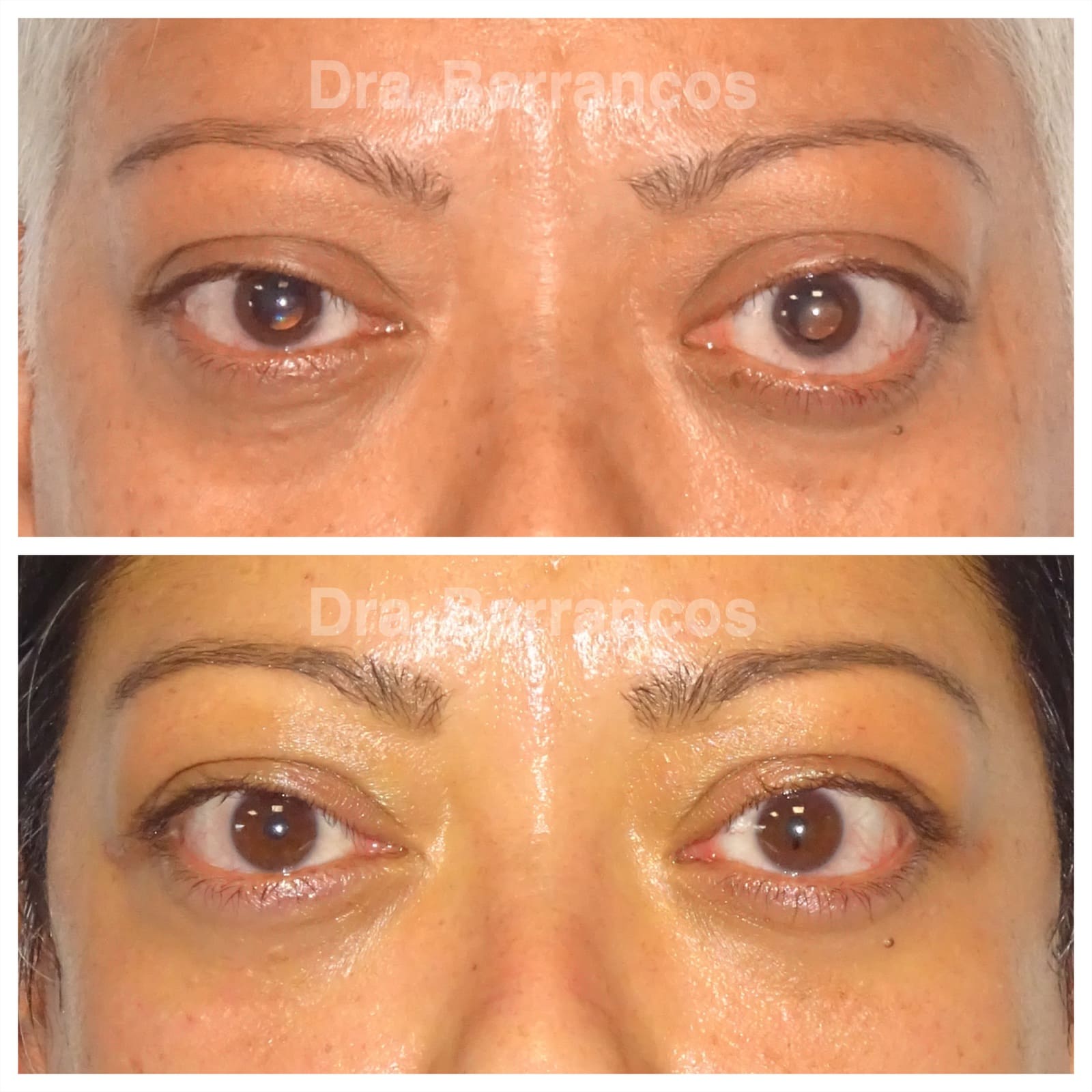
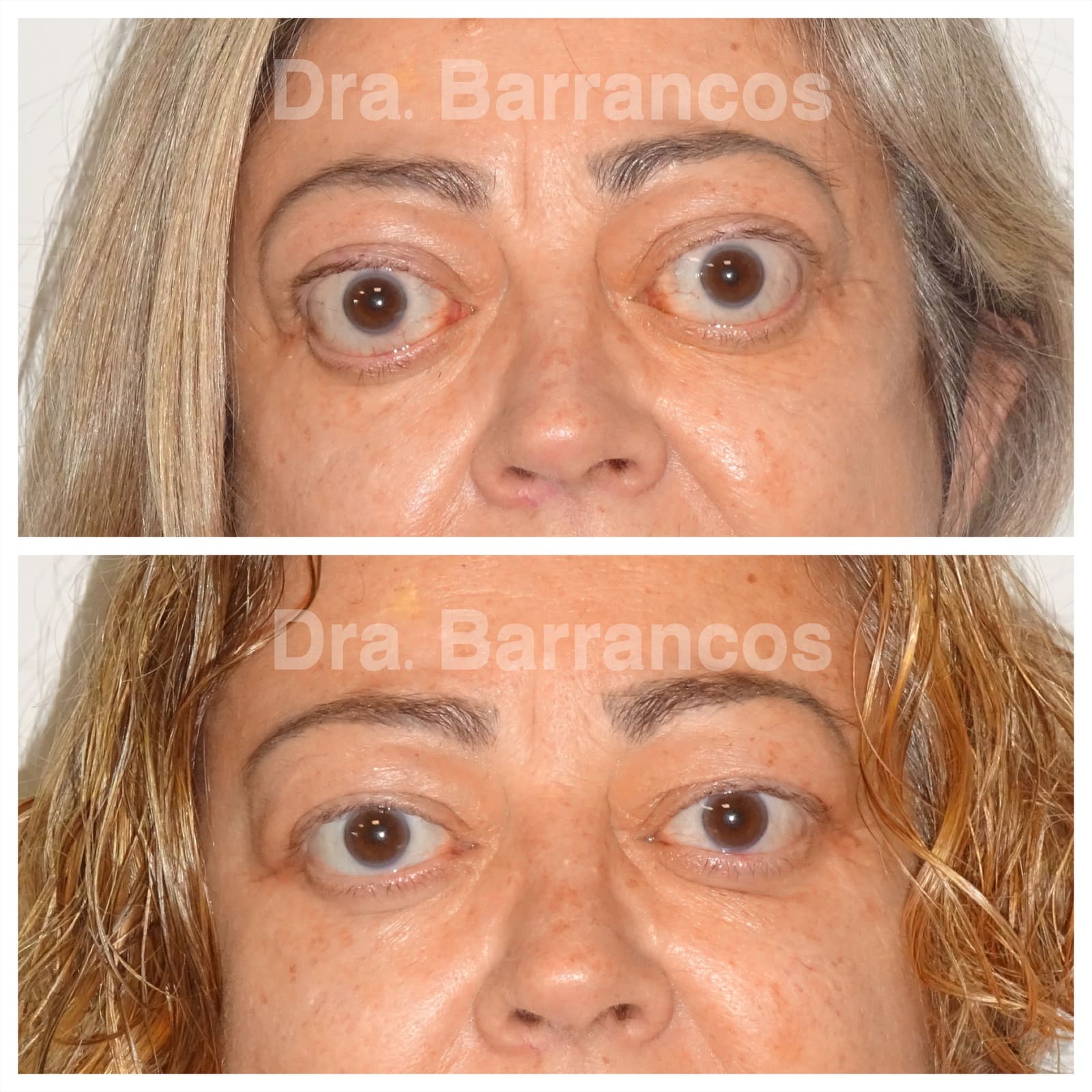
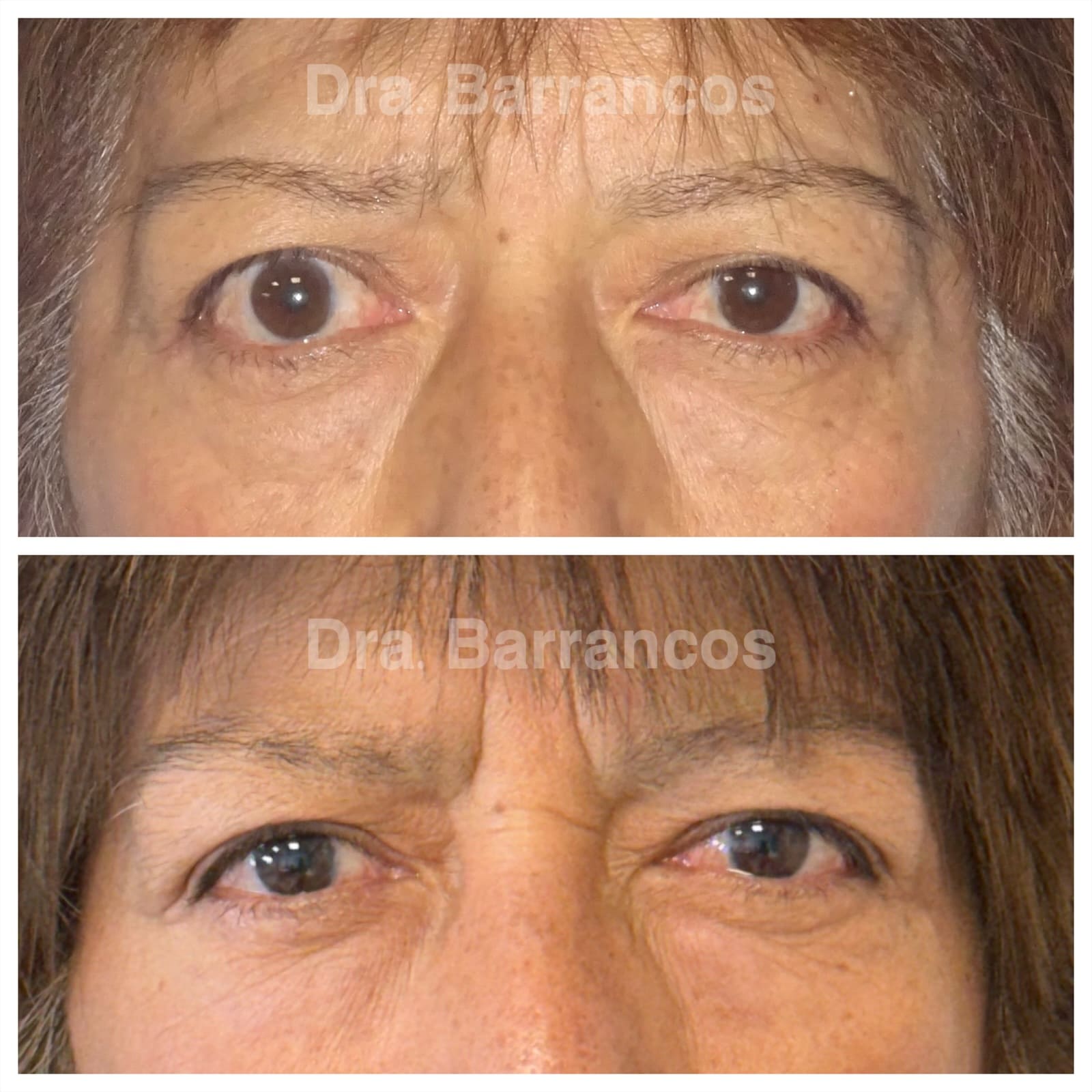
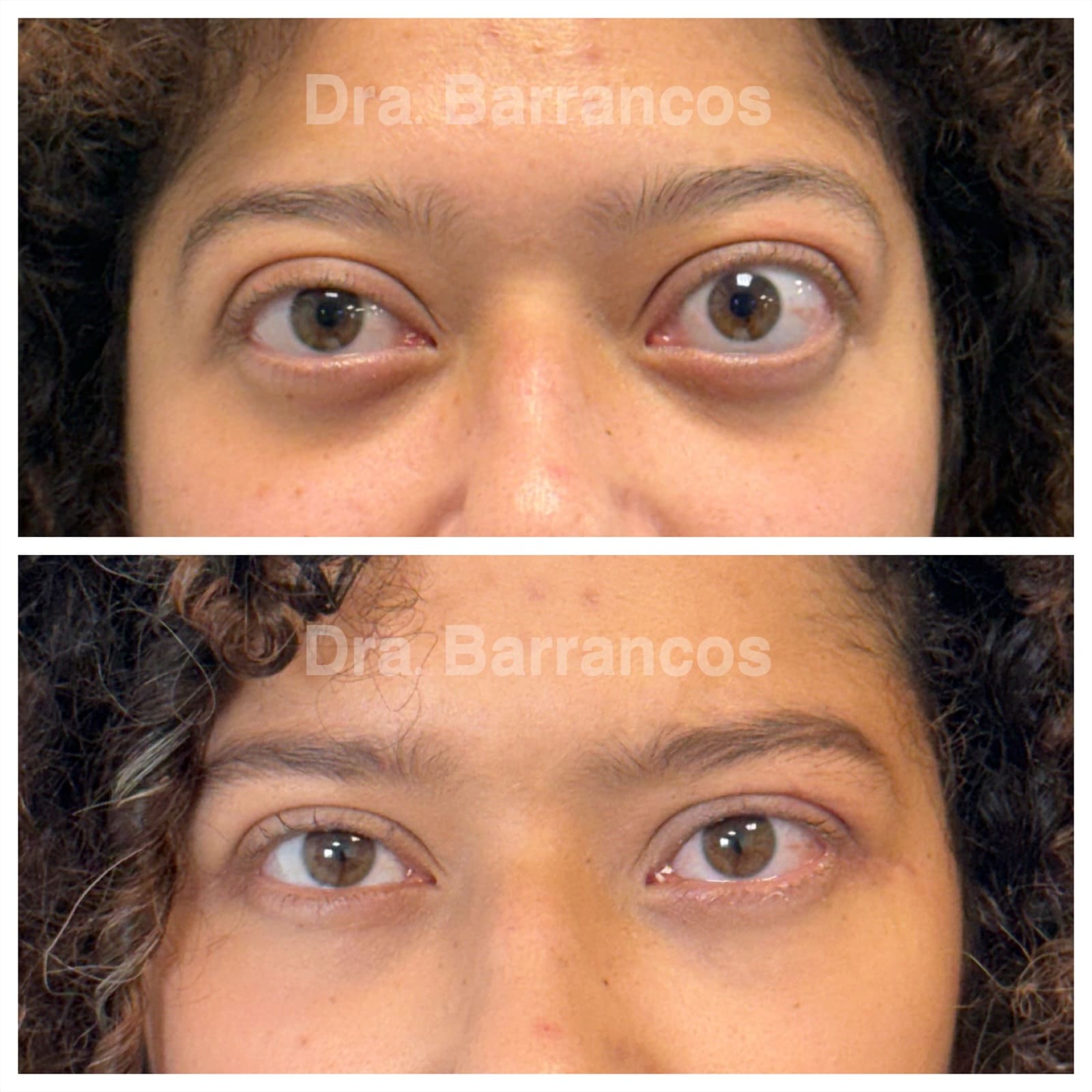
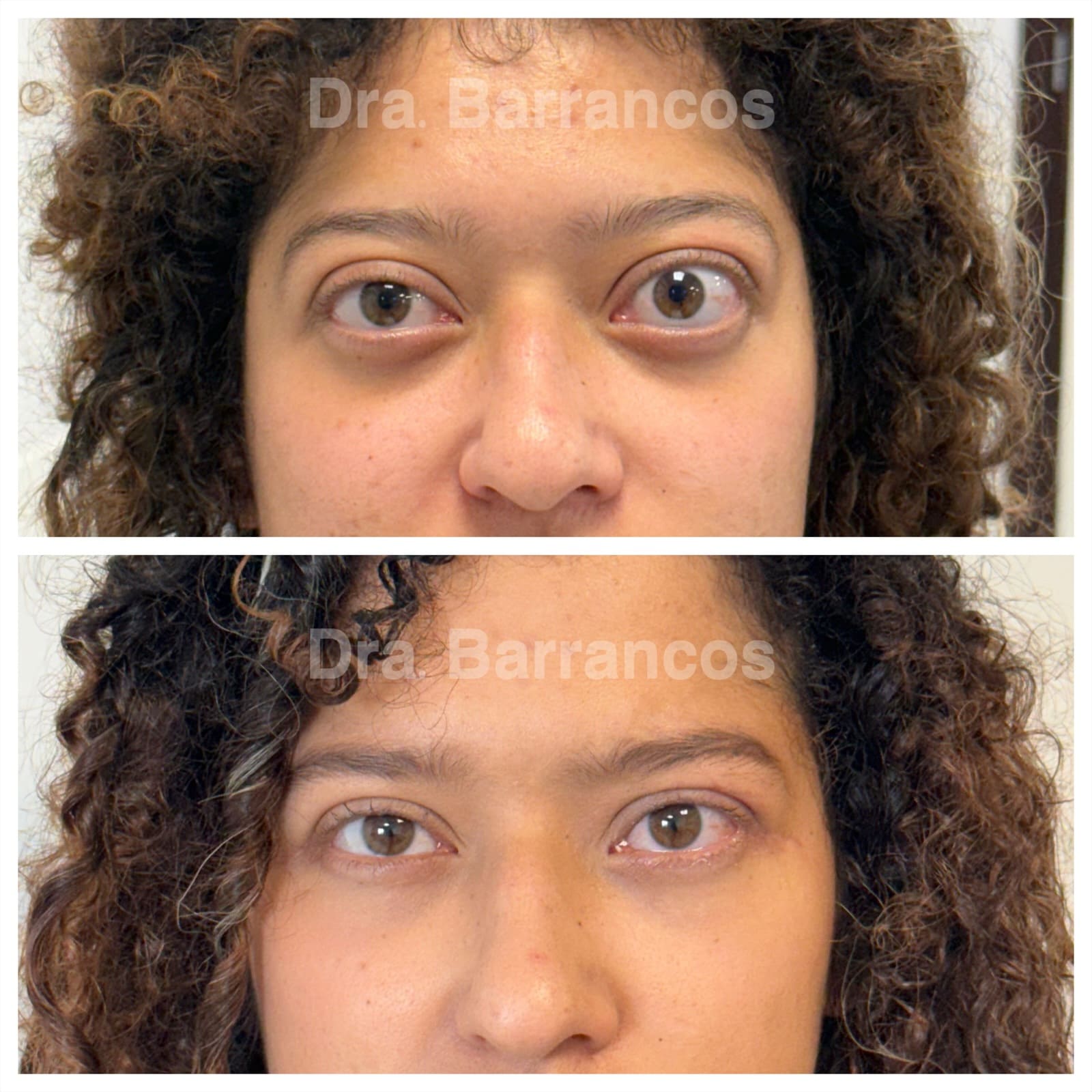
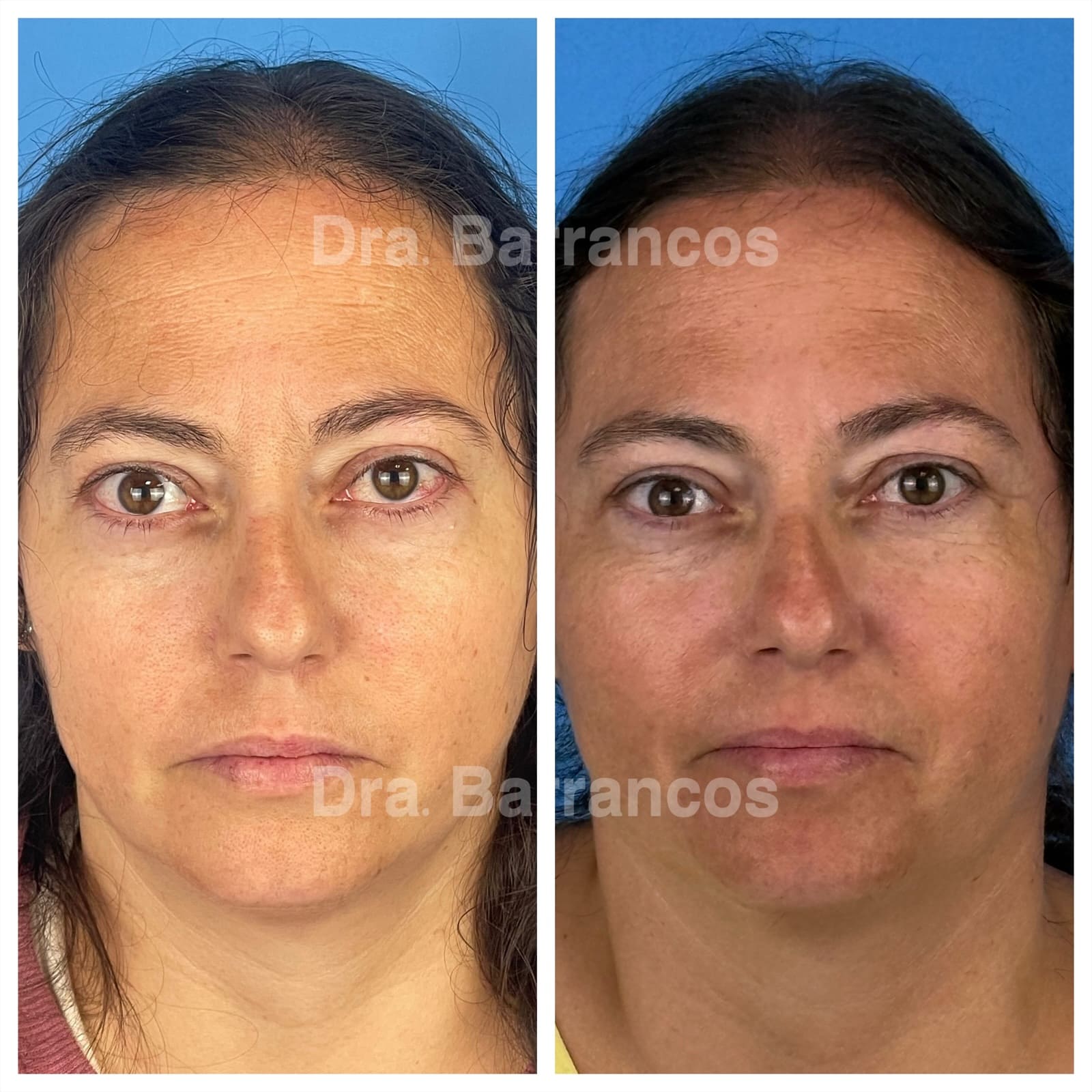
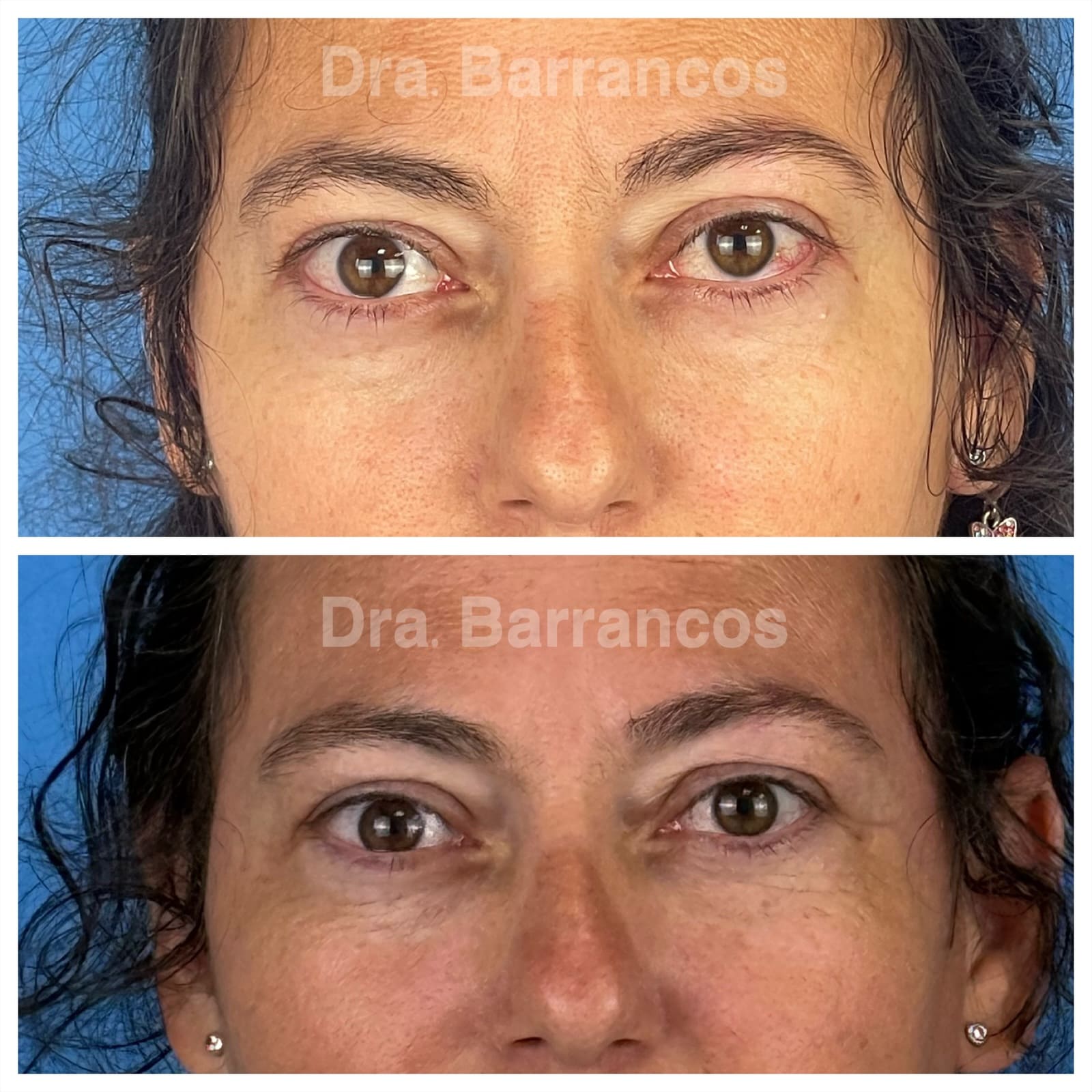
The results focus on both function and aesthetics, with the goal of protecting the cornea and vision, reducing pressure, irritation, and double vision, and restoring a natural and symmetrical appearance.
BEFORE AND AFTER
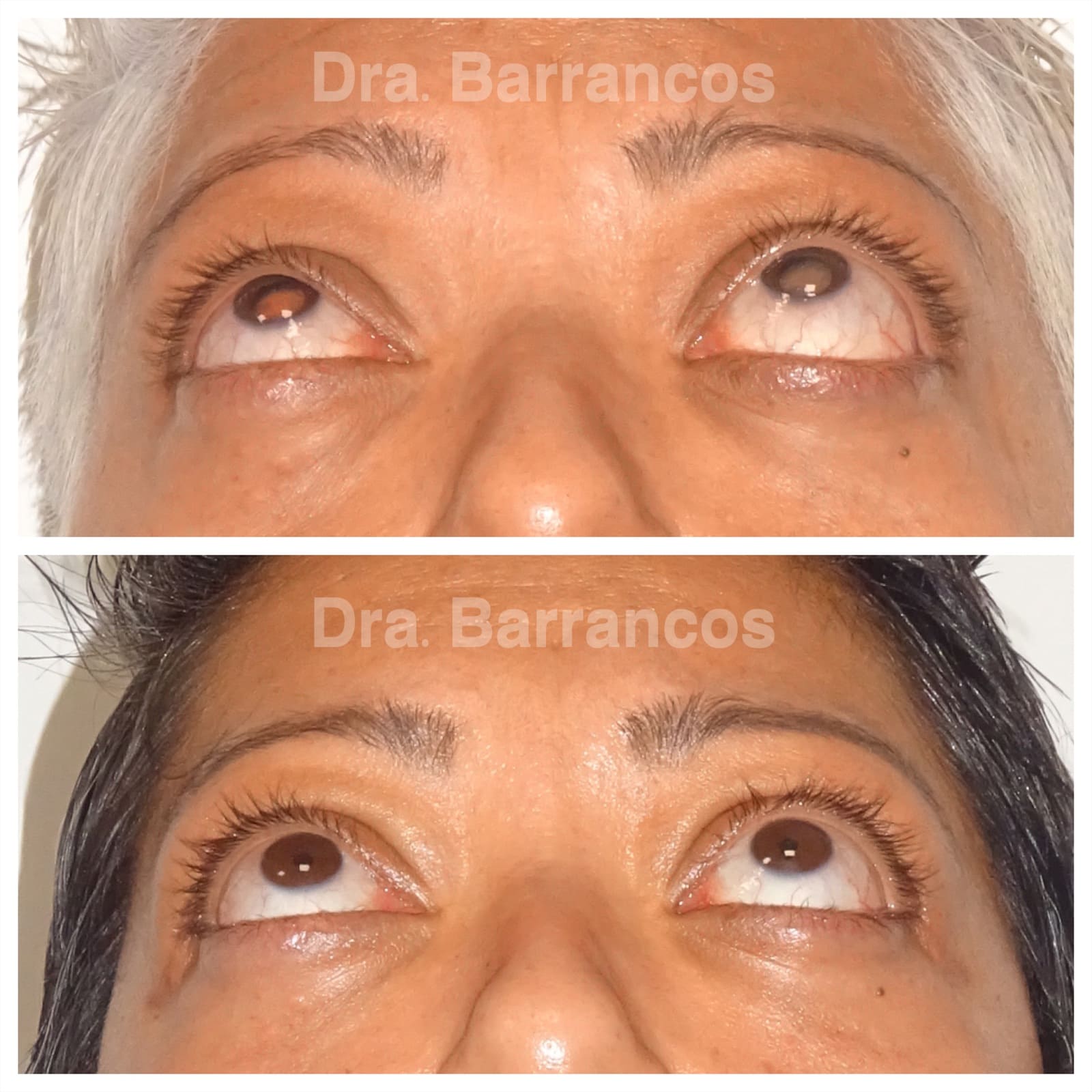
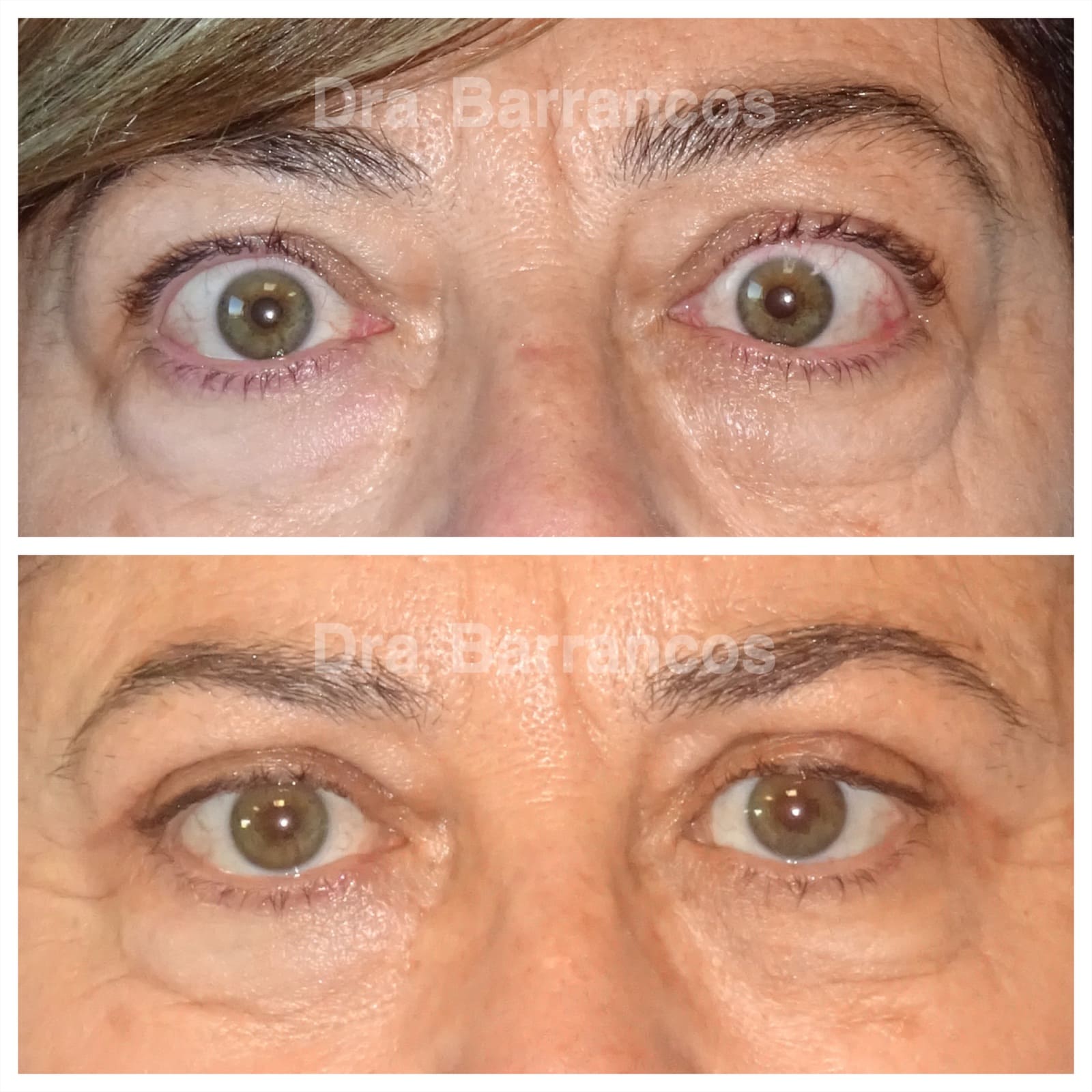
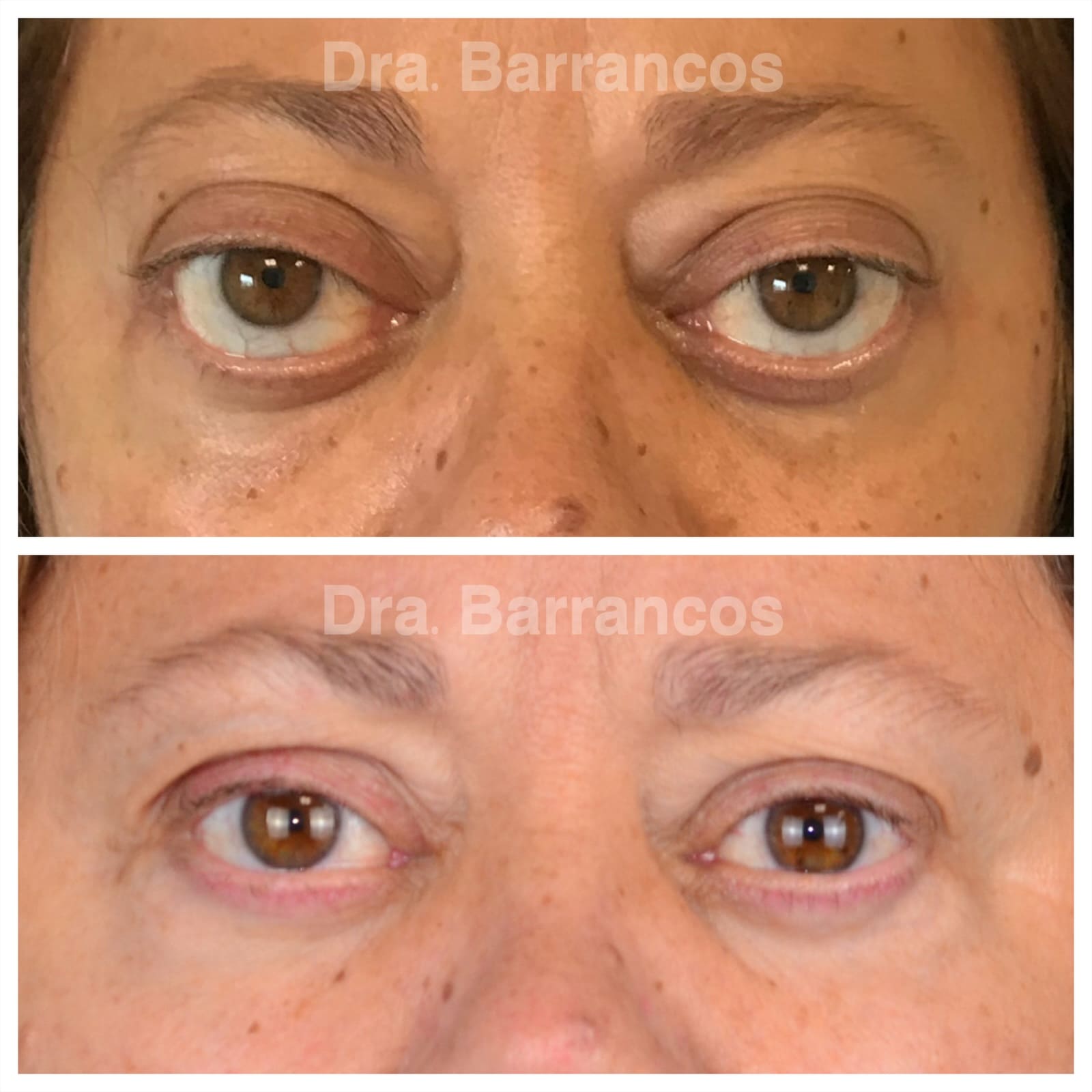
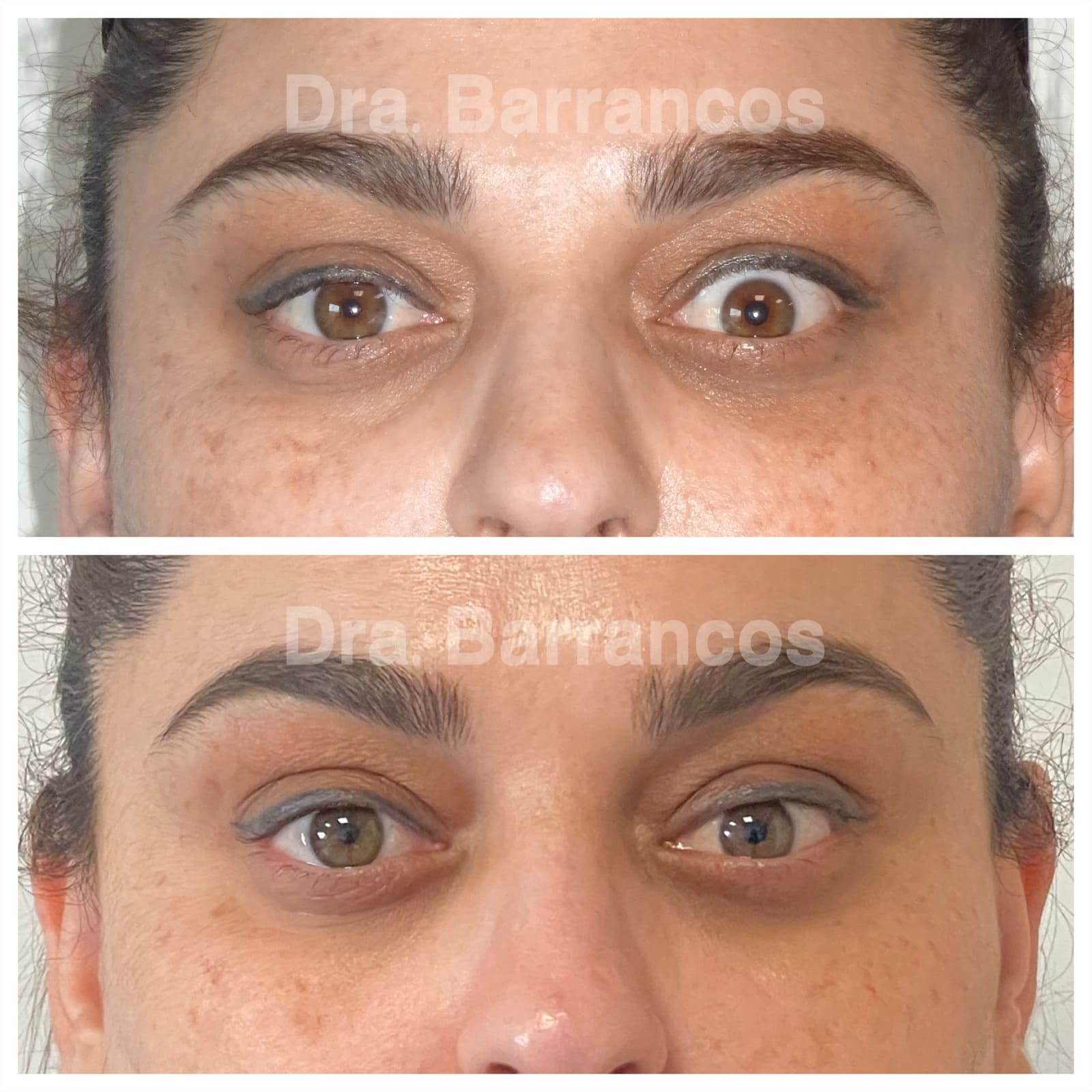
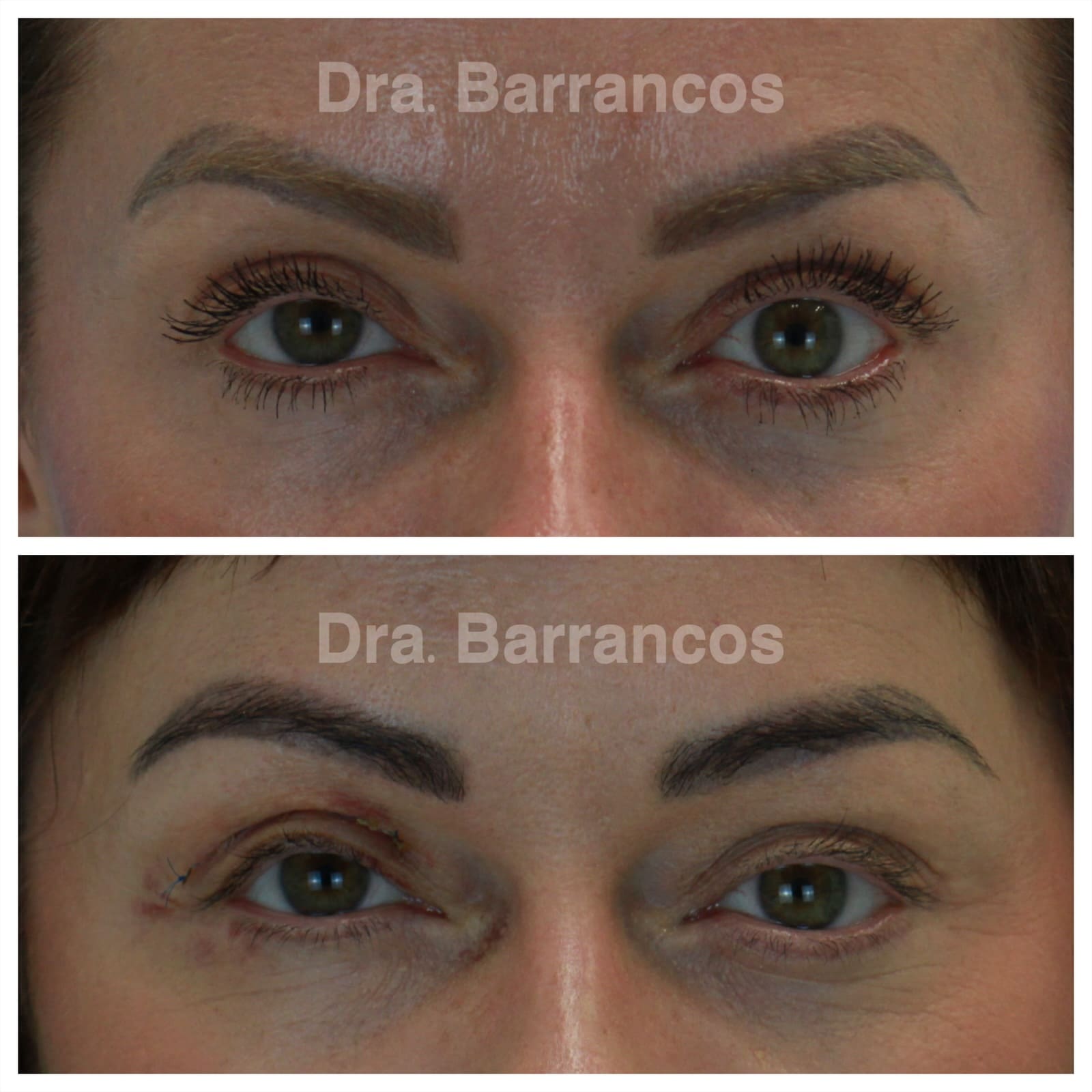
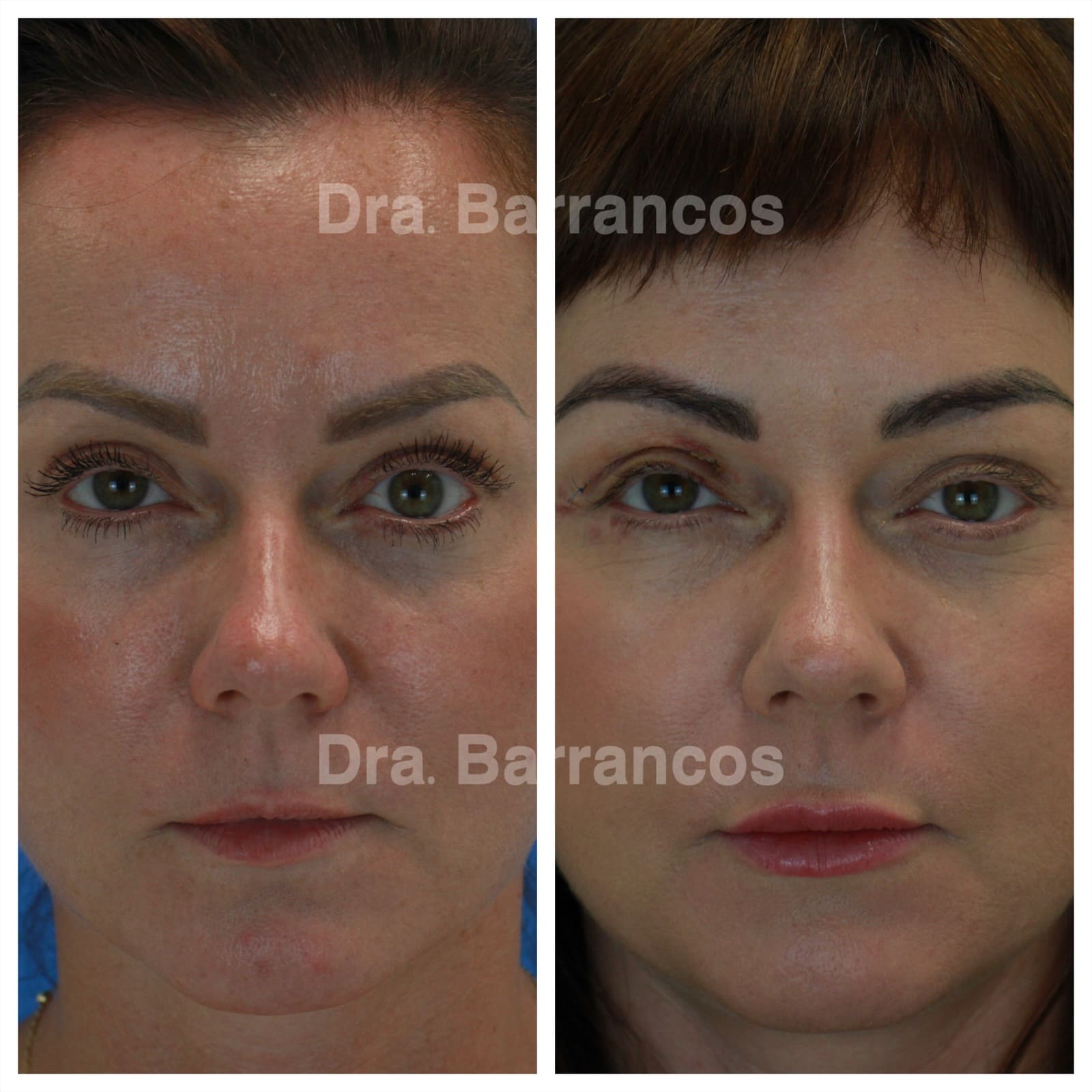
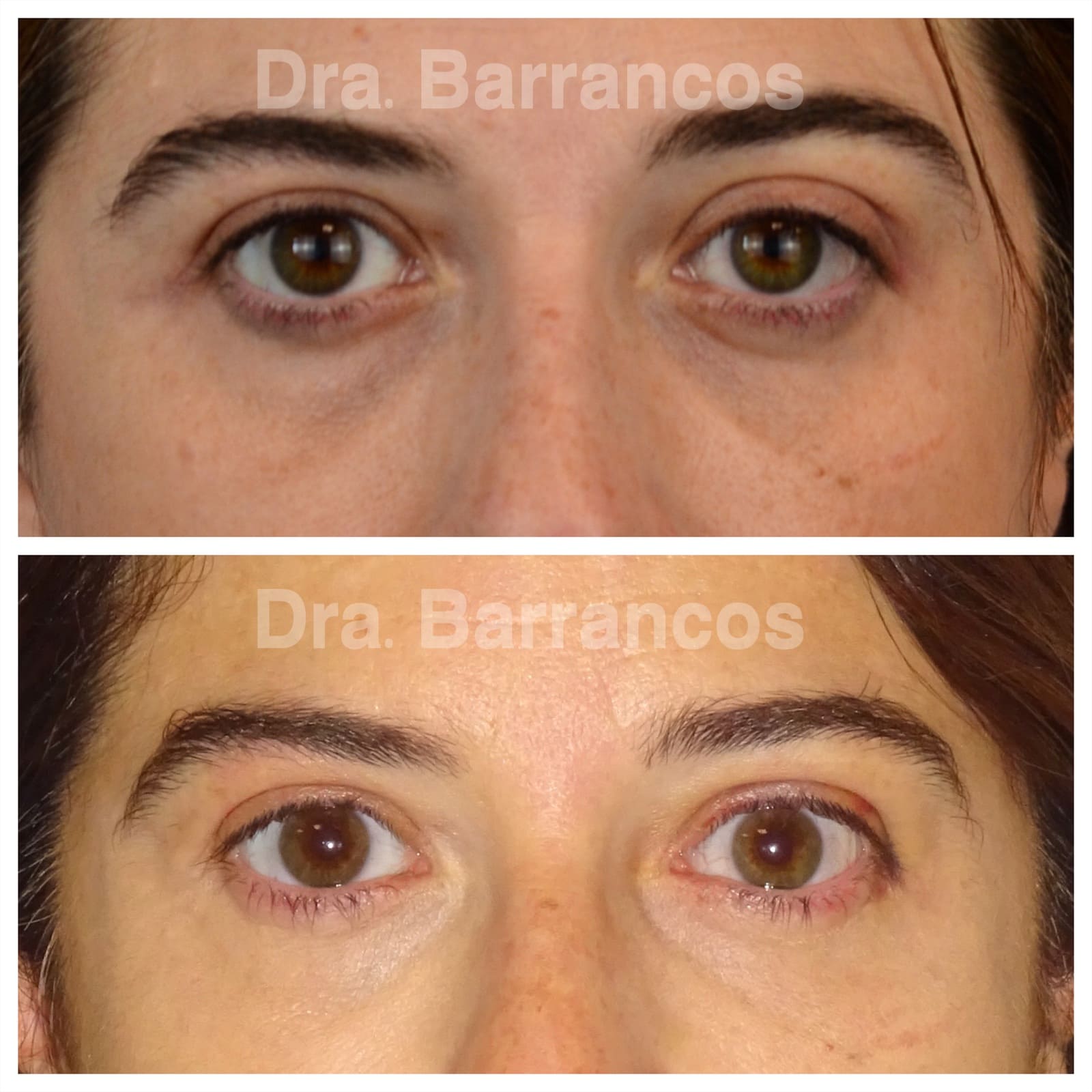
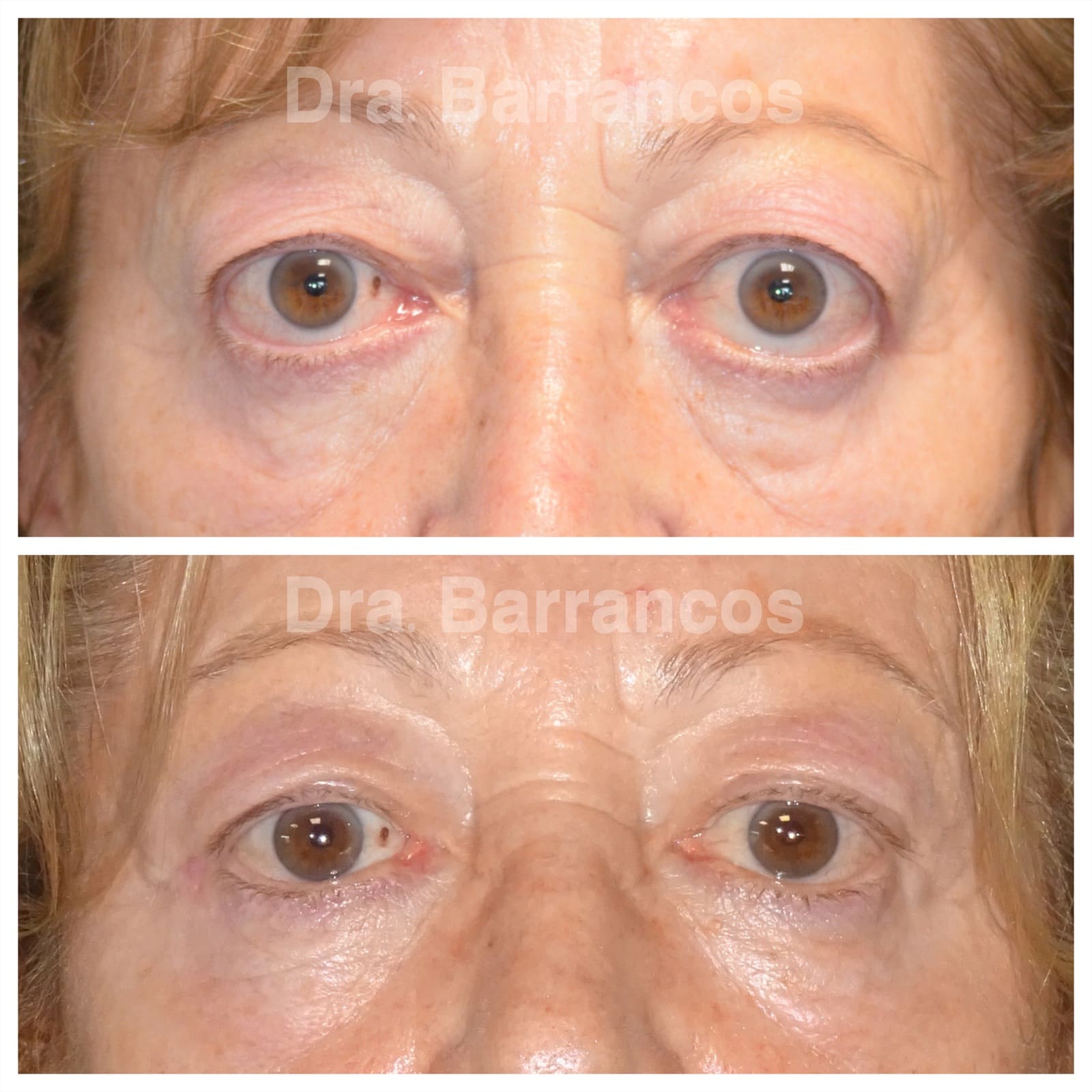
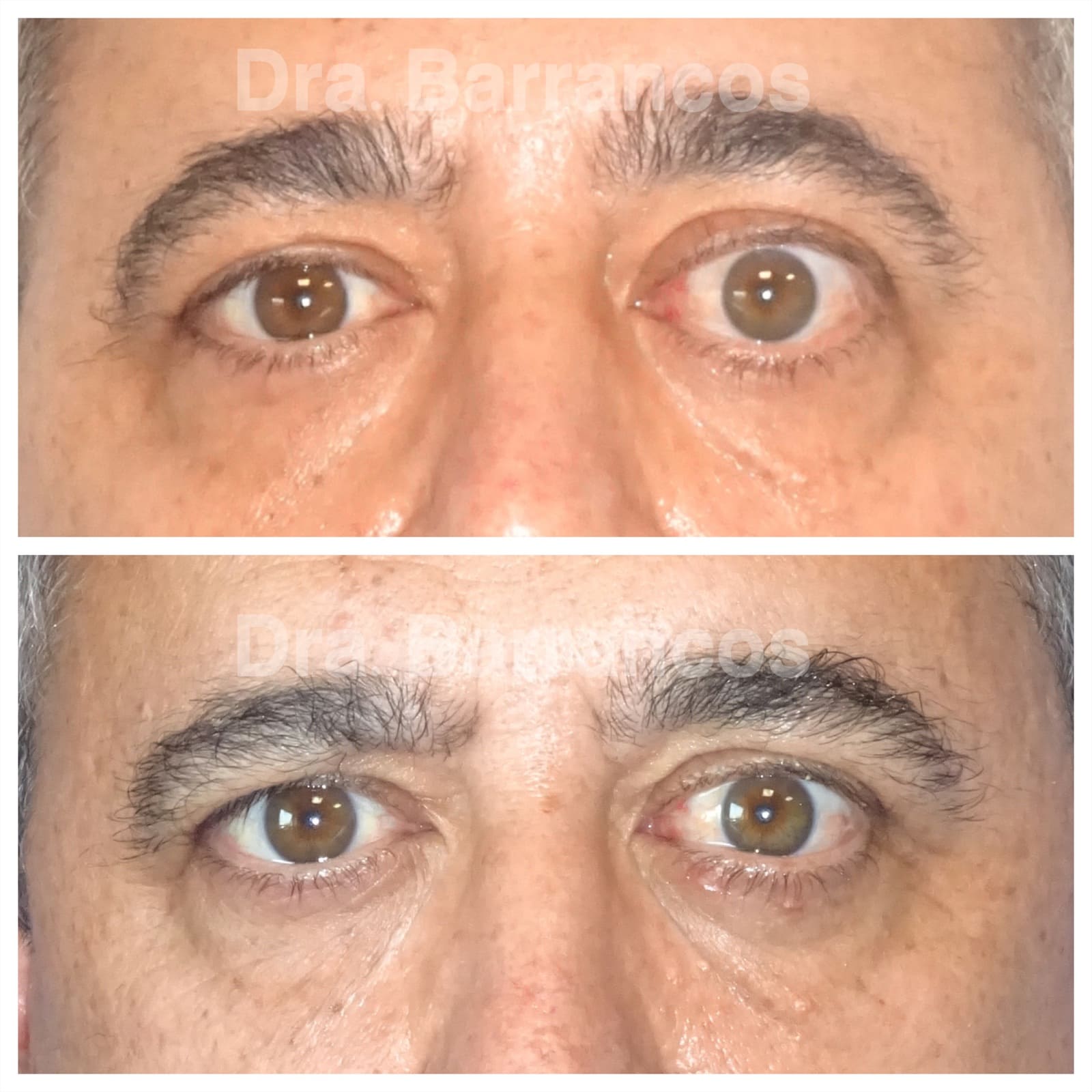
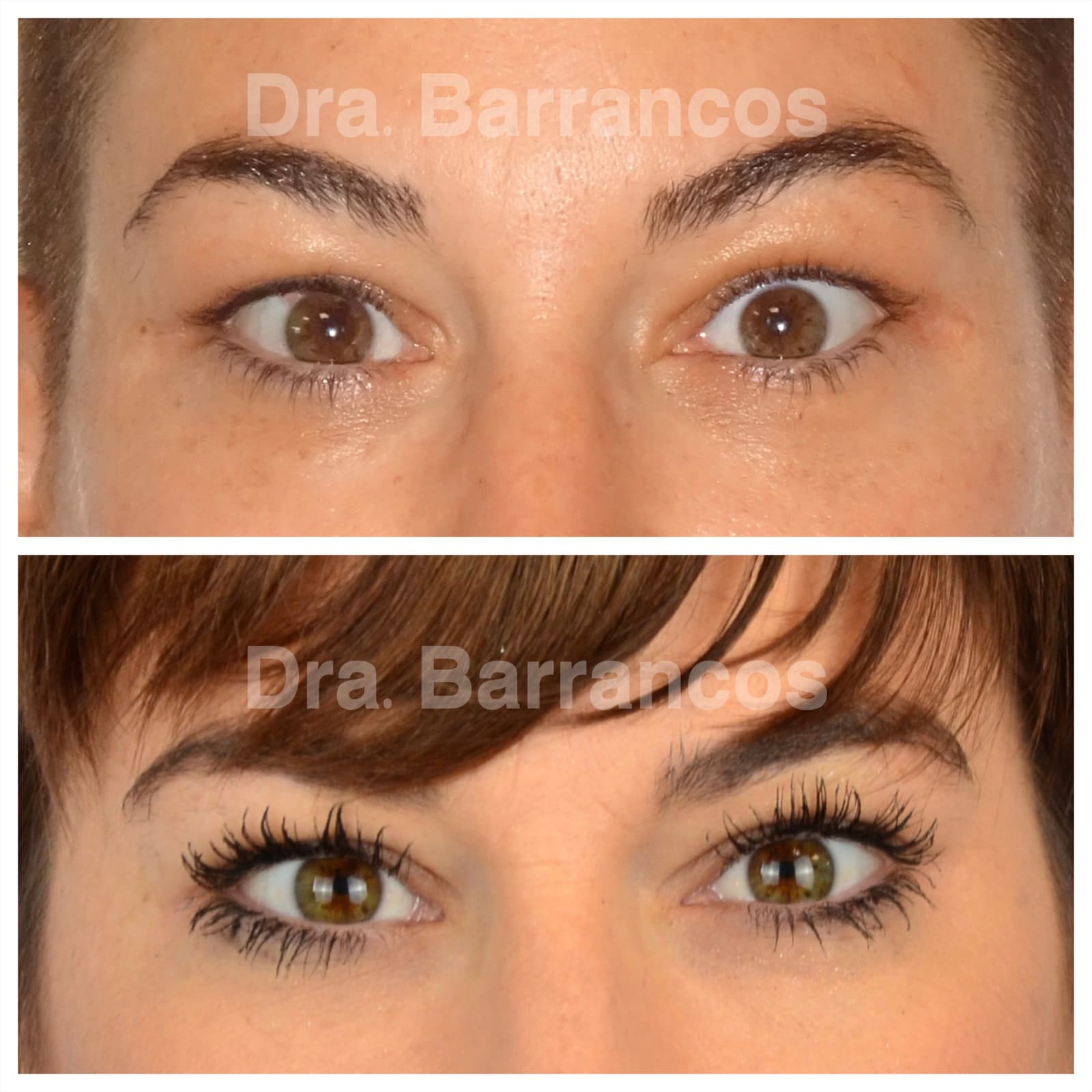
Correction of left upper eyelid retraction.
Correction of eyelid retraction in thyroid orbitopathy
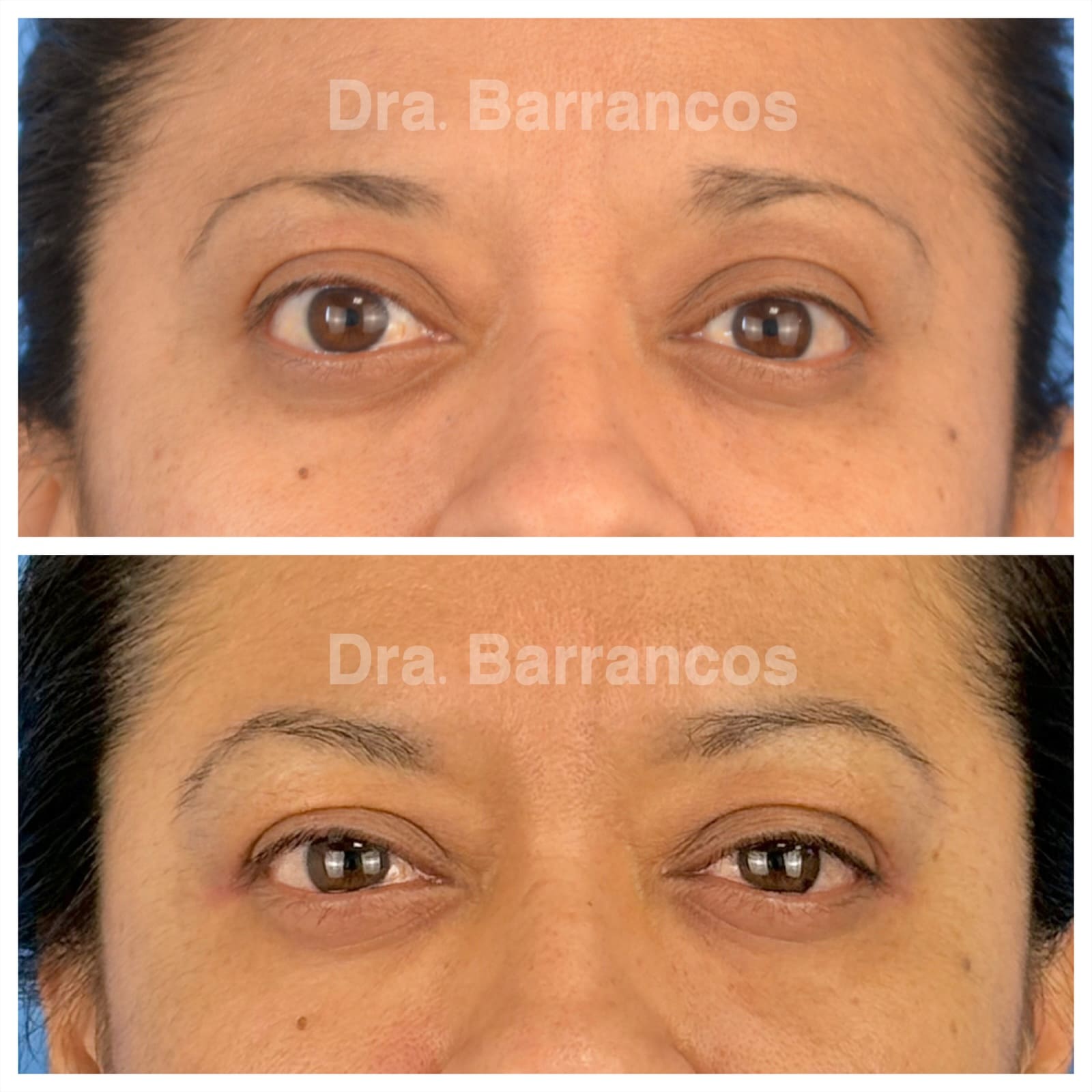
Correction of lower eyelid retraction with palatal graft
Correction of lower eyelid retraction
Orbital decompression and eyelid surgery
Orbital decompression and eyelid surgery
Orbital decompression and eyelid surgery
Orbital decompression and eyelid surgery
Orbital decompression and eyelid surgery
Orbital decompression and eyelid surgery
Orbital decompression and eyelid surgery
Orbital decompression and eyelid surgery
Orbital decompression and eyelid surgery
Orbital decompression and eyelid surgery
Orbital decompression and eyelid surgery
Orbital decompression and eyelid surgery
Orbital decompression and eyelid surgery
Orbital decompression and eyelid surgery
Orbital decompression and eyelid surgery
Orbital decompression and eyelid surgery
Orbital decompression and eyelid surgery
Orbital decompression and eyelid surgery
Orbital decompression and eyelid surgery
Orbital decompression and eyelid surgery
Orbital decompression
Orbital decompression
Orbital decompression
Orbital decompression
Orbital decompression
Orbital decompression
Orbital decompression
Orbital decompression
If you would like to see more results and videos of the process, follow me on Instagram
Lateral decompression is performed through a natural eyelid fold; medial and inferior decompression is performed internally. Minimal or no external scars.